The Army’s Command Assessment Program and Its Controversial Fate
The U.S. Army’s Command Assessment Program (CAP) was a unique initiative designed to identify and select officers for critical command positions through a rigorous process that combined physical, mental, and performance-based evaluations. However, the program faced significant scrutiny and ultimately was disbanded, sparking debate over its effectiveness and fairness.
According to internal data reviewed by USA TODAY, the CAP program disproportionately selected white men for command roles compared to women and minority officers. This outcome raised questions about whether the program, which was intended to reduce bias, actually did so. The program’s “double-blind” method, which concealed candidates’ identities from evaluation panels, was meant to ensure impartiality. Despite this, white men had the highest pass rate, while women and minority officers were more likely to be deemed “not yet certified for command.”
A New Approach to Leadership Selection
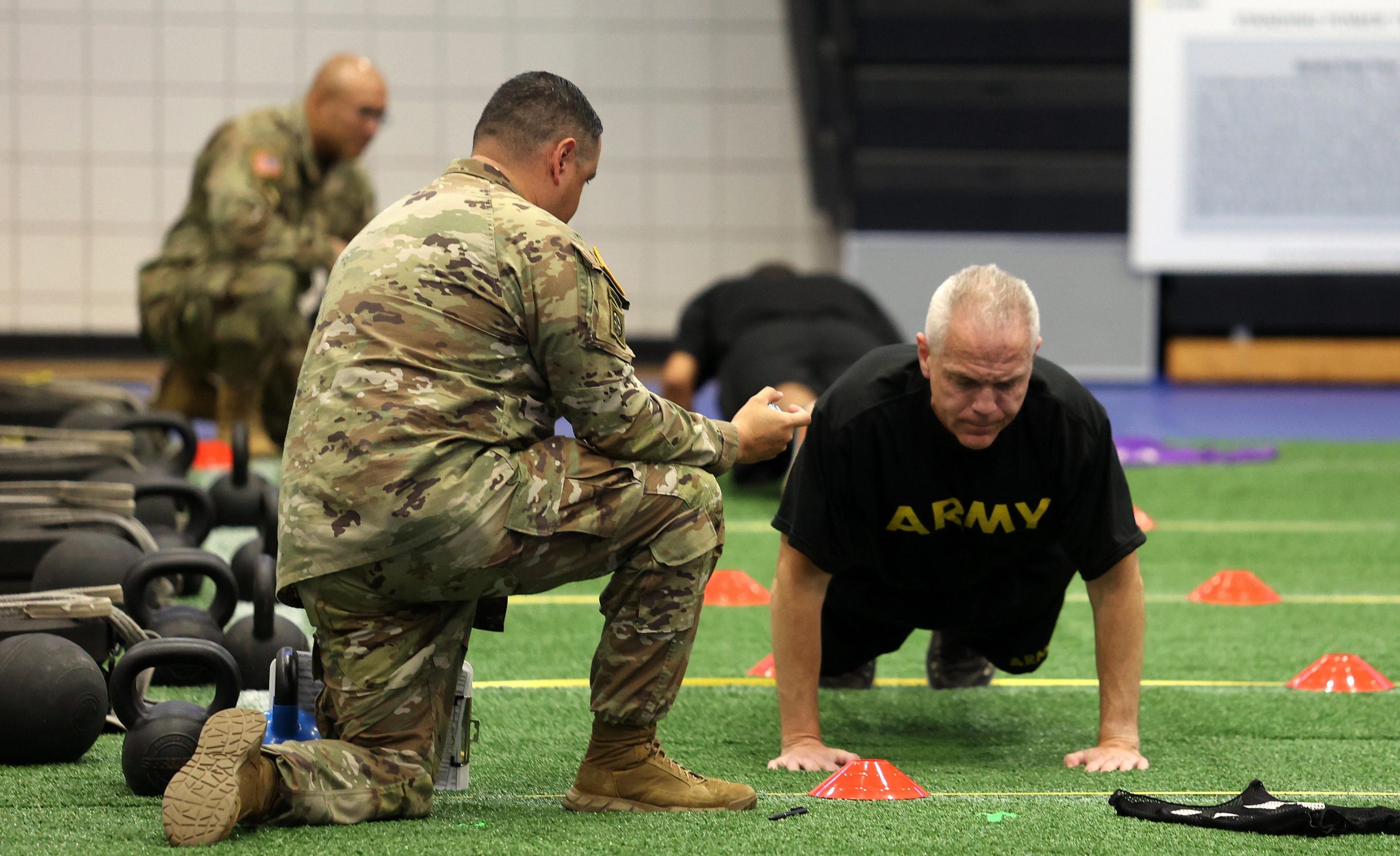
CAP was developed as an alternative to the Army’s traditional paper-based selection system, which relied heavily on subjective evaluations of personnel files. The program was modeled after the NFL Combine, where aspiring commanders underwent fitness tests, psychological assessments, and interviews with senior officers. Their performance in these evaluations was used alongside their military records to determine their readiness for command.
This approach was seen as a modernization of the Army’s leadership selection process, especially when it was introduced during the Trump administration. At the time, Army leaders praised CAP for moving away from outdated methods that often took weeks to assign key positions, such as commanding a Ranger Regiment, while making rapid, less thorough decisions for battalion commands.
Resistance to Change and a Failed Attempt at Interference
Despite its promise, CAP faced challenges from within the military. In early 2024, then-Gen. Charles Hamilton attempted to influence the selection process for his former subordinate, a Black female officer. According to an inspector general’s report, Hamilton manipulated her performance records by falsifying evaluations and awarding her multiple prestigious honors to improve her chances of being selected for command.
In a traditional paper-based review, her file appeared strong, earning 63 out of 66 points. However, under CAP’s evaluation, she scored in the first percentile, meaning she performed worse than 99% of participants. The interview panel unanimously concluded she was not ready for command due to poor psychological assessments and low leadership skills. Despite this, Hamilton tried to pressure the CAP team to reconsider its decision. When a second panel also ruled against her, he eventually bypassed the program and secured a policy exemption for her to be placed on the command list.
This incident led to Hamilton’s investigation and eventual dismissal from the Army, as well as the removal of the officer from the battalion command list. The controversy highlighted the potential for high-ranking officials to interfere in the selection process, even when a structured and objective system was in place.
The Decision to Disband CAP
Following the Hamilton affair, the program was made permanent under the Biden administration, with measures put in place to prevent future interference. However, the program’s fate changed when Secretary of War Pete Hegseth announced its cancellation. He described CAP as a “failed, woke experiment” and claimed it prioritized social trends over merit and performance.
Hegseth’s decision was supported by Pentagon Press Secretary Kingsley Wilson, who emphasized that promotions should be based on performance rather than “trendy social fads.” The Army has since reverted to its traditional paper-based model for selecting commanders, which critics argue is more subjective and prone to bias.
A New Leader for Military Promotions
As part of the broader effort to reform officer selection policies, Hegseth appointed Stuart Scheller to lead the review of promotion and selection processes. Scheller, a former Marine officer, gained attention for his outspoken views on accountability within the military, particularly during the 2021 Afghanistan withdrawal. His appointment sparked controversy, as he had previously been convicted of misconduct related to social media posts.
Despite claims that Scheller had no role in the decision to cancel CAP, his appointment raised concerns about the direction of military leadership reforms. He has expressed interest in increasing competition in leadership selection, but critics worry that his background may influence the outcome of the review.
Ongoing Debate Over Fairness and Merit
The debate over CAP reflects a larger conversation about how the military selects its leaders. Proponents of the program argued that it provided a more objective and comprehensive way to evaluate officers, while critics saw it as an unnecessary and biased system. With the program now dissolved, the Army faces the challenge of finding a new balance between fairness, efficiency, and the need for strong, capable leaders.