The Future of NYC Public Schools: A Test of Mayoral Power
New York City’s public school system is unique in the United States due to the mayor’s near-complete control over education. This means that the city’s chief executive has significant influence over everything from budget decisions to policy priorities. Unlike many other school districts, where local boards or elected officials play a major role, New York City’s schools are directly managed by the mayor and their appointed chancellor.
Zohran Mamdani, a prominent Democratic Socialist and current frontrunner in the November mayoral race, has pledged to change this dynamic. He has campaigned on ending mayoral control of the schools and giving more power to students, parents, and educators. However, he has not provided detailed plans on how this shift would occur. This lack of clarity has led to growing interest among progressive education advocates who want to ensure that the next mayor prioritizes community input in shaping the future of the city’s schools.
A Coalition Pushes for Change
A group of progressive education advocates, known as New Yorkers for Racially Just Public Schools, has released a comprehensive set of policy proposals aimed at making the school system more responsive to local communities. Their goal is to influence the next mayor’s education agenda, particularly if Mamdani wins the election.
One of their top priorities is rethinking the process for selecting the next schools chancellor. This role is one of the most powerful in the city, overseeing a $41 billion budget, managing 150,000 employees, and shaping policies that affect millions of students across the city. The selection of the chancellor is often the first major decision a new mayor makes, and it can serve as an early indicator of whether they will follow through on their promises.
Jonathan Collins, a professor at Columbia University Teachers College, emphasized the importance of the chancellor appointment. “In a system like New York’s, you are who you appoint,” he said. “The person chosen could signal whether the mayor is truly committed to reducing mayoral control.”
Proposals for a More Inclusive Process
The coalition’s policy blueprint calls for a more transparent and inclusive process for selecting the next chancellor. They suggest forming a search committee composed of students, parents, educators, and representatives from the City Council and the comptroller’s office. This committee would be responsible for vetting candidates and developing selection criteria.
Additionally, the proposal includes holding town hall meetings in each borough to gather public input on the qualities and priorities that the next chancellor should have. These meetings would allow community members to voice their concerns and shape the direction of the school system.
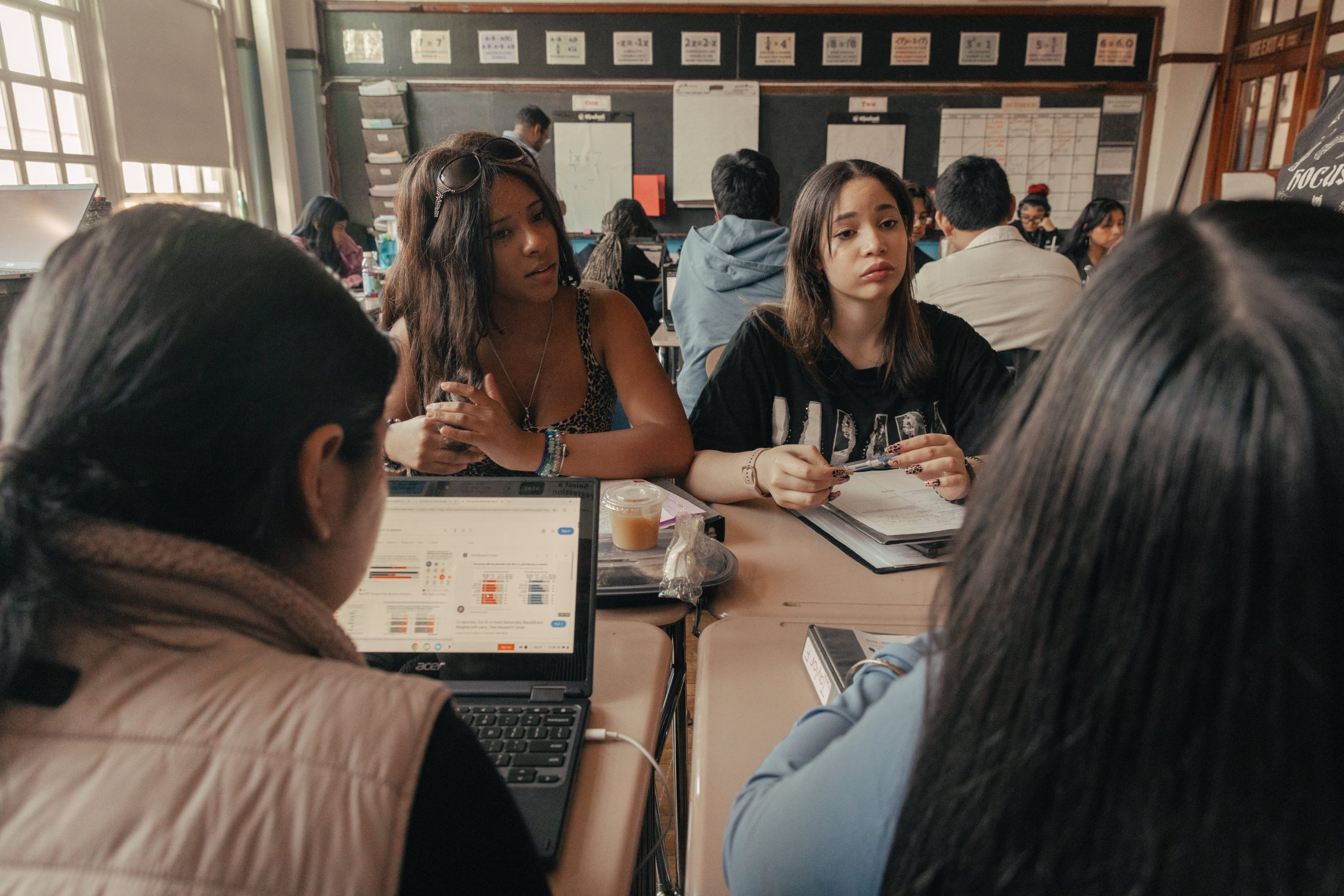
The report was based on feedback from over 1,200 community members, including Kassidy Khuu, a junior at Hunter College High School. She highlighted the issue of school segregation and the need for more diversity in her own school. “I think it’s really important to have input from the people who are being directly impacted,” she said.
Differing Views Among Candidates
While Mamdani has not outlined a clear vision for improving the city’s schools, his campaign has suggested that he will consult with groups that support him, including the teachers union. However, there is no indication yet that he will seek public input during the selection process.
Other mayoral candidates have also shared their views on the chancellor search. Andrew Cuomo, running as an independent, has expressed support for mayoral control but said he would welcome collaboration from all stakeholders. Mayor Eric Adams, who is seeking re-election, did not conduct wide searches for his two previous chancellors, instead appointing individuals with deep ties to the system.
Curtis Sliwa, the Republican nominee, has called for a more inclusive and transparent process that involves parents, students, and educators. Comptroller Brad Lander, a potential candidate for a high-level position if Mamdani wins, has also supported a more collaborative approach, including seeking “advice and consent” from the City Council.
Challenges and Opportunities
Ilona Nanay, a teacher involved in drafting the report, believes that making the chancellor search process more open could be a step toward reducing the mayor’s power over the system. While she acknowledges that the process can be time-consuming and complex, she argues that it leads to a more informed and cohesive system.
Mamdani has remained vague about who he might consider for the top education post, though several names have been mentioned in preliminary discussions. These include Meisha Porter, Rita Joseph, and Kamar Samuels, all of whom have strong ties to the city’s education system. Jamaal Bowman, a former member of Congress and vocal critic of standardized testing, has also been mentioned.
Despite the uncertainty, the debate over the chancellor selection process highlights a broader conversation about the future of New York City’s public schools. As the mayoral race continues, the choices made by the next mayor will have lasting implications for students, families, and educators across the city.