Philadelphia Organizations Unite to Defend Slavery Exhibits at Independence National Historical Park
A powerful coalition of preservation and historical organizations in the Philadelphia area has voiced strong opposition to potential alterations or removals of exhibits related to slavery at Independence National Historical Park. This united front, comprised of 45 organizations, has signed a letter addressed to the U.S. Secretary of the Interior, expressing deep concern over the possible sanitization of American history within the park’s boundaries.
The letter, a collaborative effort spearheaded by the Preservation Alliance for Greater Philadelphia, was delivered on Monday and highlights the importance of presenting a comprehensive and unvarnished account of American history, encompassing both its triumphs and its injustices. Prominent signatories include the Betsy Ross House, Greater Philadelphia Cultural Alliance, Pennsylvania Abolition Society, and Mother Bethel African Methodist Episcopal Church, demonstrating the breadth of concern across diverse institutions.
The communication also reached key political figures, including the Mayor of Philadelphia, U.S. Senators, and U.S. Representatives, ensuring that the issue receives attention at the highest levels of government.
A Call for Historical Accuracy
The core message of the letter underscores the critical distinction between history and mythology. It emphasizes that history, when rigorously researched and analyzed, reveals the full spectrum of the American experience, including both the nation’s ideals and its failures. The signatories argue that to eliminate or revise these historical truths, regardless of their uncomfortable nature, would be to deny the lived experiences of millions of Americans and perpetuate the harmful effects of ignorance.
The letter states: “History is not mythology…It does not present or reinforce false narratives. When researched and analyzed with depth and scholarship, history captures the complete record of idealism and injustice, progress and regression in our shared journey toward a more perfect union…To eliminate or revise ‘these truths,’ glorious or not, is to deny the lived experiences of millions of Americans and perpetuate the harms of ignorance.”
Exhibits at Risk
The fate of the slavery exhibits at Independence National Historical Park remains uncertain. Despite the approaching deadline, the National Park Service has not yet communicated whether any changes or removals will be required. The exhibits under scrutiny are located at several key sites within the park, including the President’s House Site, the Benjamin Franklin Museum, and Independence Hall.
These organizations contend that any attempts to alter historical sites would “undermine the integrity of public memory.”
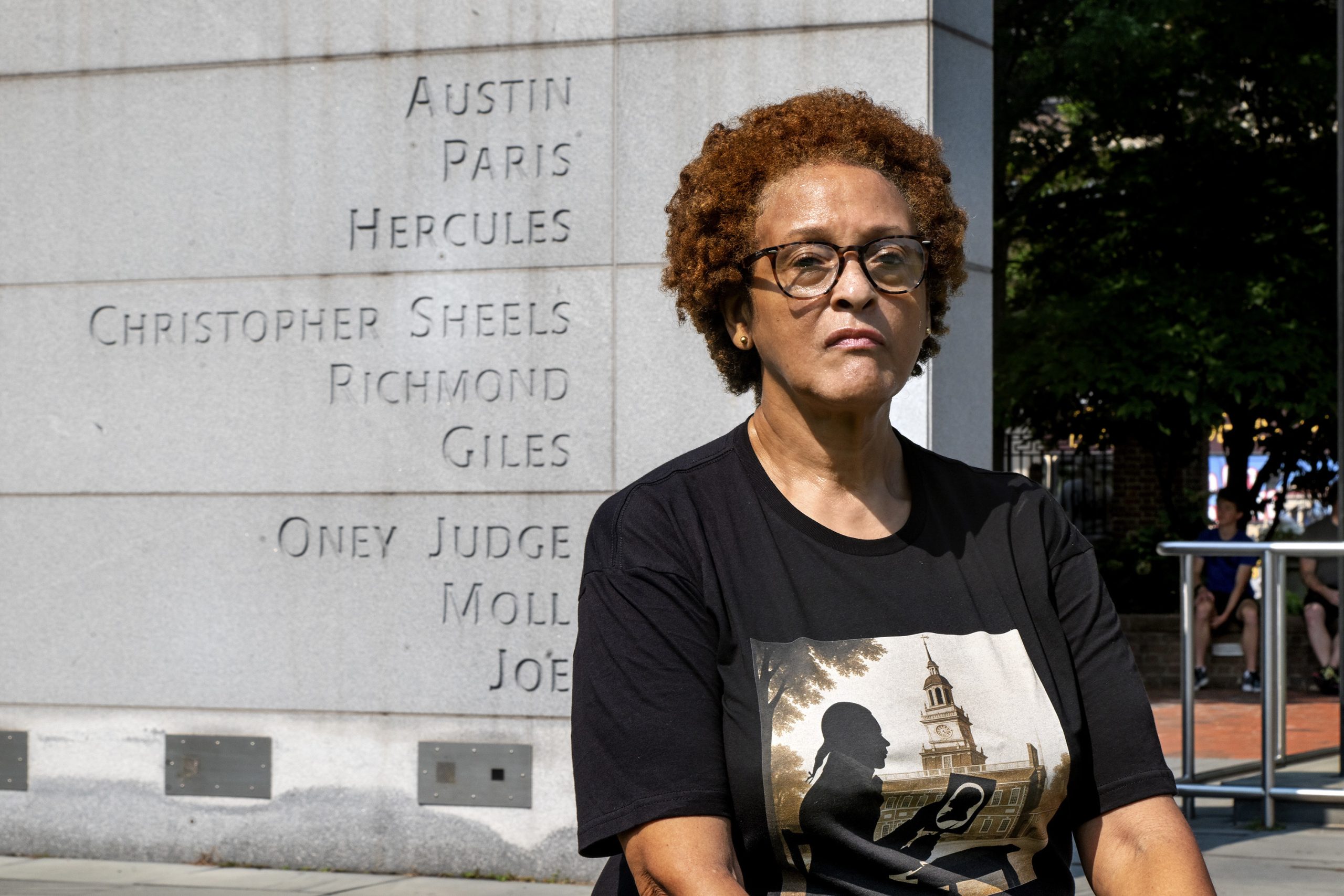
A significant portion of the at-risk exhibits are located at the President’s House Site, which commemorates the nine enslaved individuals who lived and worked in the household of President George Washington during his presidency. This site serves as a poignant reminder of the inherent contradiction between the ideals of liberty and the reality of slavery during the nation’s founding.
The coalition asserts that any removal or replacement of these exhibits would be “ahistorical and un-American.”
The Impending 250th Anniversary
The timing of this controversy is particularly sensitive, as Philadelphia and the nation prepare to celebrate the 250th anniversary of the United States. While other iconic sites in Philadelphia, such as the Betsy Ross House, are not subject to the same oversight as they are not managed by the National Park Service, the potential alteration of exhibits at Independence National Historical Park raises concerns about the message that will be conveyed to the expected influx of tourists in 2026.
Avenging the Ancestors Coalition (ATAC) Takes the Lead
The Avenging the Ancestors Coalition (ATAC), a Black-led advocacy group, has been at the forefront of the effort to protect these vital historical displays, especially at the President’s House Site. ATAC played a crucial role in shaping the site’s creation over two decades ago, ensuring that the stories of the nine enslaved individuals were central to the narrative.
The group has organized rallies and public town halls to galvanize public opposition to any attempts to rewrite history.
Roz McPherson, the original project director of the President’s House Site and a key leader within the ATAC coalition, emphasized the importance of having the support of the letter’s signatories during this critical moment.
“These are all folks who are committed to American history, especially as we prepare for 2026 and beyond,” McPherson stated.
Calls for Local Leaders to Speak Out
Some signatories of the letter are also urging local elected officials to publicly address the issue and defend the integrity of the historical sites.
Sam Katz, executive producer of History Making Productions, emphasized that officials “should be entirely resistant to any attempts to rewrite history.”
Faye Anderson, a preservationist whose organization, All That Philly Jazz, also signed the letter, argued that local leaders have a particular responsibility to respond, given their involvement in the development of the President’s House Site in the early 2000s.
Preserving History Through Digital Archives
In anticipation of potential removals or edits, Philadelphians have been actively working to archive the exhibits at Independence National Historical Park. Faye Anderson is utilizing artificial intelligence to create a digital archive of the President’s House Site, ensuring that the historical information remains accessible regardless of any physical changes. Furthermore, the architecture firm responsible for designing the President’s House Site has issued a statement, in conjunction with the Design Advocacy Group, opposing any alterations that would compromise the site’s integrity.
A Unified Front
The Preservation Alliance’s efforts to coordinate this statement are intended to ensure that the fight to protect these historical exhibits is not solely the responsibility of ATAC, but rather a broader community-wide effort.
Rev. Mark Tyler, historiographer at the African Methodist Episcopal Church, highlighted the significance of this collective action: “It also demonstrates that this is not just one particular group that’s saying the story is important…This is Philadelphia saying that this story is important.”