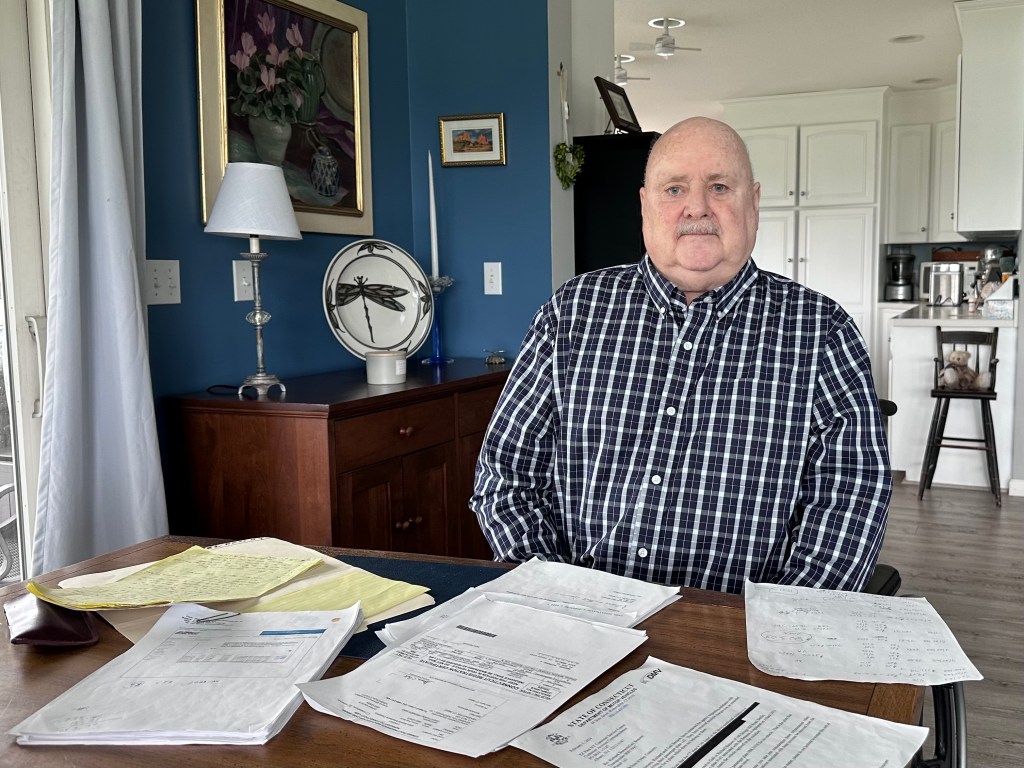
A pair from Berlin, Connecticut discovered they were incorrectly charged hundreds of dollars in tolls, which were actually meant for a state Representative who had the same license plate number.
WSHU’s Ebong Udoma spoke with CT Mirror’s Mark PazniokasTo talk about his article, “How a Berlin couple received charges for a CT legislator’s E-ZPass tolls,” as part of the collaborative podcast Long Story Short. Read Mark’s storyhere.
WSHU: Hello, Paz, this is an intriguing discovery you’ve made about the confusion surrounding the allocation of low-numbered license plates in Connecticut. These are meant to be special plates, so why do different individuals end up with the same number?
MP: Certainly, this is something I believe will astonish people: every state, including Connecticut, has various categories of motor vehicle license plates. Many states, though not all, and Connecticut among them, use the same numbers for different types of plates, which usually isn’t a significant issue. However, my story centers around the problems a couple faced when E-ZPass cameras mistook their plate for that of a legislator who had the same number.
WSHU: Can you share some information about the history of Dick and Gail Benson from Berlin and how they found themselves in this situation?
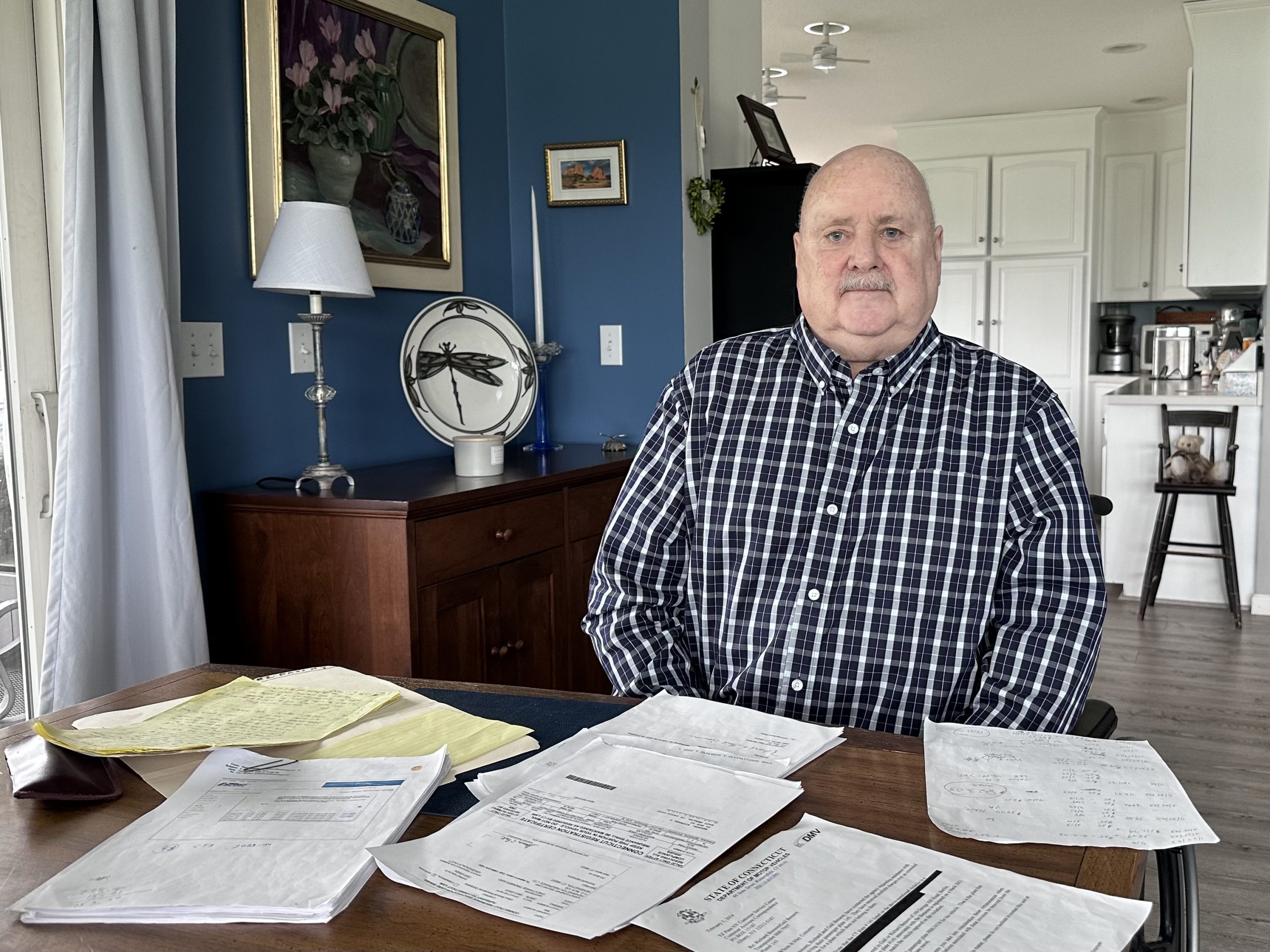
MP: There’s a notable irony here. The Bensons aren’t completely entertained by it, but they definitely recognize the humor. The situation is that Dick Benson served as an assistant to Governor Weicker and Senator Weicker for many years. In this role, one of his responsibilities near the end of the Weicker administration was to distribute these low-numbered license plates—numbers one, two, and three—which the political elite consider somewhat stylish. He was tasked with giving out the remaining ones. He was told to take one for himself and his wife. Dick Benson is a disabled Vietnam War veteran, and he chose the number three disabled veteran plate for himself, while giving his wife the plate numbered 145. Interestingly, 145 is the district number of a young state representative named Corey Paris from Stamford.
WSHU: Now let’s return to why state legislators receive low-numbered license plates—because of their districts, correct?
MP: Correct. These are district numbers, and the plates are easily distinguishable from a standard passenger plate by the naked eye. The plates feature two blue stripes and indicate “legislative plate.” Therefore, in most cases, there isn’t much confusion, although while I was covering this story, I did recommend to legislative officials that it might be beneficial for legislative plates to include, say, the letter H before the number if the individual is from the House.
WSHU: Now, Corey Paris, a state legislator from Stamford, shares the same number as Gail Benson, and he has been entering areas where his license plate number has been captured by E-ZPass cameras. What occurred after that?
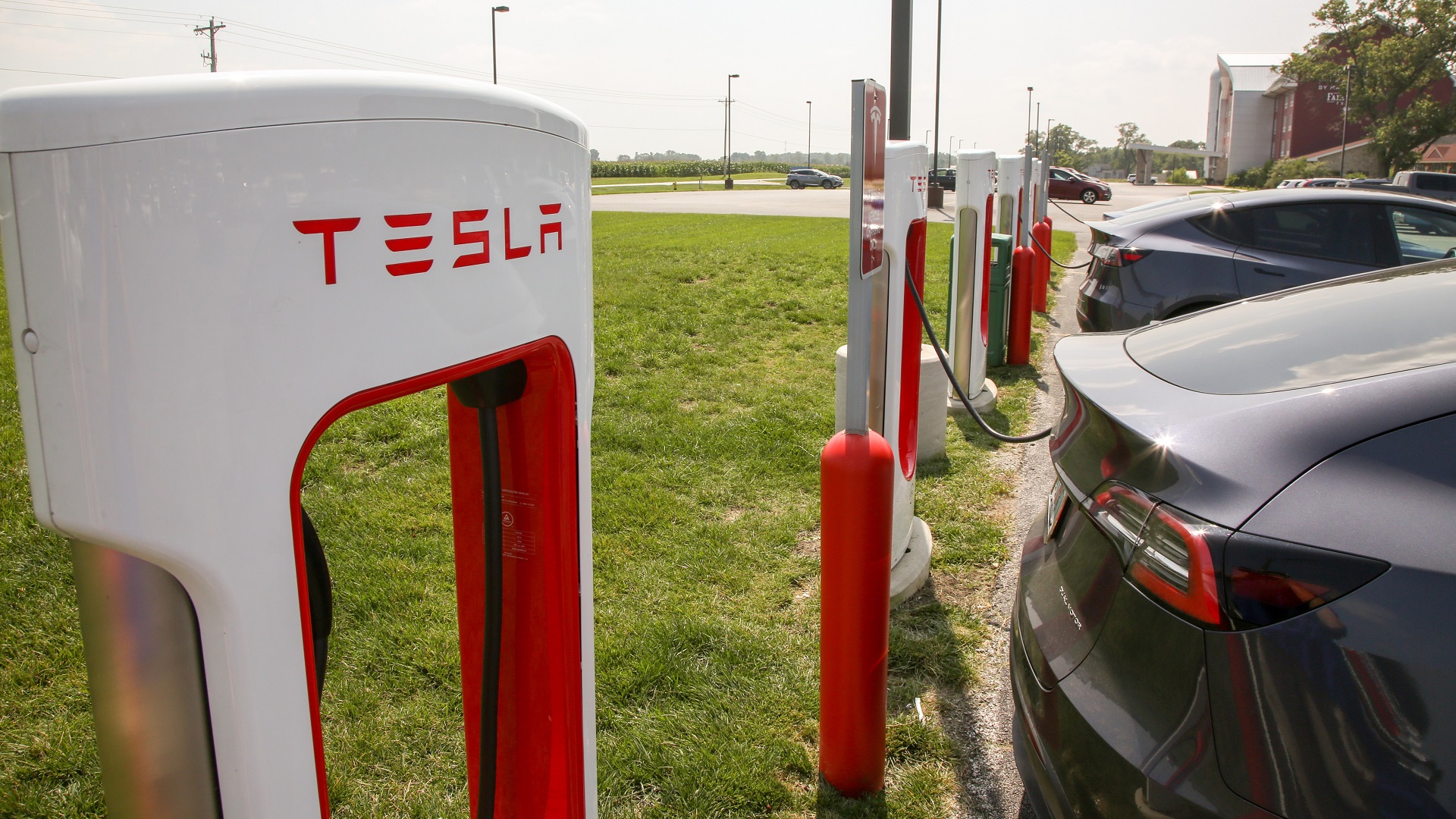
MP: One day in November at the end of 2023, Gail Benson received a notice about an unpaid parking ticket in West Hartford, which seemed strange to her since she hadn’t visited the area in a while. When she asked about it, and West Hartford officials reviewed the details, they discovered that the vehicle was not a Volvo, which is the car she owns. Instead, it was a Kia driven by Corey Paris. After checking with the Department of Motor Vehicles, the issue was resolved. It turned out to be Corey Paris’s car. Then, they decided to check their E-ZPass statement to ensure there were no other errors. They found hundreds of dollars in tolls that had been charged. Their E-ZPass account was set up for automatic payments. I don’t know about you, but I’m not always very attentive to bills that come in automatically. As a result, this situation continued for at least a year and a half.
WSHU: Wow.
MP: Yeah.
WSHU: It must have accumulated a significant amount.
MP: So what followed was that it became clear that E-ZPass is not the easiest organization to work with, and they eventually received some credits on their bills. Then, when I started asking questions, they also got a final check for an additional $240. Corey Paris claimed he wasn’t aware of this, as he had an old E-ZPass that he said had become inactive without his knowledge. He also wasn’t reviewing his statements, if he was even receiving them. Therefore, he had his own issues trying to figure out what he owed. In fact, at one point, E-ZPass was attempting to charge him for late payments on charges he had never received.
WSHU: You brought up the point that handling E-ZPass’s bureaucracy isn’t straightforward. Could you share more about your personal experience in trying to resolve this?
MP: Well, contacting E-ZPass customer service didn’t yield any results. I had more success with the MTA Bridge and Tunnel authority. They investigated the issue, but they wouldn’t let anyone speak to me to answer simple questions about whether there’s a written policy for dealing with such errors. You know, mistakes are bound to happen. There are billions of transactions. E-ZPass operates in 17 states. In New York alone, there are six different tolling authorities. So, you know, this kind of thing occurs, but it was really frustrating trying to get clear responses. At one point, when they told me they had checked their records and were sending a refund, they said, “so there’s no story here, right?”
WSHU: Interesting. What about the Connecticut Department of Motor Vehicles? Did you discuss this with them? What is their perspective?
MP: Well, you know, the Connecticut DMV, like all DMVs, is often criticized, but I have to say, in this story, the only bureaucracy that the Bensons and Corey Paris commended was the DMV, stating that they did what they could to resolve the issue. You know, they aren’t directly involved in this, as everyone is aware, Connecticut doesn’t have tolls, but there are interstate agreements where their records are accessible to E-ZPass, which is how E-ZPass can link a photo of a license plate to an address and send a bill by mail if you don’t have an E-ZPass transponder.
WSHU: So Paz, what’s the main point here? Will handling E-ZPass be any simpler in the future? Is there any sign that there could be a change in policy?
MP: No. I don’t see any chance of that. Considering their experience over the years with similar situations, I did come across other instances, isolated cases throughout the country, and there is a common pattern, which is that individuals usually received refunds once the media began investigating. You know, I don’t understand why this is so challenging for them now, partly because of the states using the same numbers for different categories of license plates.
WSHU: There are 10 instances of the number three in Connecticut.
MP: Yes, including a state representative, Minnie Gonzalez (D-Hartford). However, I spoke with her, and she mentioned that it’s amusing, as it seems to work for her. She doesn’t have a transponder. But she said, you know, just last week, she was on the Mass Pike and received a ticket by mail. So it appears it works sometimes. However, the DMV people told me that in their experience, there tends to be a tendency for the electronic license plate readers to assume they are passenger plates rather than other classifications. So when it comes to plate number three, you know, Dick Benson has a fire truck with number three. There is at least one legislator, although the state senator from the third district does not have legislative plates, and some legislators simply don’t bother because you need a regular registration. You get the legislative plate by paying an additional $14, and some people prefer having it on their car. I don’t know about you, but I prefer to remain anonymous.
WSHU: That’s why I wasn’t surprised that Senator Anwar chose not to have one. Thank you very much, Mark. I truly value it.
MP: Thank you.