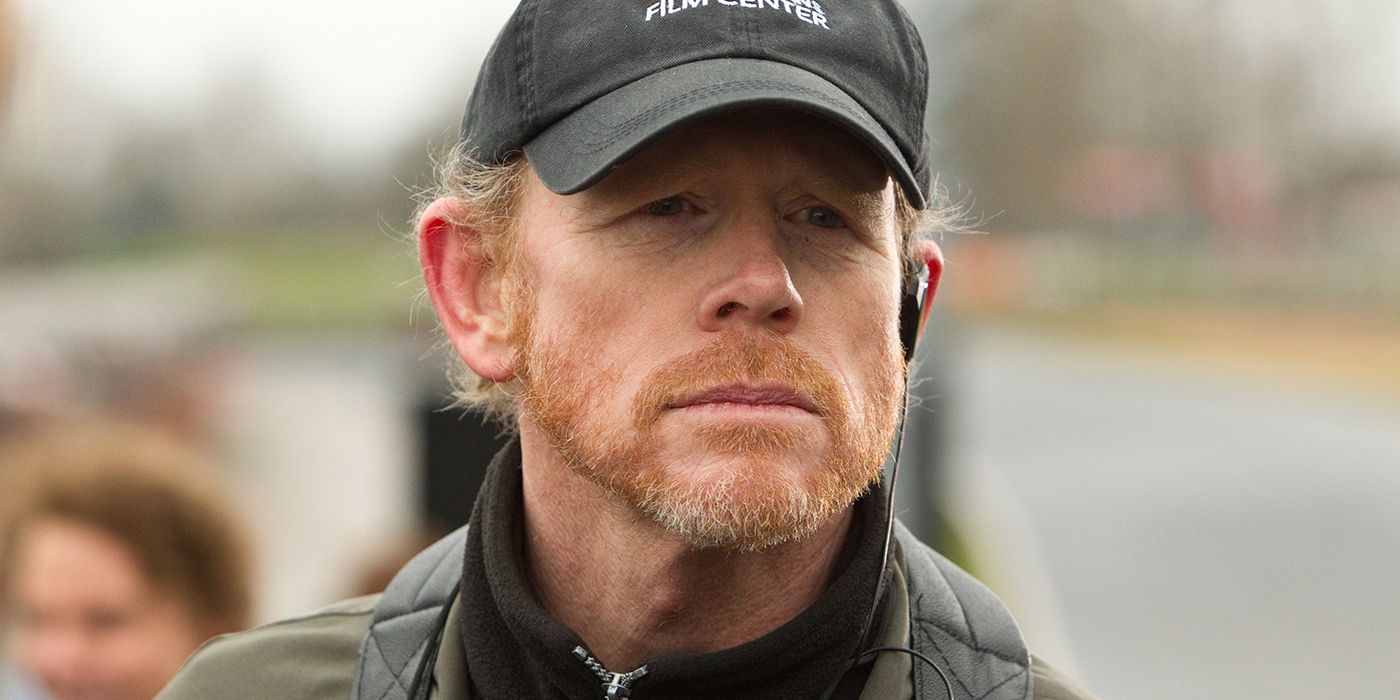
Ron Howard: From “Happy Days” Sweetheart to Comedic Force
While Ron Howard’s recent performance on “The Studio” has reminded audiences of his sharp comedic timing, his roots in humor run much deeper. Long before his self-deprecating turn on the Apple TV series, Howard was charming viewers with his portrayal of Richie Cunningham on the beloved sitcom “Happy Days.” This role cemented his image as a Hollywood “nice guy,” showcasing a different kind of comedy: the warm, relatable, and slightly awkward humor of a freckle-faced teenager navigating the trials and tribulations of adolescence.
Howard, already known for his childhood role on “The Andy Griffith Show” and later celebrated as an Oscar-winning director, demonstrated his versatility with “The Studio.” By playing a heightened, almost manic version of himself, Howard satirized his public persona, turning his gentle image into the punchline. However, for many, his funniest work remains his portrayal of Richie Cunningham in 1970s Milwaukee.
“Happy Days”: A Timeless Sitcom Anchored by Richie Cunningham
“Happy Days,” created by Garry Marshall, premiered in 1974 and ran for an impressive 11 seasons. The series transported audiences back to the 1950s and early 1960s, offering a nostalgic glimpse into a seemingly simpler era. The show centered around the Cunningham family – Howard, Marion, Joanie, and Richie – as they navigated the everyday challenges of life. A significant portion of the action unfolded at Arnold’s Drive-In, a popular hangout for Richie and his friends Ralph Malph and Potsie Weber, where they dreamed about dating, college, and their futures.
Although “Happy Days” was conceived as an ensemble show, Henry Winkler’s portrayal of Fonzie, the leather-clad greaser exuding effortless cool, quickly propelled him to stardom. While Fonzie undoubtedly captured the cultural zeitgeist, it was Howard’s Richie who provided the show’s anchor. Richie served as the relatable everyman, bridging the gap between Fonzie’s rebellious antics and the wholesome values of the Cunningham household.
Richie was the quintessential all-American teenager: earnest, optimistic, somewhat awkward, and perpetually caught between childhood and adulthood. Unlike Fonzie, who effortlessly navigated life with confidence, Richie often stumbled. His attempts to emulate Fonzie’s swagger, impress girls, or assert himself as more mature often resulted in nervous stammers and humorous missteps. This inherent awkwardness was precisely what made him so endearing and funny.
Howard’s natural and believable portrayal of Richie made the character relatable to viewers. He embodied the heart of the show – the good kid striving to do the right thing while grappling with the pressures of growing up. Richie grounded the series, reminding audiences that, beneath the comedic escapades and memorable catchphrases, “Happy Days” was ultimately about family, friendship, and the universal experience of coming of age.
The Heartbeat of “Happy Days”: Richie’s Relatable Struggles
Richie’s most humorous moments often stemmed from his attempts to be someone he wasn’t. Whether it was trying to sound tough to impress his friends, attempting a smooth move to charm a girl, or getting entangled in Ralph and Potsie’s misguided plans, Richie invariably found himself in over his head. Howard’s impeccable timing and ability to extract humor from awkwardness made these scenes particularly memorable.
Audiences connected with Richie because they recognized themselves in his introverted personality and the universal teenage desire to be cool, even when feeling like an outsider.
Beyond the laughs, Richie was fundamental to the identity of “Happy Days.” As the conventional character surrounded by more eccentric personalities, his reactions established the comedic rhythm of the series. When Fonzie performed a daring stunt or Ralph delivered a witty joke, it was Richie’s look of disbelief that amplified the humor. Richie also served as a narrative anchor, with storylines frequently revolving around his personal dilemmas, from navigating romance and school to making crucial decisions about his future.
When Howard eventually departed the show to pursue directing, Richie’s absence created a noticeable void, highlighting his significance to the series’ overall dynamic.
“The Studio”: A Playful Inversion of a Beloved Image
Howard’s performance on “The Studio” is particularly intriguing because it inverts his established sitcom persona. Instead of portraying the innocent and wholesome character he was known for, Howard embraces chaos, portraying himself as hilariously unhinged. It’s as if Howard is gleefully dismantling the very image he cultivated on “Happy Days,” adding an extra layer of comedic brilliance. This stark contrast underscores the breadth of Howard’s comedic range. While both roles showcase his talent, Richie Cunningham remains a shining example of Howard’s innate ability to find humor in simplicity.
“Happy Days” left an enduring legacy, spawning numerous spin-offs, including “Laverne & Shirley,” “Mork & Mindy,” and “Joanie Loves Chachi.” The sitcom’s characters, catchphrases, and overall style defined an era of American television. While the series is often remembered for Fonzie’s swagger, Richie served as the glue that held everything together. He provided the show with its emotional core and its most relatable moments of laughter.
Howard’s portrayal of Richie not only shaped the identity of “Happy Days” but also laid the groundwork for his subsequent career. His ability to embody sincerity, humor, and vulnerability on-screen translated into a directing style that emphasized character development and compelling storytelling. Without Richie, it’s difficult to imagine Howard becoming the accomplished filmmaker he is today. Looking back at Richie in light of Howard’s “The Studio” cameo is more than just nostalgia. Richie mattered because he represented every teenager trying to navigate the complexities of life, and in that role, Howard proved himself to be one of television’s most relatable comic actors.