Understanding the Confusion Around Left-Lane Driving in California
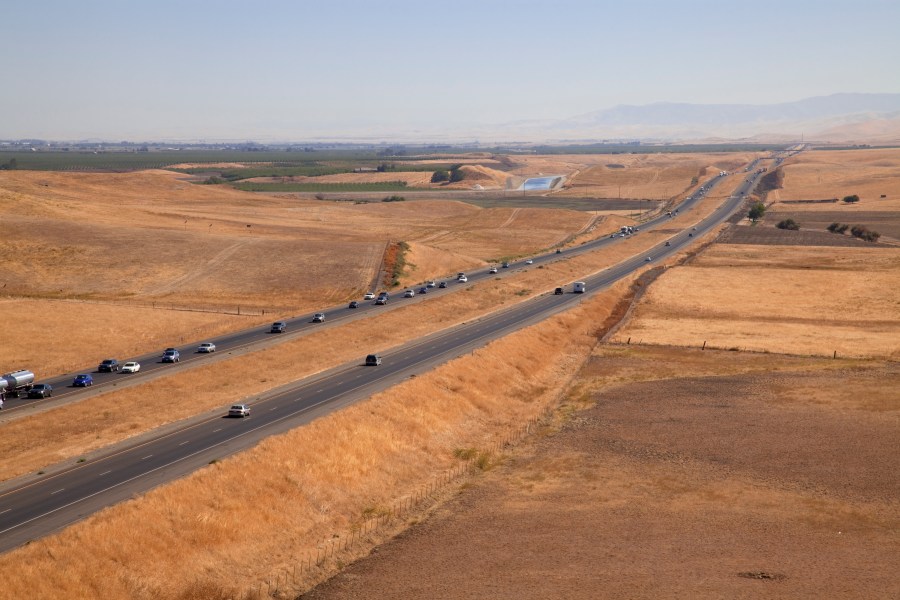
Driving on California’s highways can be a frustrating experience, especially for those who are used to more structured traffic rules. One of the most common complaints comes from drivers stuck in the left lane on the 5 Freeway through the Central Valley, where the road is often reduced to just two lanes in each direction. This situation can lead to long lines of vehicles with no open lane ahead, causing significant delays and frustration.
In some states, like Colorado and Illinois, there are clear rules about which lanes drivers should use. For example, in these states, drivers are not allowed to stay in the left lane unless they are making a left turn or passing another vehicle. The right lane is typically reserved for regular traffic, while the middle lane may be used when it’s open. However, in other states, such as Washington, Montana, and New Jersey, the rules are even stricter. Drivers are required to stay in the far-right lane at all times, except when passing or turning left. This means that even if a middle lane is available, it’s still considered a passing lane and not meant for regular driving.
California, however, has a different approach. While there isn’t a specific law that prohibits drivers from staying in the left lane, there are certain guidelines that apply. According to Hector Carias, a public information officer with the California Highway Patrol (CHP), drivers can technically use any lane as long as they aren’t breaking any laws. But this lack of clarity often leads to confusion and congestion.
The California Vehicle Code states that drivers should not impede the flow of traffic. However, defining what “impeding” means can be tricky. The code also mentions that drivers can remain in the left lane if they’re traveling within the “normal” flow of traffic. But “normal” doesn’t always equate to “legal,” and many drivers interpret the speed limit as a suggestion rather than a rule.
This can create tension on the roads, especially when faster-moving vehicles encounter slower ones in the left lane. Even if the slower vehicle is following the speed limit, it can cause frustration among other drivers who want to go faster. In such cases, the CHP emphasizes that the posted speed limit is the ultimate authority on the road. No driver is allowed to exceed the maximum speed limit, regardless of their intentions.
Semi-trucks add another layer of complexity to the issue. These large vehicles often travel at a slower speed, especially when carrying heavy loads. They are required to follow a lower speed limit—55 mph for trucks with three or more axles. When a semi-truck moves into the left lane to pass another truck, it can cause a backup of passenger vehicles that are simply following the rules of the road. This situation highlights the need for better coordination between different types of vehicles on the highway.
According to Carias, while it’s legal for passenger vehicles to use the left lane, it’s generally advisable to treat it as a passing lane. He notes that in other states and countries, the left lane is typically reserved for overtaking, which helps reduce congestion. Encouraging this behavior could potentially ease traffic flow in California as well.
Ultimately, the best way to prevent traffic buildup on California roads is for drivers to follow the speed limit and maintain appropriate distances between vehicles. If everyone could drive at the same speed and give others space, it would significantly improve traffic conditions. While this might seem unrealistic, even small changes—like passing on the left and then moving back to the right—can make a difference.
By understanding and respecting the rules of the road, drivers can contribute to a safer and more efficient driving experience for everyone.