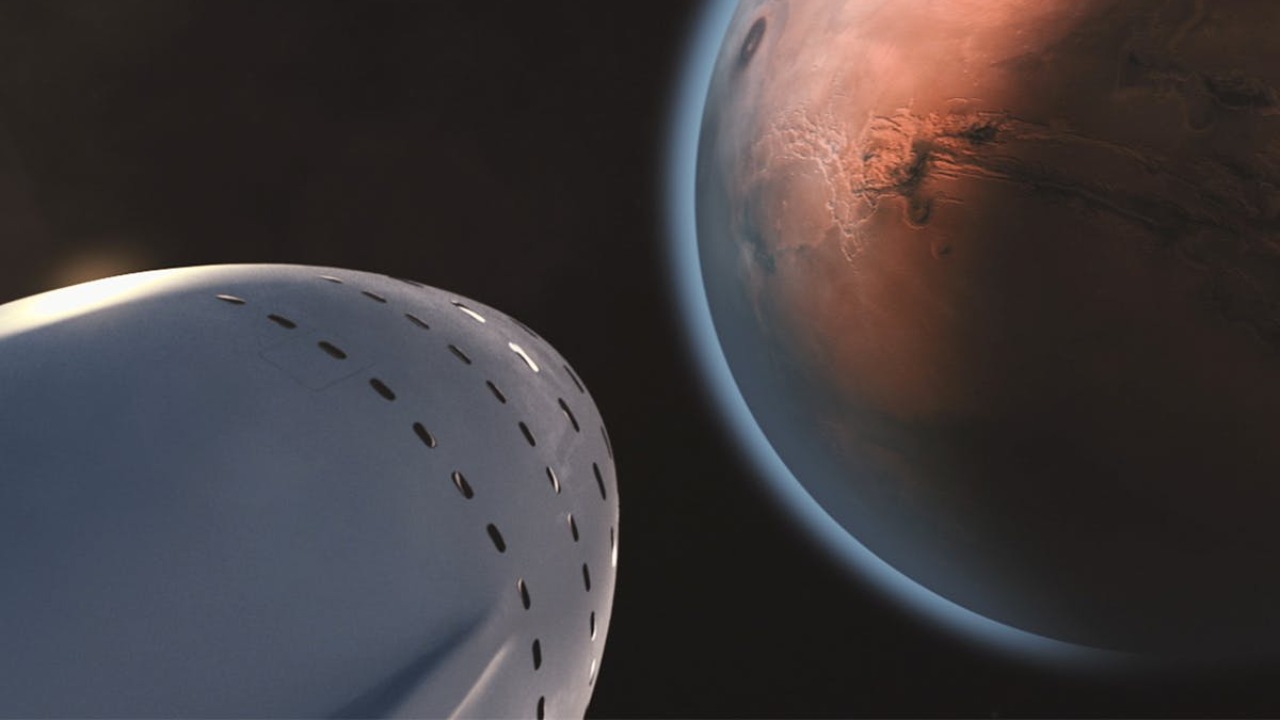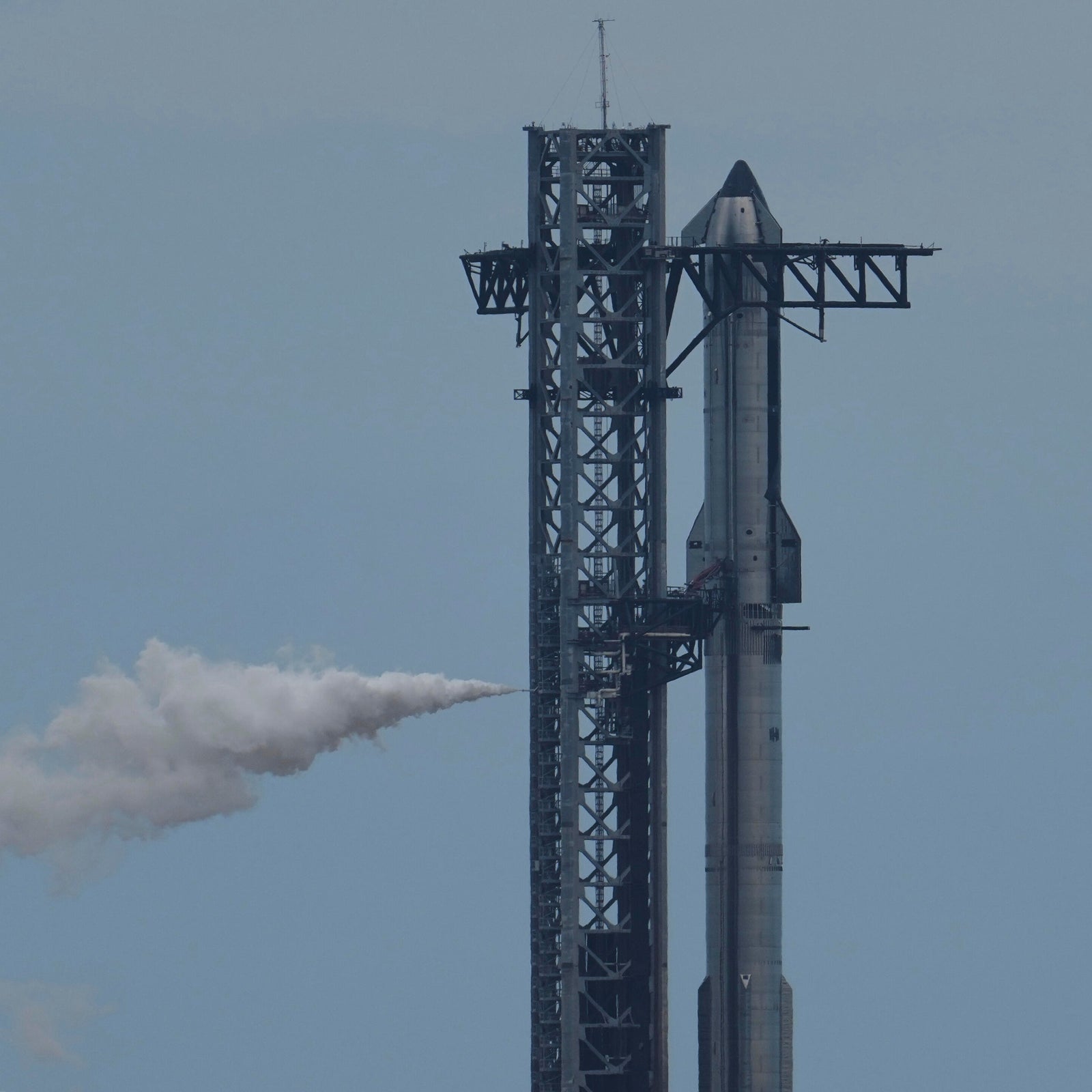
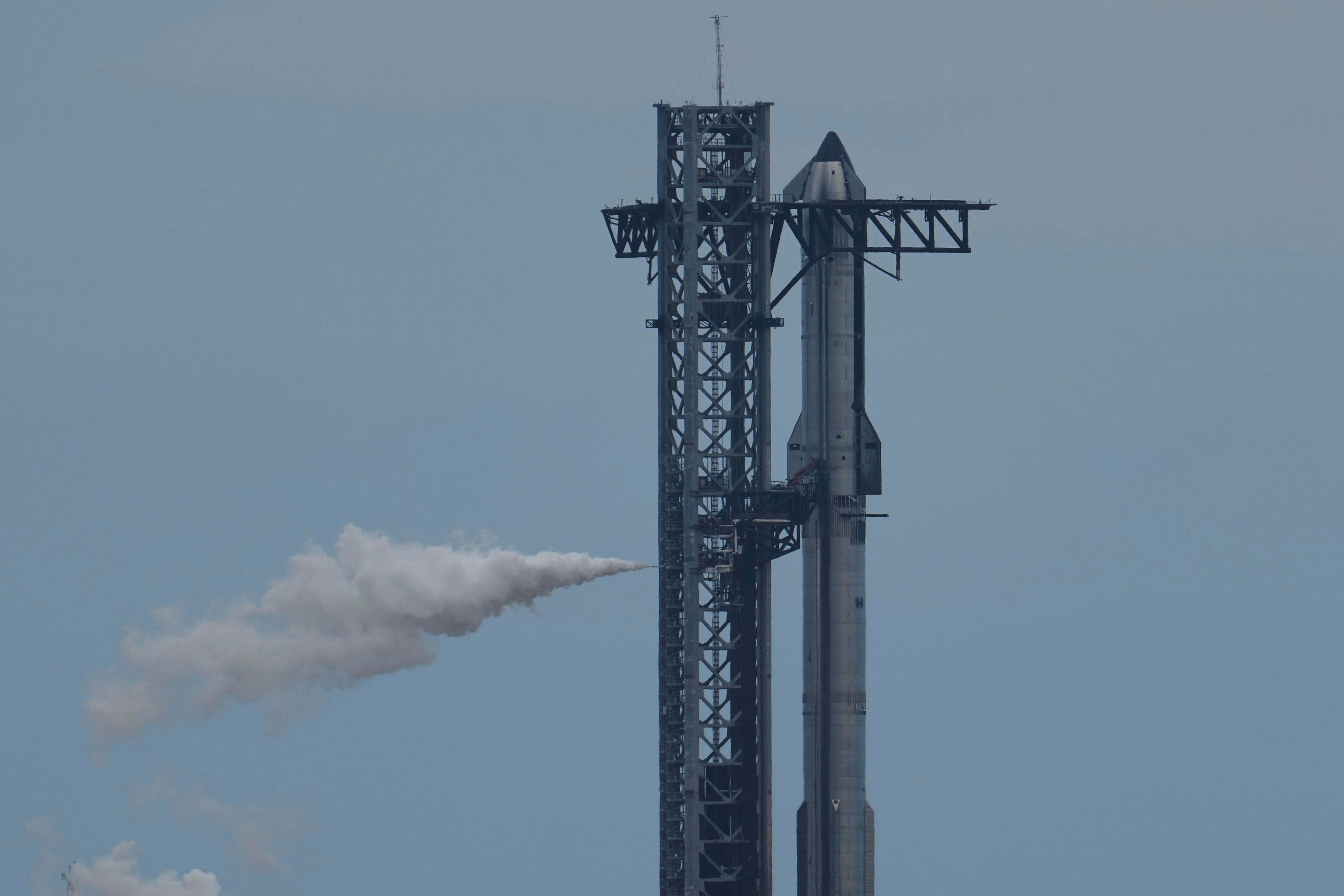
For the second consecutive time, SpaceX wasforced to call offa try to launch its massive Super Heavy-Starship rocket during the program’s 10th test flight, a significant mission aimed at showcasing improvements and modifications followingthree catastrophic failures earlier this year.
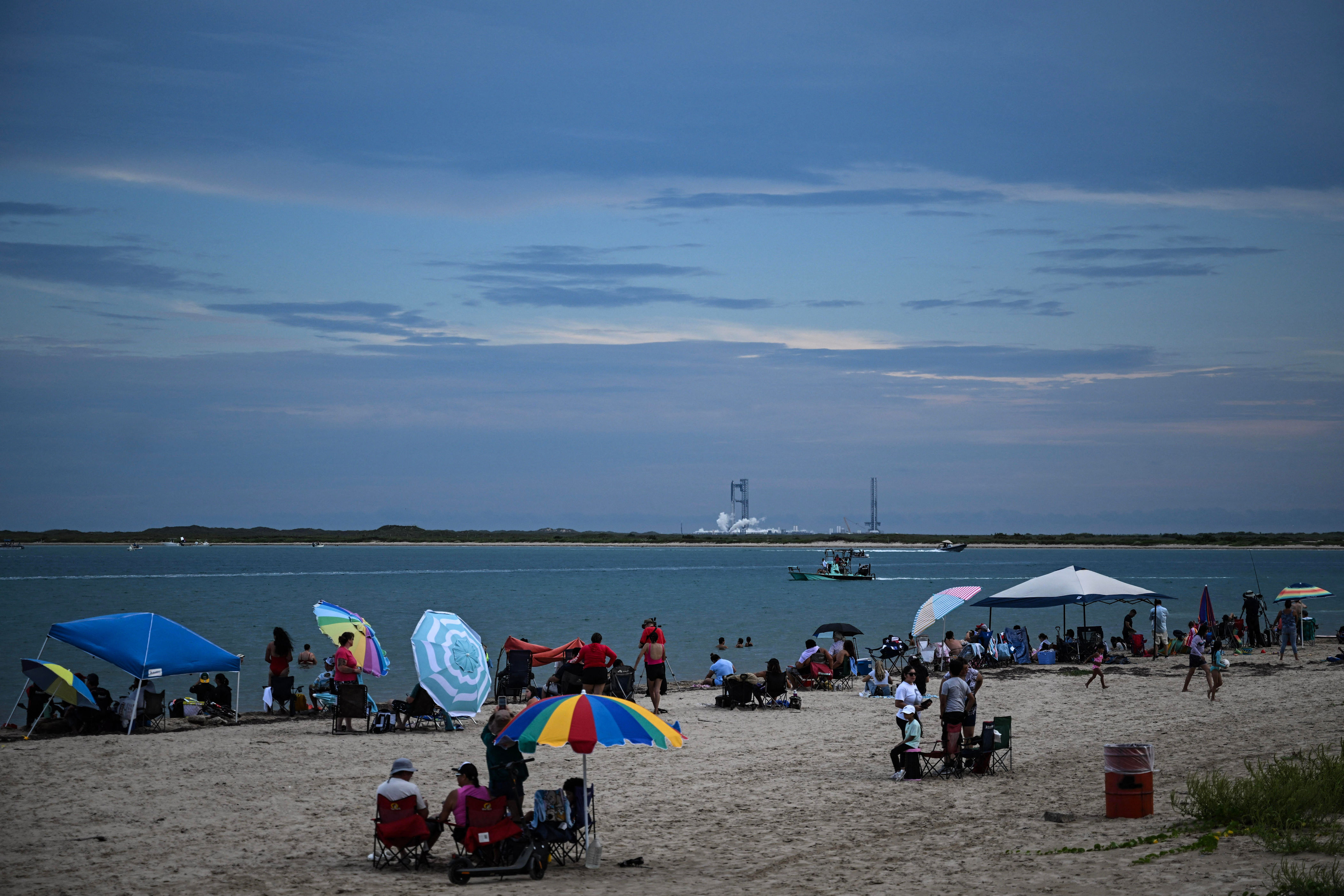
A planned launch on Sunday at SpaceX’s large Starbase facility along the Texas Gulf Coast was canceled due to an oxygen leak in a ground system. The scrub on Monday occurred with less than a minute remaining because of an electrically charged anvil cloud near the launch pad that failed to move out of the area in time.
The company states it will attempt for the third time on Tuesday night. The one-hour launch window opens at 7:30 p.m. ET.
Every time it launches, a successful flight will enable a quicker launch schedule as SpaceX prepares to test autonomous propellant transfers between Starships next year, which is necessary for a NASA moon landing as early as 2027 and future missions to Mars.
However, the company will need to launch 10 to 20 Super Heavy-boosters to provide fuel for a Starship lander intended for the moon.NASA’s Artemis program. Many analysts question whether the system will be refined in time for a 2027 landing and potentially not even before China conducts its own lunar mission by the end of the decade.
Before the Monday launch attempt, SpaceX founder Elon Musk acknowledged that “there are thousands of engineering challenges still to be addressed for both the ship and the booster.” He highlighted the importance of mastering orbital refueling.
No one has ever shown [cryogenic] fuel transfer in space,” he stated. “This will involve transferring fuel on a very large scale. However, with complete reusability and fuel transfer, these are the essential technologies required for establishing a city on Mars. And I am certain the SpaceX team will accomplish these objectives.
In the short term, SpaceX aims to resume operations of the Super Heavy-Starship following several consecutive setbacks.
The flight’s objectives include evaluating the Super Heavy first stage across multiple challenging flight scenarios, intentionally shutting off engines during descent to ensure it can manage real-world failures during an actual mission by splashing down in the Gulf.
Given the nature of the tests, SpaceX ruled out a dramatic return to the launch pad for a mid-air capture by giant mechanical arms on the support gantry.
Regarding the Starship, the flight plan involves sending the upper stage halfway around the globe on a suborbital path to a controlled reentry and splashdown in the Indian Ocean.
Throughout the journey, several challenges are scheduled, including the launch of eight Starlink simulation satellites and a space-based reactivation of a methane-powered Raptor engine. The heat shield tiles have been modified to assess their capacity to endure high temperatures during reentry.
Several improvements have been implemented to reduce the likelihood of propellant leaks, fires, and engine failures similar to those that caused the loss of the previous three Starships, none of which managed to finish their missions.
Transportation Secretary Sean Duffy, the acting head of NASA, is hopeful that SpaceX will resolve its issues in time for the agency’s scheduled lunar landing mission.
If you consider the company as a whole and its past performance, they frequently fall behind, but then unexpectedly make significant progress,” he mentioned during an interview with CBS News. “It would be difficult for me to claim they won’t achieve their objectives and meet the deadlines.
“Their leadership has expressed that they are very confident about being prepared for the mission. And so I will trust their statement,” he said.
CBS News spoke with several current and former NASA officials and contractor managers and engineers in recent weeks, all of whom agreed that a moon landing in 2027 could not be safely achieved with the existing plan. None of them expressed confidence that NASA could reach the moon before China without a significant shift in strategy.
I believe the people you’ve spoken with are correct. We won’t be sending a crewed Starship to the moon by 2030, under any situation,” said a senior engineer involved in the Artemis program. “That doesn’t imply they’ll never reach there. It doesn’t mean the plan isn’t feasible. However, it’s an enormous technical challenge to achieve within the limited time we have.
However, as Duffy noted, SpaceX has achieved an impressive track record with its partially reusable Falcon rocket series, launching them at a pace that is unmatched, enabling the company to quickly apply and test improvements and repairs.
As of Friday, SpaceX has launched 518 Falcon 9 rockets and 11 triple-core Falcon Heavy vehicles, experiencing only two in-flight failures. The company has managed to successfully recover first-stage boosters 490 times.
Due to its track record, many supporters trust SpaceX when it comes to the Super Heavy-Starship. However, this massive rocket is much larger than the Falcon 9, and the demands for a successful lunar landing are significantly greater than those encountered in a regular satellite launch.
“My worries relate to the complexity of the mission structure and the number of flights required to send one lander to the moon,” stated Douglas Cooke, a former 38-year NASA employee who currently offers advisory services to Boeing and other aerospace companies.
Entering the higher ranges,” he remarked, “lowers the chances of achieving success.
SpaceX did not provide a statement in response to the inquiry.