Portable generators are a versatile power source for emergencies, job sites, and recreational activities like camping. However, the noise they produce can be a significant drawback. Finding a generator that balances power with quiet operation can be a challenge. This guide reviews several top-selling generators, focusing on their noise levels, ease of use, and power output.
Quiet Generators: Top Picks
Here’s a look at some of the best quiet generators available, based on performance and features:
- Best Overall: Honda 2200-Watt Inverter Generator With CO-Minder
- Best Bang for the Buck: Pulsar 2200-Watt Dual-Fuel Quiet Inverter Generator
- Best for Camping: Westinghouse iGen4500 Quiet Inverter Generator
- Best Solar: Generac GB2000 Portable Power Station
- Best Bluetooth: Ryobi 2300-Watt Bluetooth Inverter Generator
- Most User-Friendly: Generac iQ3500 Portable Inverter Generator
Generator Reviews: A Closer Look
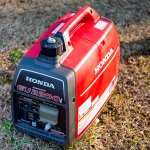
1. Honda 2200-Watt Inverter Generator With CO-Minder
- What We Like: Exceptionally quiet, lightweight and compact, reliable Honda engine, carbon monoxide detection with automatic shutoff.
- What We Don’t Like: Lacks USB ports, higher price for its power output.
- Specs: 2,200 peak watts, 1,800 running watts, 48 to 57 dB(A) noise level, gasoline fuel, two 125V-20A outlets, 47.4 pounds.
- Performance: This generator excels in portability, reliability, and quiet operation, making it suitable for tailgating, camping, and outdoor events. It powered a full-size refrigerator for 4 hours on half a tank of gas and consistently ran power tools on a job site. The Honda My Generator app allows for remote monitoring, and it’s parallel-ready for increased power. A carbon monoxide sensor ensures safety.
2. Pulsar 2200-Watt Dual-Fuel Quiet Inverter Generator
- What We Like: Lightweight, easy setup, runs on propane or gasoline.
- What We Don’t Like: Difficult-to-remove oil access panel, requires tipping for oil changes.
- Specs: Gasoline: 2,200 peak watts, 1,800 running watts; Propane: 2,000 peak watts, 1,600 running watts; approximately 60 dB noise level, two 120V-15A AC outlets, one USB-A port, 46.5 pounds.
- Performance: This generator is a cost-effective option for powering small tools and devices for up to 8 hours. It runs on either gasoline or propane. While the noise level was perceived as louder than the advertised 60 dB, it remains a good choice for light-duty tasks and powering appliances during outages.
3. Westinghouse iGen4500 Quiet Inverter Generator
- What We Like: Remote control, eco mode for energy saving, extendable handle and wheels for easy transport.
- What We Don’t Like: Gasoline-only operation.
- Specs: 4,500 peak watts, 3,700 running watts, 52 dB(A) noise level, gasoline fuel, one 120V-30A outlet, two 120V-20A outlets, two USB-A ports, 104.7 pounds.
- Performance: Ideal for camping and RV use, this generator boasts a long run time and a variety of power outlets. Its quiet operation is a significant advantage in noise-sensitive environments like RV parks. It effectively powers grinders, saws, and essential RV appliances while charging devices.
4. Generac GB2000 Portable Power Station
- What We Like: Charges via AC in 3 to 4 hours, sufficient power for tools and appliances, designed for emergency, off-grid, or recreational use.
- What We Don’t Like: Solar panels sold separately.
- Specs: 3,200 peak watts, 1,600 running watts, silent operation, AC or solar fuel, three 120V-13.3A AC outlets, one 12V DC port, two USB-A ports, two USB-C ports, wireless charging pad, 43 pounds.
- Performance: This solar-powered generator delivers clean and silent power, suitable for emergency backup, tailgating, and camping. It efficiently powers household appliances, electronic devices, and power tools. Charging time varies based on panel capacity and sunlight.
5. Ryobi 2300-Watt Bluetooth Inverter Generator
- What We Like: Easy assembly, Bluetooth monitoring, powers tools, small appliances, and digital devices.
- What We Don’t Like: Not suitable for high-wattage appliances.
- Specs: 2,300 peak watts, 1,800 running watts, 57 to 68 dB(A) noise level, gasoline fuel, two 120V-20A outlets, two USB-A ports, 52 pounds.
- Performance: The Ryobi generator offers convenient Bluetooth monitoring and performs well with work lights and various power tools. While not ideal for high-wattage tools, it is suitable for lower-power applications.
6. Generac iQ3500 Portable Inverter Generator
- What We Like: Electric start with pull-cord backup, eco mode for fuel economy, LCD screen displaying output, runtime, and fuel level.
- What We Don’t Like: Heavy and lacks wheels.
- Specs: 3,500 peak watts, 3,000 running watts, gasoline fuel, two 120V-20A AC outlets, one 120V-30A outlet, two USB-A ports, 109.1 pounds.
- Performance: This user-friendly generator features a push-button starter and an LCD screen for easy monitoring. It operates quietly and provides clean, consistent power for charging devices and running appliances.
Choosing the Right Quiet Generator: Key Considerations
When selecting a quiet generator, consider these factors:
- Power Output: Determine your wattage needs based on the devices and appliances you plan to power.
- Fuel Type and Capacity: Choose between gasoline, propane, or solar based on availability and convenience.
- Noise Level: Aim for a generator in the 50- to 60-decibel range for quiet operation.
- Size and Weight: Consider portability if you need to move the generator frequently.
- Additional Features: Look for features like load sharing, electric start, and multiple outlets for added convenience.
Understanding Generator Noise Levels
To put generator noise levels into perspective, here are some common sounds and their decibel levels:
- Ticking watch: 20 decibels
- Normal conversation: 60 decibels
- Hair dryer: 90 decibels
Inverter generators are generally quieter than traditional models due to their efficient motors, advanced mufflers, and adaptable power output. Solar generators offer silent operation, making them an excellent choice for noise-sensitive environments.
Generator Maintenance: Keeping Your Generator Running Smoothly
Regular maintenance is essential for prolonging the life of your generator. Key maintenance tasks include:
- Oil Changes: Change the oil after the first 20 hours of use and every 100 hours thereafter.
- Air Filter Cleaning: Clean the air filter every 100 hours of operation.
- Regular Operation: Run the generator for 20 to 30 minutes every 3 months.
Safe Generator Operation: Important Guidelines
- Always follow the manufacturer’s instructions for safe operation.
- Never run a generator in an enclosed space due to the risk of carbon monoxide poisoning.
- Avoid running a portable fuel-powered generator overnight unless someone is awake to monitor it.
- Keep flammable materials away from the generator to prevent fire hazards.