As women navigate the choppy waters of midlife, a growing number are finding themselves at a crossroads in their marriages. Dubbed the “menodivorce,” this phenomenon is seeing more women over 50 choosing to end their marriages as they experience the physical and emotional shifts of perimenopause and menopause. While overall divorce rates in the United States are declining, the numbers among older adults are climbing, with menopause playing a significant role in this trend. Here’s a closer look at why this is happening and how women are reclaiming their lives during this transformative phase.
Understanding the Menodivorce Trend
A Shift in Divorce Demographics
Divorce rates have been steadily dropping over the years, but for adults aged 50 and older, the opposite is true. According to a study from Bowling Green State University’s National Center for Family and Marriage Research, the share of divorces involving those over 50 has risen significantly. In 1990, about one in 10 divorces in the U.S. involved this age group; by 2019, that number had jumped to nearly one in four. This increase aligns closely with the age when most women experience perimenopause (the transitional phase before menopause) and menopause itself, typically starting around ages 40 to 50.
The Role of Menopause in Relationship Dynamics
Menopause and perimenopause bring a host of changes—hot flashes, mood swings, sleepless nights, and shifts in libido—that can strain even the strongest relationships. For many women, these physical symptoms are compounded by the emotional and psychological weight of midlife. With children often leaving the nest and careers peaking, women are reevaluating their priorities and, in some cases, their marriages. A 2022 UK survey by the Family Law Menopause Project and Newsom Health Research found that 70% of women attributed their marriage breakdown to the effects of perimenopause or menopause.
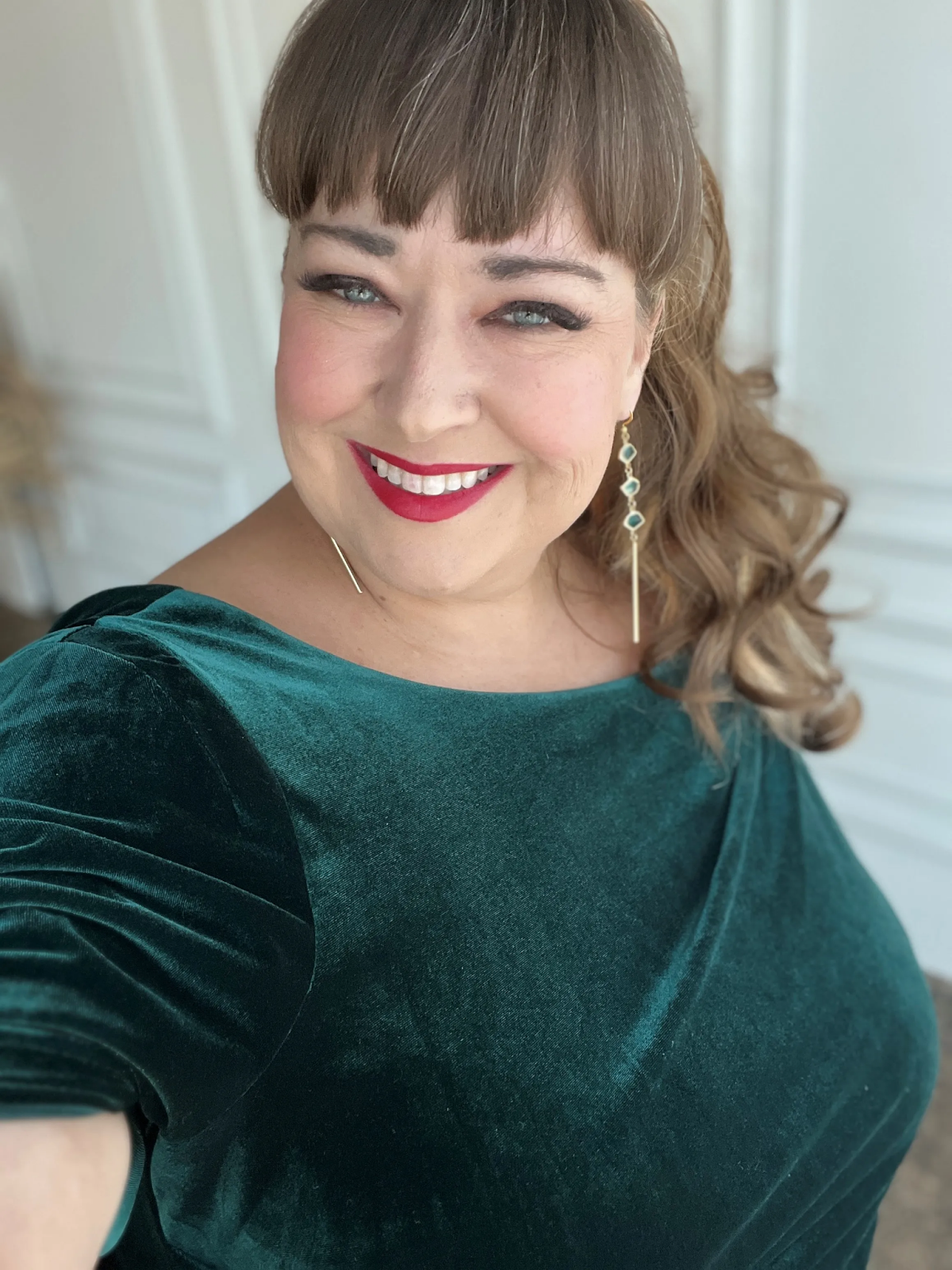
Melissa McClure, a 44-year-old photographer, is a case in point. After 14 years of marriage, she found herself increasingly irritated by her husband’s habits—his loud chewing, his negative attitude—and feeling unappreciated as a wife and stepmother. “It wasn’t a midlife crisis,” she says, “but an awakening.” Her experience echoes a common sentiment: menopause often brings a clarity that pushes women to prioritize their own needs over maintaining a relationship that no longer serves them.
Why Menopause Sparks Change
Hormonal Shifts and Emotional Clarity
Hormonal changes during perimenopause and menopause can significantly alter a woman’s emotional landscape. Dr. Sameena Rahman, an OB-GYN and menopause specialist in Chicago, explains that the decline in hormones like estrogen can reduce a woman’s tolerance for issues she once overlooked. “They might still love their husbands or partners, but they also hate them and no longer can put up with things they had been putting up with,” Rahman says. This newfound clarity often leads women to confront built-up resentment or dissatisfaction in their relationships.
Mandi Dixon, a Dallas-based therapist specializing in midlife women, notes that women often spend decades nurturing others—spouses, children, parents—at the expense of their own needs. “When those hormones start shifting, there’s a lot of built-up resentment,” she says. “Women have been busy taking care of everyone, and now they have to take care of themselves.” For many, this means walking away from marriages that no longer feel fulfilling.
The Weight of the Mental Load
Midlife is often a time of heightened stress for women. Beyond menopausal symptoms, they may be juggling demanding careers, caring for aging parents, or adjusting to an empty nest. The mental load—the invisible work of managing a household and family—can become overwhelming. As women navigate these pressures, many find they no longer have the energy or desire to maintain a relationship that feels one-sided or unfulfilling. Katy Viva, a 53-year-old Pittsburgh resident, ended her 24-year marriage after realizing she was “married to someone I don’t want to be married to anymore.” She attributes her decision partly to menopause, which left her unwilling to “put up with the bullshit anymore.”
Navigating Menopause and Relationships
Seeking Help Can Make a Difference
For some women, addressing menopausal symptoms can strengthen their relationships. Hormone therapy, for example, can alleviate symptoms like fatigue, irritability, and low libido, making it easier to navigate relationship challenges. Donna Hofmeister, 55, found that hormone therapy and open communication with her husband helped them weather the storm of perimenopause. “He’s a wonderful guy,” she says. “He wanted me to feel better but didn’t know what to do. Talking about it helped.”
The 2022 UK study found that women who received support or treatment for menopause symptoms often reported a positive impact on their relationships. Involving partners in the process—whether by bringing them to medical appointments or sharing resources—can foster understanding and collaboration. “If you want to stay in this, it’s not up to women to change everything,” says Alyx Coble-Frake, founder of The Agenda, an app for tracking menstrual cycles. “For men, it’s their job to step up and learn about this.”
The Power of Community
For women who choose divorce, finding a supportive community can be a lifeline. Melissa McClure credits her friends for helping her through her decision to end her marriage. “They know that asking for the divorce was hard,” she says. “But I’m happier than ever.” Sharing experiences with others going through similar transitions can provide validation and encouragement, whether through therapy, support groups, or casual conversations.
Challenging the Narrative
Moving Beyond Stereotypes
Historically, menopause has been unfairly blamed for making women “irritable” or “irrational,” a narrative often perpetuated by men. Coble-Frake pushes back against this, arguing that it’s not about women being “crazy” but about gaining clarity. “Women are gaining clarity in perimenopause, and that clarity tells them to leave if things aren’t good,” she says. This shift in perspective is empowering women to make decisions that align with their true desires, rather than societal expectations.
The Importance of Medical Support

Unfortunately, menopausal women are often misdiagnosed or undertreated. Some are prescribed antidepressants when hormone therapy might be more effective, as noted in a USA TODAY article highlighting the overuse of antidepressants during menopause. Seeking proper medical guidance is crucial. Annie Vovan, a former pharmacist and life coach, advises women to “push to make sure you are getting what you need” from healthcare providers, whether it’s hormone therapy or other treatments.
Embracing a New Chapter
The menodivorce trend reflects a broader cultural shift: women are increasingly prioritizing their own happiness and well-being in midlife. For some, this means leaving a marriage that no longer serves them; for others, it means working to strengthen their relationships through communication and treatment. Either way, menopause is proving to be a catalyst for change, empowering women to redefine their lives on their own terms.
As Katy Viva puts it, “Life is too long. Not too short. I’ve got time left in me, and I don’t want to spend it with someone that I don’t respect who doesn’t love me.” For many women, menopause isn’t just a biological transition—it’s a moment of awakening, a chance to reclaim their agency and chart a new path forward.