
The Fascination with Mass Shooters: A Dangerous Pattern
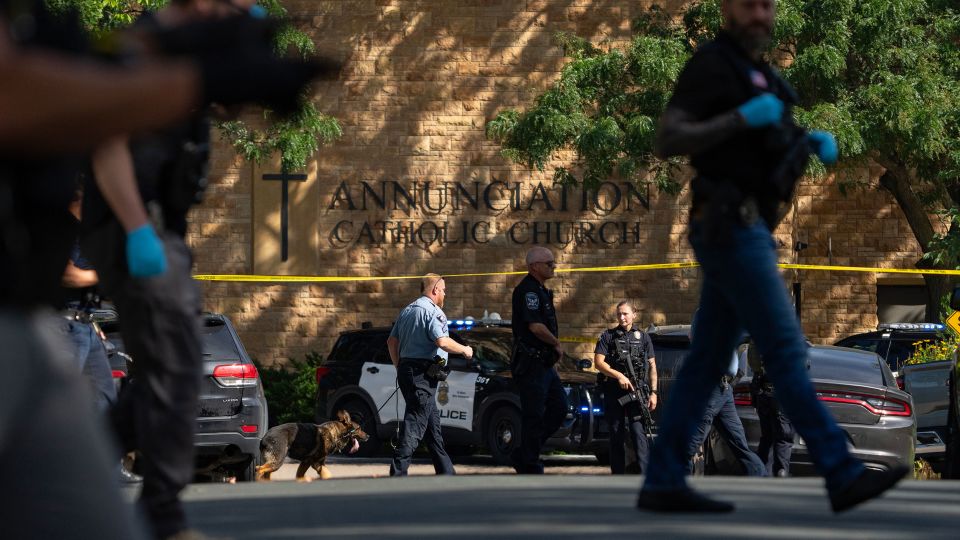
The Annunciation Catholic Church shooting, which occurred on August 27, resulted in the deaths of two children and left 21 others injured. In a journal found by investigators, the shooter expressed a “morbidly obsessed” fascination with mass shootings and listed the names of notorious killers such as the Unabomber, the Columbine attackers, and the Tree of Life synagogue shooter. This was not just an admiration but a deliberate effort to “honor past killers,” according to the writings.
Minneapolis Police Chief Brian O’Hara described the shooter’s fixation as a “deranged fascination with previous mass shootings.” He noted that this behavior is not unique to this case, as many mass shooters have shown similar patterns of obsession with other violent acts. Experts in the psychology of school shooters emphasize that this fixation often stems from a deep need for understanding, validation, and a sense of belonging.
Understanding the Psychology Behind the Obsession
According to Peter Langman, a psychologist who has written extensively about school shooters, individuals who are drawn to violence often seek out role models among past attackers. “They’re drawn to that,” he said. This behavior is not new; it has been observed in cases ranging from Columbine to Sandy Hook. Some shooters even form online communities where they discuss their admiration for these figures, creating a subculture that romanticizes their actions.
James Densley, a professor of criminology at Metro State University and co-founder of The Violence Prevention Project, highlighted that an unhealthy obsession with mass shooters is one of the most significant red flags. “People who want to go down this pathway go out of their way to learn about previous attackers, to find role models,” he explained.
Adam Lankford, a professor of criminology at the University of Alabama, has found in his research that copycat shooters often share similarities with their role models, including age, gender, race, and target demographics. This suggests that the psychological connection between these individuals is more than just superficial.
The Need for Belonging and Validation
Many shooters feel isolated and powerless, leading them to seek validation through violent acts. “These are people who feel powerless and insignificant, and they want to feel powerful and significant,” Langman said. For some, the desire for infamy becomes a driving force, as they hope to be remembered or recognized for their actions.
Lankford compared this fixation to “celebrity worship,” where individuals with personal issues develop an unhealthy attachment to certain figures. “It’s filling a void for them,” he said, noting that the same dynamic applies to those who become mass shooters.
Recognizing the Warning Signs
Experts advise parents, educators, and community members to be vigilant for signs of fascination with mass shooters or violent acts. “A healthy child should not be fascinated with these things,” Densley emphasized. However, identifying these signs can be challenging, especially when online discussions occur in unmoderated or anonymous spaces.
Parents are encouraged to monitor their children’s online activities and understand the platforms they use. “Educating parents, teachers, and community members about how the internet works is crucial,” Densley said. This includes being aware of online forums and social media groups that may promote or glorify violent behavior.
The Role of Media and Public Awareness
In recent years, there have been calls for news media to adopt “No Notoriety” guidelines, which discourage the glorification of mass shooters. While progress has been made, experts like Lankford argue that more needs to be done. The rise of social media and anonymous forums complicates efforts to limit the spread of harmful content.
Another critical factor is the concept of “leakage,” where potential shooters drop hints about their plans. These clues can appear in conversations, school assignments, or online interactions. Langman noted that the Annunciation shooter had previously written about “dropping warning signs” in their journal, suggesting that some level of leakage occurred before the attack.
Conclusion
The pattern of fascination with mass shooters is a troubling trend that requires attention from all sectors of society. By understanding the psychological motivations behind this behavior and recognizing the warning signs, communities can work together to prevent future tragedies. Education, awareness, and proactive monitoring are essential steps in addressing this complex issue.