A Witness with a Calm Mind and Sharp Eyes
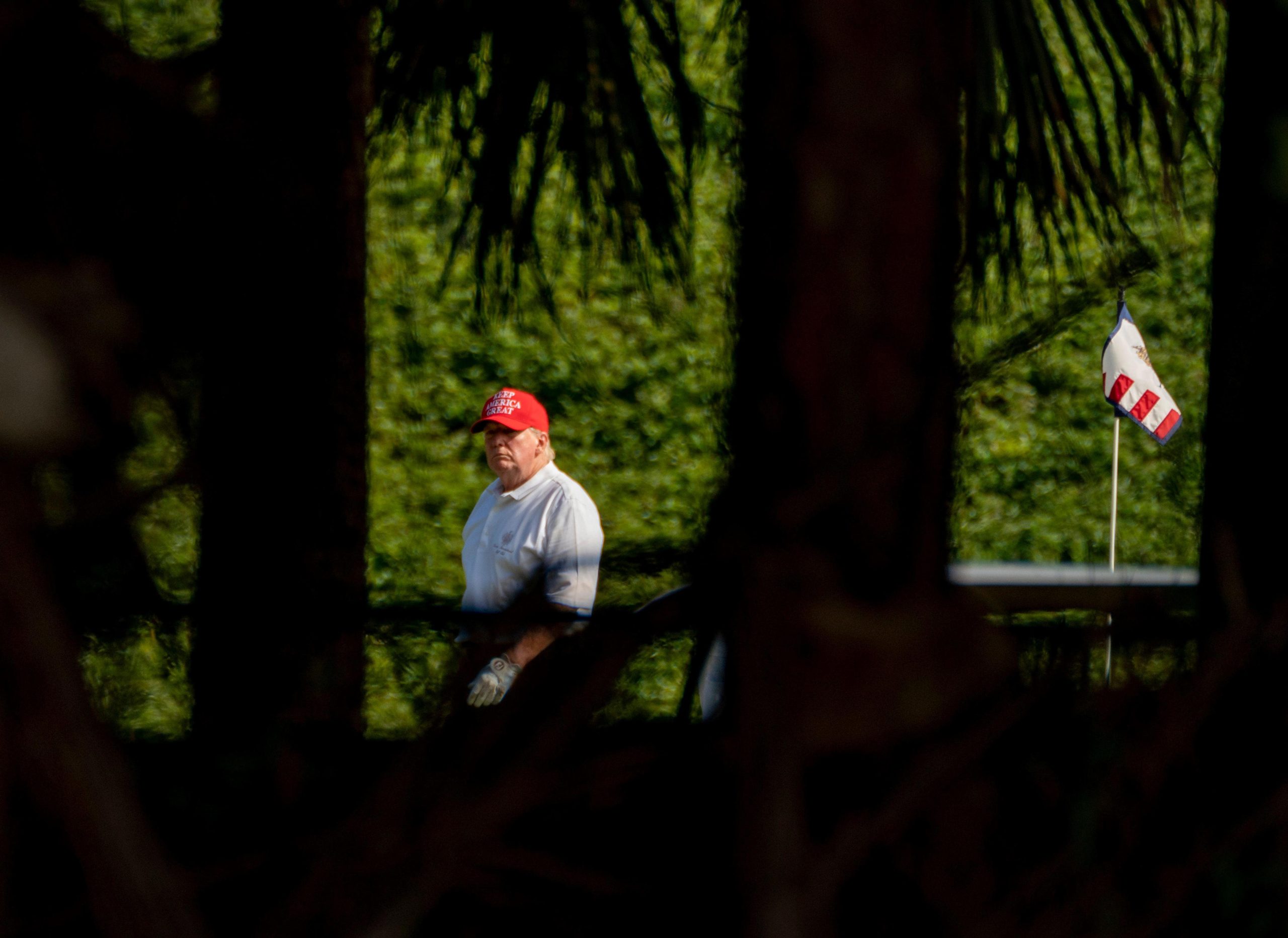
FORT PIERCE — In the trial of Ryan Routh, accused of attempting to assassinate former President Donald Trump, one witness stood out for his calmness and keen observations. Tommy McGee, a therapist from Palm Beach County, became an essential figure in the case after he witnessed the events unfold on September 15, 2024, at the Trump International Golf Club. His actions provided critical evidence that helped law enforcement identify and arrest Routh.
McGee was on his way to purchase furniture when he heard gunshots ringing out near the golf course. At the time, he had no idea that a U.S. Secret Service agent had just opened fire on Routh, who was allegedly planning to kill Trump during a round of golf. Growing up in a neighborhood where gun violence was common, McGee had seen many cases go unsolved due to witnesses’ reluctance to come forward. This experience likely played a role in his decision to act when he saw something unusual.
He turned his car around and returned to the scene. As he approached, he spotted Routh, a 59-year-old man from North Carolina, fleeing from the bushes surrounding the golf course. Routh appeared panicked and desperate, as if trying to escape from whatever he had just done. Their eyes met, and while Routh ran across the street toward his Nissan Xterra, McGee quickly reached for his phone. He wanted to take photos of Routh and the vehicle, but he couldn’t open the camera app fast enough.
Instead, he pulled into a driveway and took several pictures of the car and its license plate. However, he couldn’t get a clear shot of the plate as Routh backed up and drove away. Determined to help, McGee wrote down the license plate number multiple times on clean sheets of paper, keeping one for himself.
When asked by Assistant U.S. Attorney John Shipley if he often stopped to take down license plates, McGee responded, “No. I was trying to buy some furniture.” His answer surprised the court, but it also highlighted his genuine intent to assist.
As he returned to the golf course, he found the area swarming with law enforcement officers. They were not happy to see him, but McGee remained composed. He rolled down his window and asked an officer if they were investigating a shooting. When told they were, he offered to share what he had seen, including the license plate number and a description of the suspect.
Officers were initially skeptical, but they soon took his information seriously. McGee provided a detailed account of the man’s appearance, the car he drove, and the direction he fled. He handed over the notes he had written, including the original page with notes from a recent therapy session.
The next day, deputies informed McGee that Martin County deputies had stopped a person of interest along Interstate 95. They asked if he would be willing to fly to the location in a sheriff’s helicopter to confirm the identity. McGee agreed, though he still did not know that the incident involved a presidential assassination attempt or that Trump was the target.
On the helicopter ride, he saw a black Nissan Xterra and a tall, blonde man wearing a salmon-colored shirt. Deputies could not find the man’s ID, but an FBI agent used a biometrics device to identify him as Ryan Routh. McGee confirmed that the man matched his description. He was 99.9% certain.
During the trial, prosecutors asked McGee to identify Routh in court. He pointed to the defendant and described the gray suit jacket he was wearing. Routh, who was representing himself, attempted to cross-examine McGee. He asked whether McGee was a Trump supporter and if he thought Beyoncé and Michelle Obama would be upset.
U.S. District Judge Aileen Cannon instructed the jury to disregard the questions and reprimanded Routh. Afterward, Routh told McGee, “You’re the man,” before returning to his seat.
McGee’s calm demeanor and attention to detail made him a key witness in the case. His actions helped law enforcement track down Routh and brought crucial evidence to light.