
Understanding Ear Seeding and Its Growing Popularity
In today’s world, people are increasingly focused on self-care and wellness. From adopting healthier diets to exploring new ways to improve mental and physical health, the pursuit of well-being has become a central part of daily life. Social media plays a significant role in this shift, exposing individuals to global trends and practices that can enhance their quality of life. One such trend that has recently gained widespread attention is ear seeding. While it may seem like a modern innovation, it actually has deep roots in traditional healing practices.
What Exactly Is Ear Seeding?
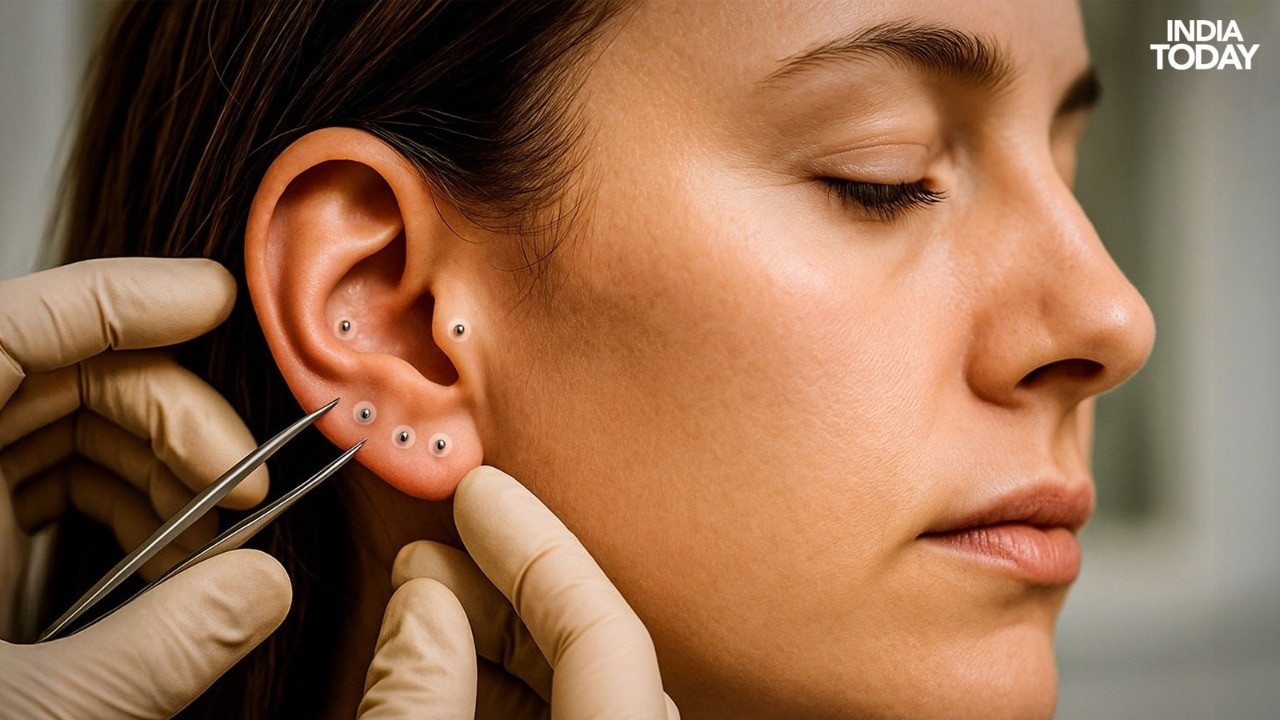
Ear seeding is a needle-free form of auricular acupuncture, which involves placing small seeds or beads on specific points of the ear. These points are believed to correspond to different parts of the body, acting as a kind of map for energy flow. The practice is often compared to reflexology, where stimulating these points can help promote healing and balance.
According to Dr. Jasmine Modi, a senior acupuncturist based in Mumbai, ear seeding uses seeds from the vaccaria plant or tiny beads that are taped to the ear. When pressed, these seeds stimulate the corresponding body areas, offering therapeutic benefits. This technique is not new; it has been used for centuries in traditional Chinese medicine (TCM), where the ear is viewed as a microcosm of the entire body.
Dr. Niharika Chugh, founder of Dr. Niharika Acupuncture Clinic in New Delhi, explains that auricular acupuncture focuses on stimulating specific ear points to encourage healing by improving the flow of energy to affected organs. The practice originated in China but was further developed by Paul Nogier in France, who conducted extensive research on its applications.
Why Is Ear Seeding Becoming Popular?
There are several reasons why ear seeding is gaining traction among wellness enthusiasts:
- Non-invasive: Unlike traditional acupuncture, ear seeding does not involve needles, making it more appealing to those who are hesitant about medical procedures.
- Stylish: Many modern kits feature decorative designs, turning the practice into a fashion statement.
- Accessible: Easy-to-use home kits allow individuals to try the practice without visiting a clinic.
- Holistic appeal: It aligns with the growing interest in natural and integrative health approaches.
Dr. Chugh notes that ear seeding has become a popular wellness trend due to its quick results, lack of side effects, and minimal reliance on medication.
Benefits of Ear Seeding
Ear seeding is believed to support both physical and mental well-being. Experts suggest it can help with a variety of issues, including:
- Pain management
- Hormonal imbalances
- Anxiety and depression
- Sleep disorders
- Obesity
- Improved focus and energy levels
While it is not a cure-all, it is considered a gentle complement to other wellness practices, such as acupuncture, lifestyle changes, and conventional medical treatments.
Some people also use ear seeding for cosmetic purposes, hoping to achieve a lifted or refreshed look. According to Dr. Modi, stimulating certain ear points can help relax facial muscles, improve circulation, and reduce tension. However, she emphasizes that it should not be seen as a replacement for professional cosmetic procedures.
Scientific Support and Research
The World Health Organization (WHO) recognizes acupuncture, including ear seeding, as a valid therapeutic practice. Studies have shown that auricular acupuncture can be effective for pain relief, anxiety reduction, and addiction recovery. However, research on its cosmetic effects, such as face-lifting, remains limited. Most of the evidence comes from clinical experience and traditional usage rather than rigorous scientific studies.
How Does the Process Work?
If you’re considering trying ear seeding, the process is simple and quick. A practitioner will first identify the appropriate points on your ear and place the seeds using adhesive patches. You can press them gently a few times a day to activate the points. The seeds are typically removed after three to five days.
Before starting, there are a few things to keep in mind:
- Do not leave the seeds on for more than five days.
- Remove them immediately if you experience redness, itching, or soreness.
- Avoid certain points during pregnancy unless advised by a professional.
- Start with just two to three points if you’re new to the practice.
Consistency and hygiene are important to ensure safe and effective results. Always consult a trained practitioner before beginning any treatment.
Can You Try It at Home?
DIY ear seeding kits are widely available online, making it tempting to try at home. However, experts caution against this approach. Dr. Chugh warns that improper placement of the seeds could lead to adverse effects. A proper diagnosis and accurate selection of points are essential for safety.
That said, Dr. Modi notes that DIY kits can be safe for general wellness, especially for those looking to explore self-care. For medical conditions, however, it is best to seek guidance from a certified professional.
Final Thoughts
Ear seeding is more than just a passing trend—it is a centuries-old therapy that continues to evolve in relevance. While it may not deliver dramatic cosmetic results, it offers a gentle, non-invasive way to support overall wellness. Whether used for relaxation, stress relief, or holistic health, ear seeding provides a simple yet effective addition to self-care routines. As more people embrace natural and integrative approaches to health, this ancient practice is finding a new place in modern wellness culture.