Pixelated Pain
Every player of the NES recalls that one game which damaged controllers and tested patience. These games required quick recall, steady hands, and countless attempts. Only the determined kept going. But what else could we do? No save options, no guidance, just determination and all the time needed.
Battletoads
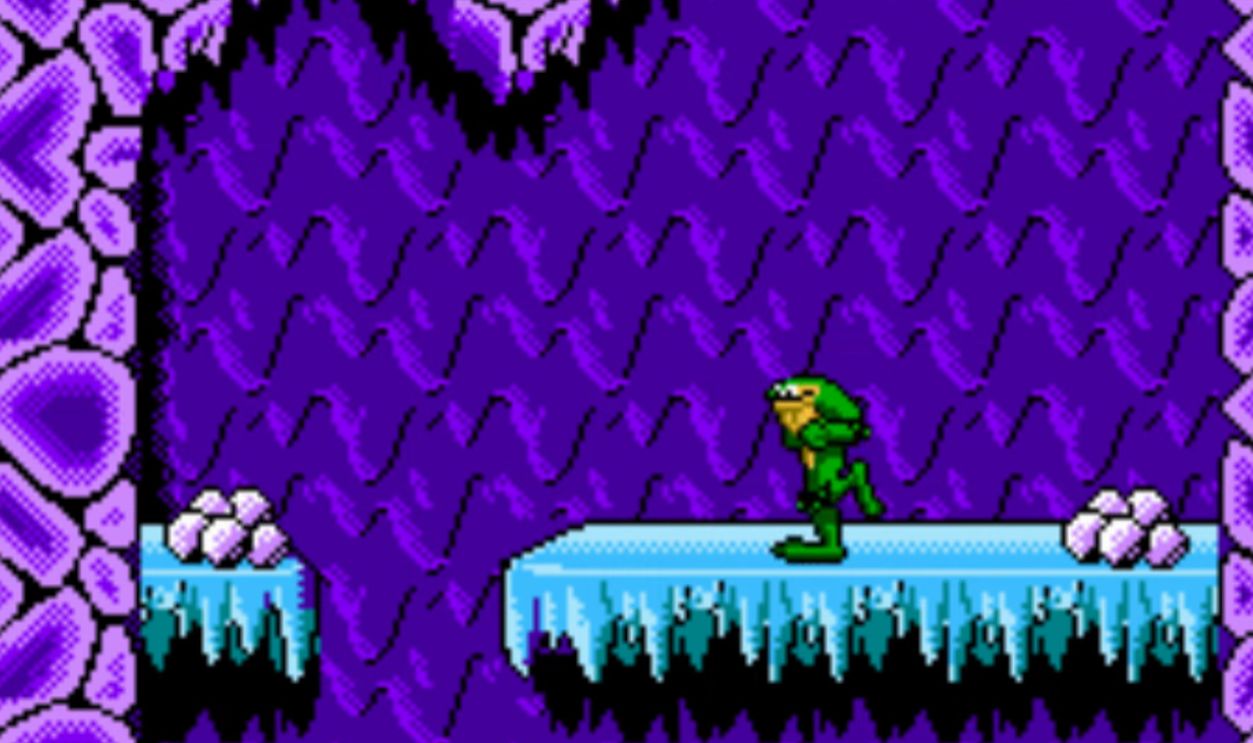
In 1991, gaming was introduced to one of its most notorious challenging games that masqueraded as fun. Battletoads was a prime example of player annoyance that has left a lasting impact on gamers for more than thirty years. The game’s notoriety grew so much that finishing it without using cheats turned into a symbol of achievement.
Battletoads (Cont.)
What makes Battletoads especially harsh is its misleading difficulty curve. The initial levels trick players into a sense of security with typical beat-’em-up mechanics, only to present the infamous Turbo Tunnel at level 3. This motorcycle segment demands precise timing and knowledge of obstacle layouts.
Ghosts ‘N Goblins
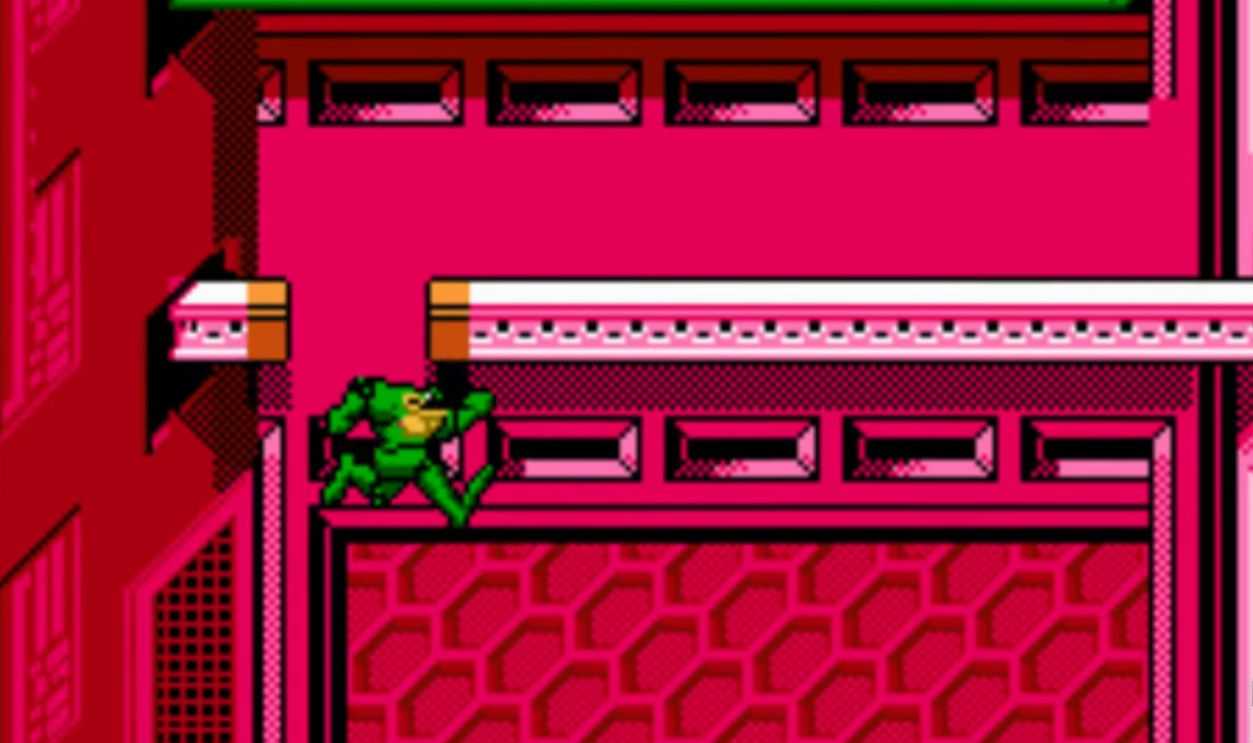
Capcom’s 1986 classic follows a straightforward yet unforgiving approach: death can happen in a single hit. The game removes Arthur’s armor every time he encounters an enemy, exposing him in just heart-printed undergarments. That’s quite the embarrassing symbol of defeat.
Ghosts ‘N Goblins (Cont.)
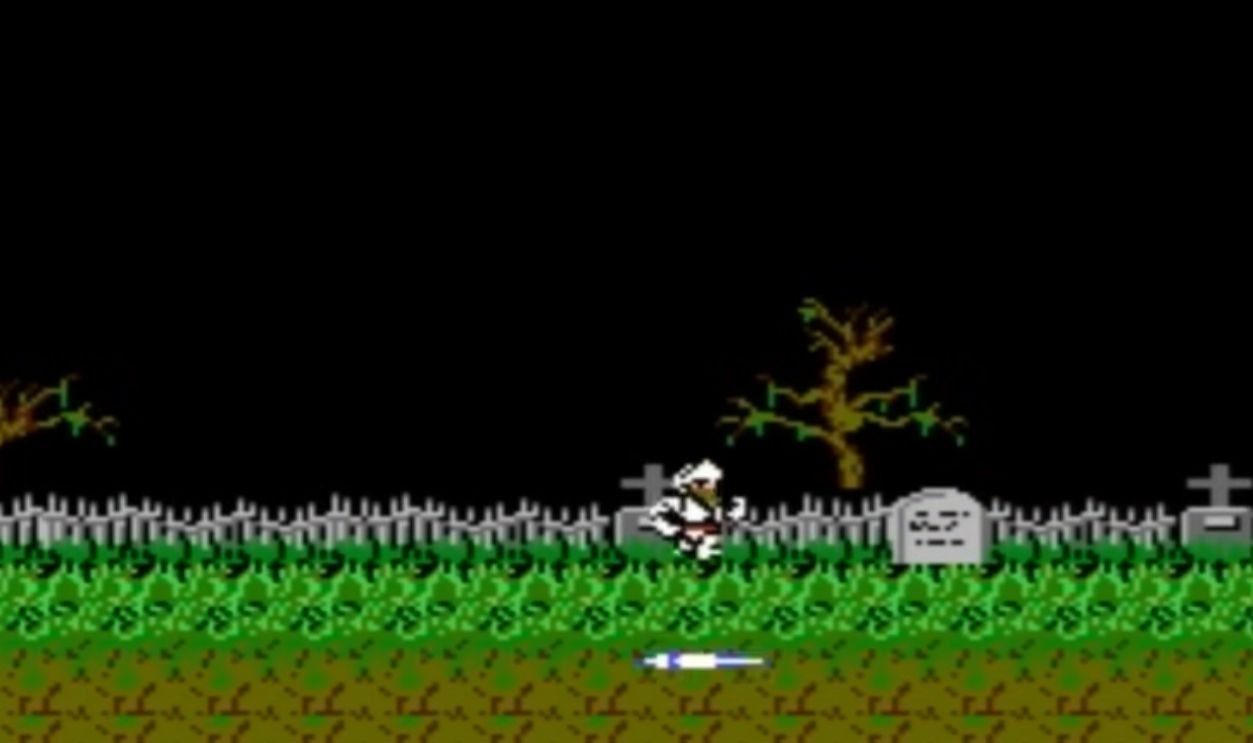
Its cruel design approach goes further than just the health system and affects its fundamental gameplay. Well, the ultimate humiliation occurs at the game’s conclusion, where defeating the final boss shows that you have to play the whole game again on a harder difficulty to unlock the real ending.
Silver Surfer
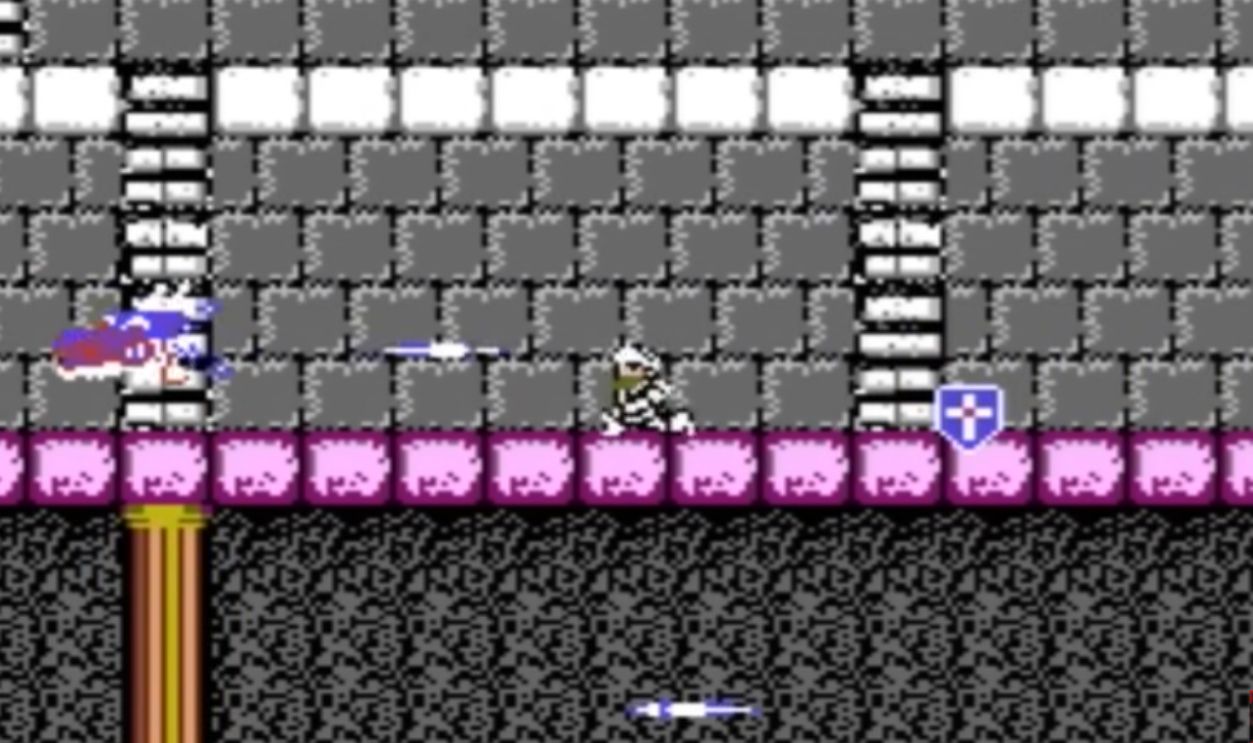
Beneath the cosmic superhero image is a technical nightmare that approaches being unplayable. The Silver Surfer experiences collision detection so harsh that even brushing against a single pixel of the background environment leads to immediate demise. This isn’t merely bad coding; it’s unintentionally groundbreaking in its brutality.
Silver Surfer (Cont.)
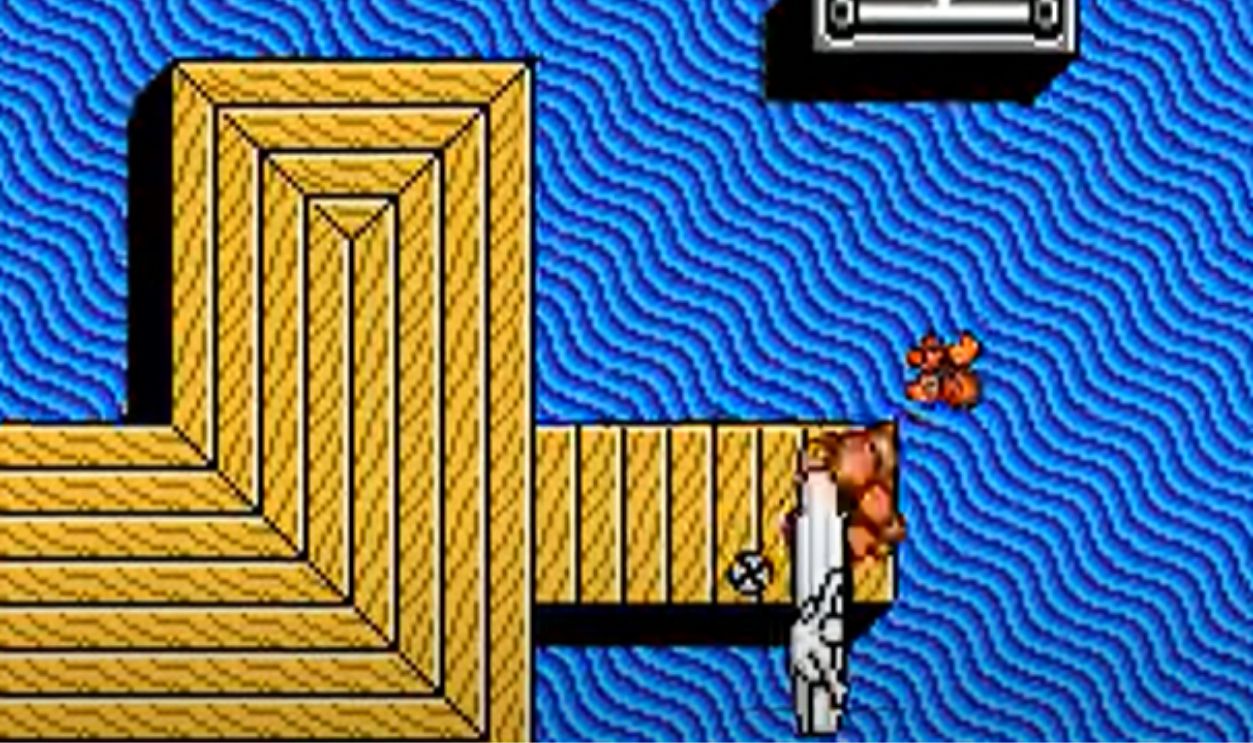
The Silver Surfer gained notoriety in 1990 by transforming one of Marvel’s strongest characters into the most vulnerable hero in gaming. The Surfer, who in official stories can endure cosmic forces and move faster than light, perishes immediately when he comes into contact with a random bubble or a blade of grass.
Ninja Gaiden
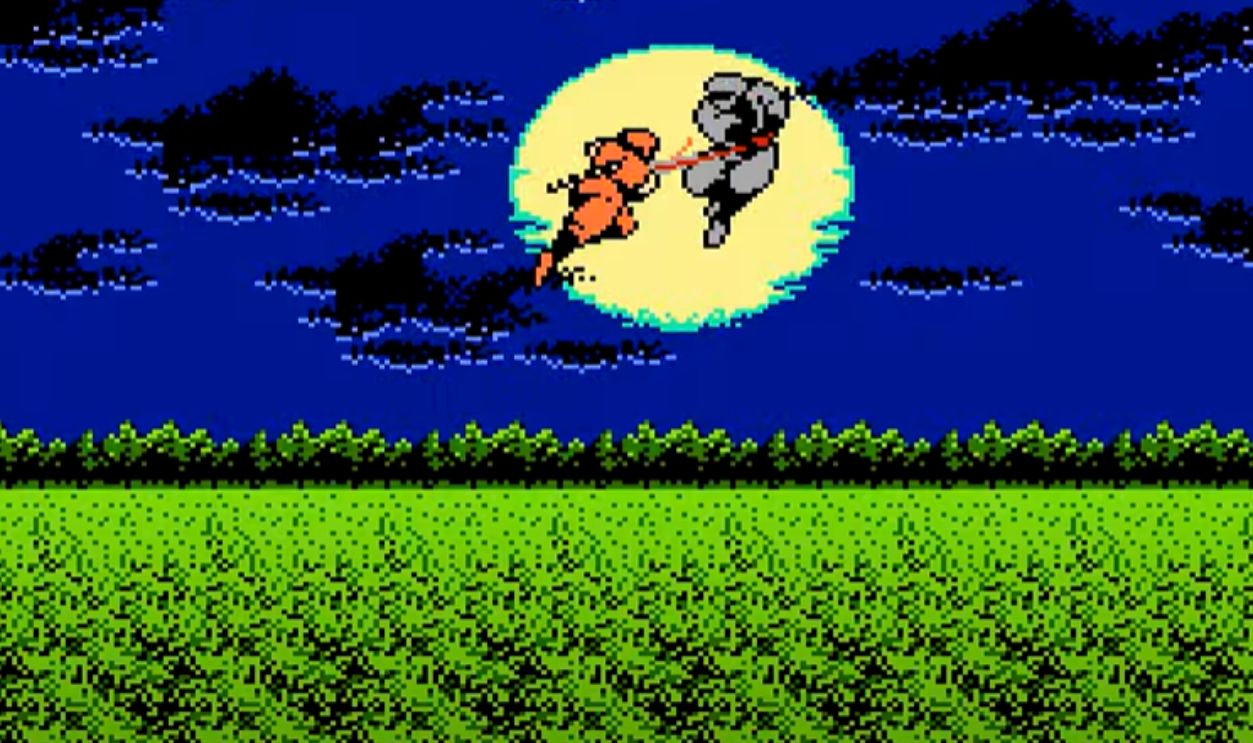
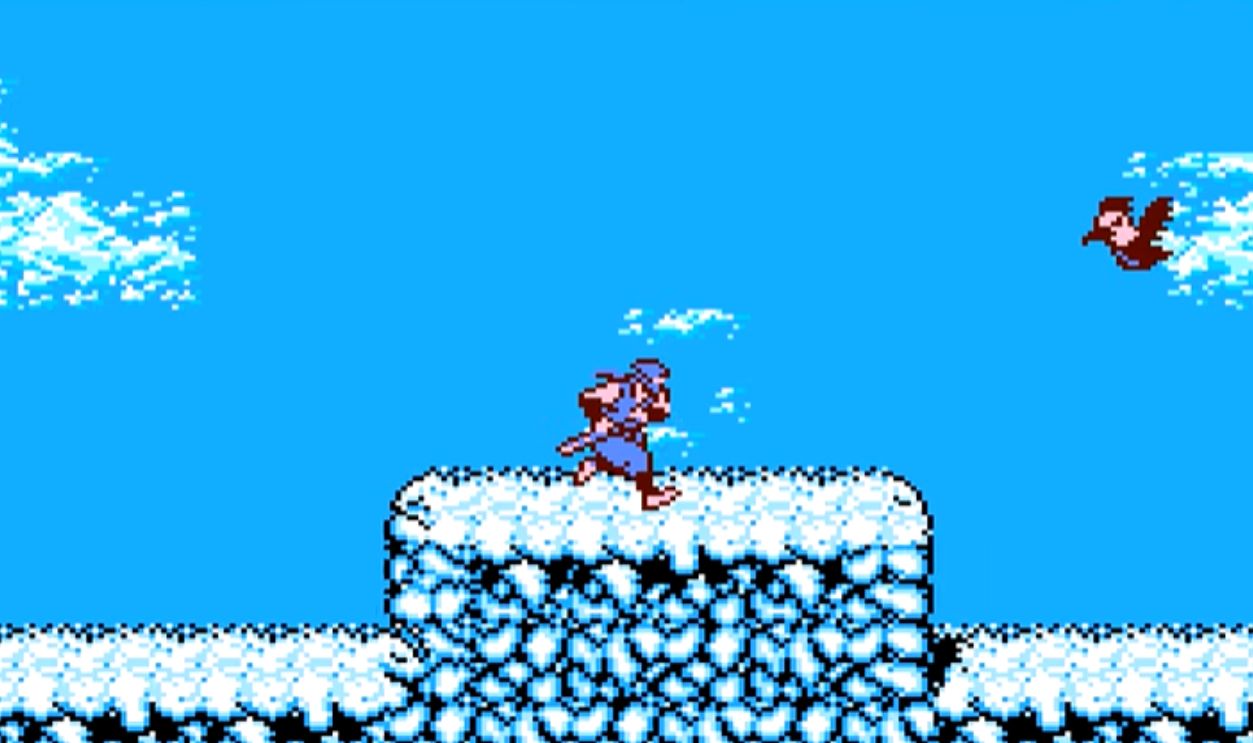
This game brought in a mechanic so frustrating that it became known with its own term in the gaming world: “Ninja Gaiden birds.” These seemingly harmless bird enemies have supernatural timing, appearing exactly when players try to make crucial jumps, causing them to fall into endless pits.
Ninja Gaiden (Cont.)
As Ryu sustains damage, he is forcefully pushed back, frequently into the dangers he was attempting to evade. This leads to a chain of failures where one enemy hit can cause him to fall into previously encountered enemies.
Contra (Without the Konami Code)
The iconic “Up, Up, Down, Down, Left, Right, Left, Right, B, A” code is well-known due to the fact that playing Contra without it can be extremely difficult. Without the 30 lives, each hit becomes a significant risk, making careful play essential.
Video: The Unexpected Advantage of Flying
Contra (Without the Konami Code) (Continued)
What sets Contra apart from other challenging games is its non-stop speed that doesn’t give you a moment to catch your breath. Enemies come at you from all directions with bullets covering the screen. The game requires lightning-fast reactions while keeping excellent position, as one bullet can end your life immediately.
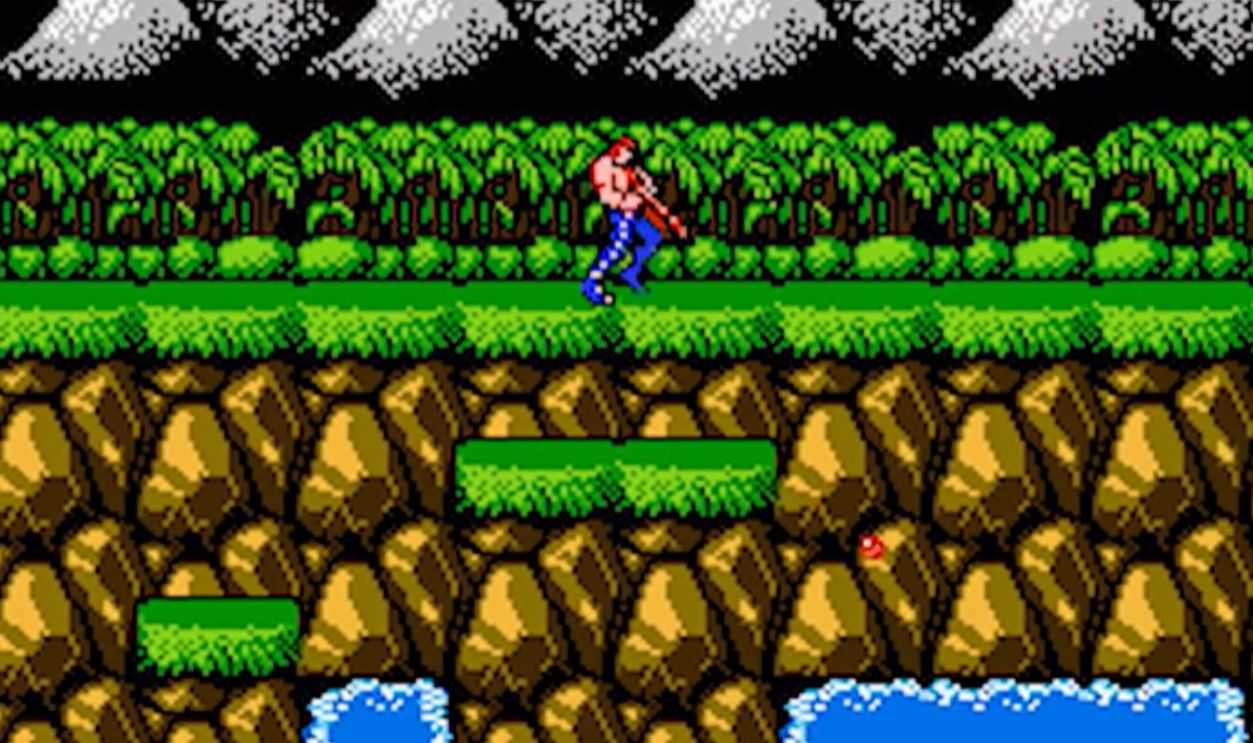
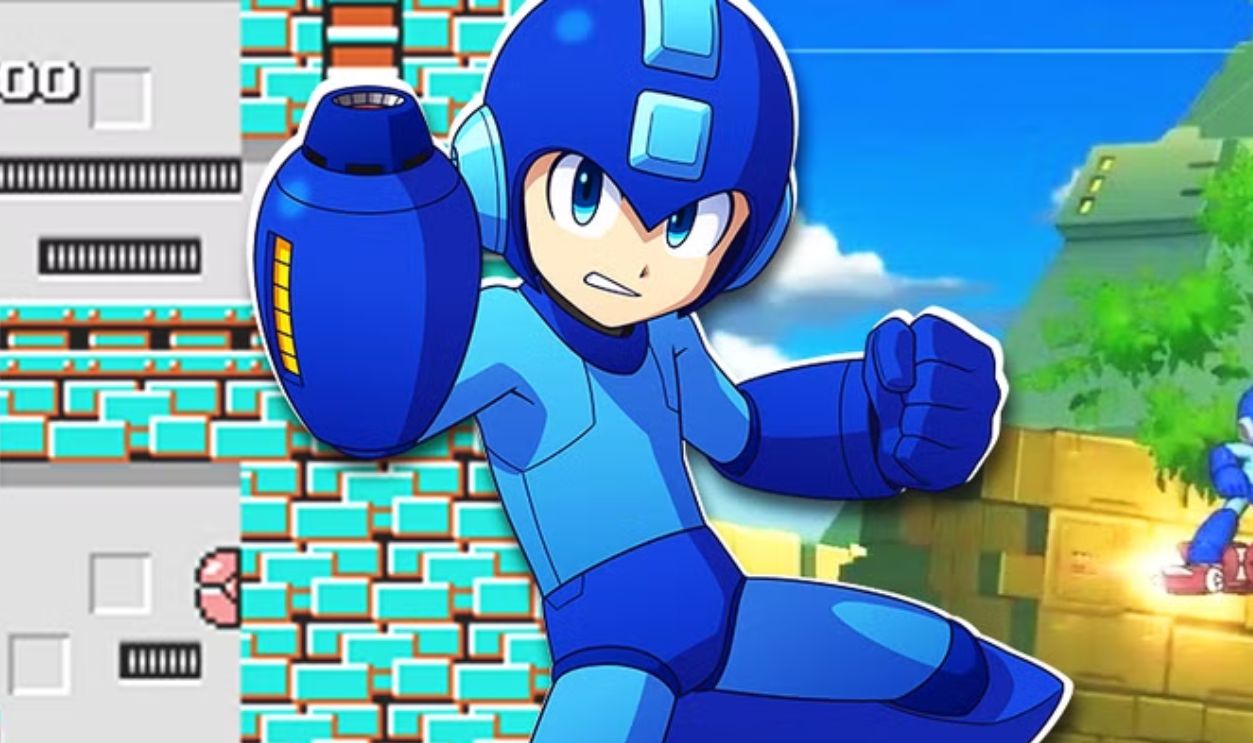
Mega Man
The battle against the Yellow Devil has concluded more gaming sessions than power outages and dinner interruptions combined. This full-screen boss splits into precisely 19 separate parts that need to be avoided in order. Achievement relies on memory and timing.
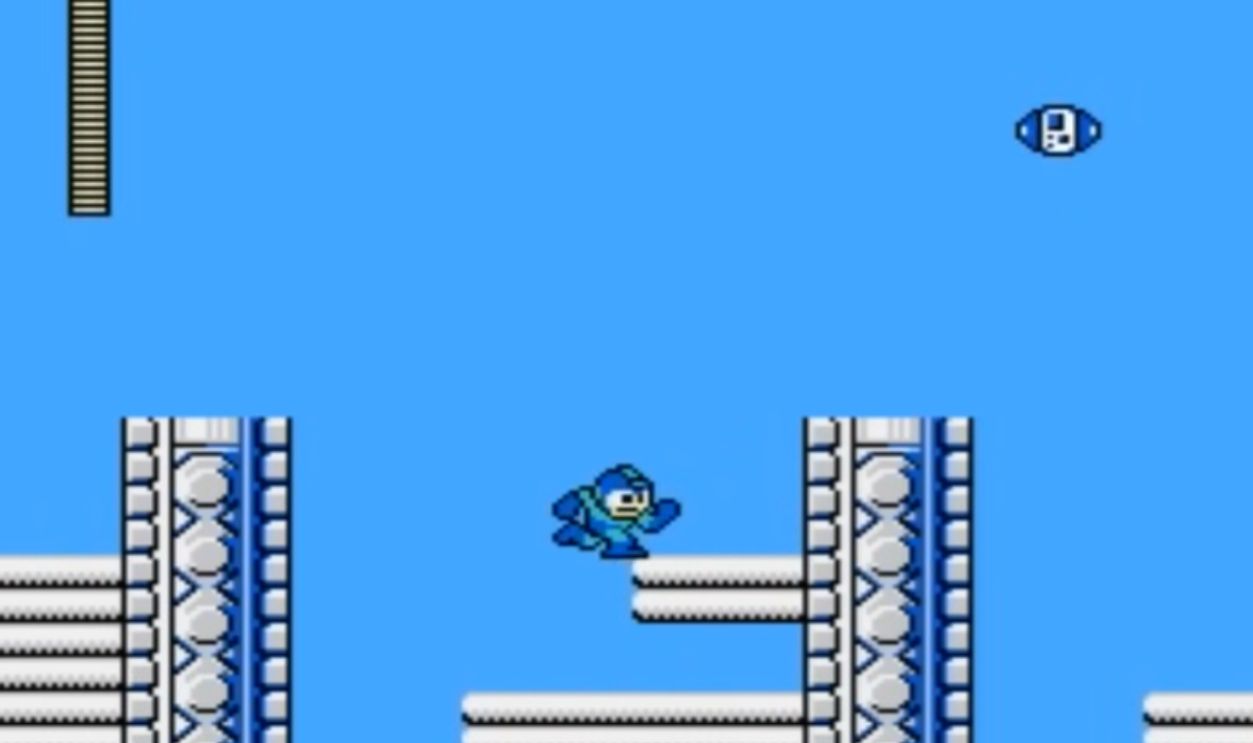
Mega Man (Cont.)
Skip a jump, and you’ll have to start from the beginning in a battle that may last between 3 to 5 minutes if completed properly. Unlike later games in the series, dying results in a full restart. Dr. Wily’s fortress is an intense challenge that requires players to deliver top-notch performance throughout.
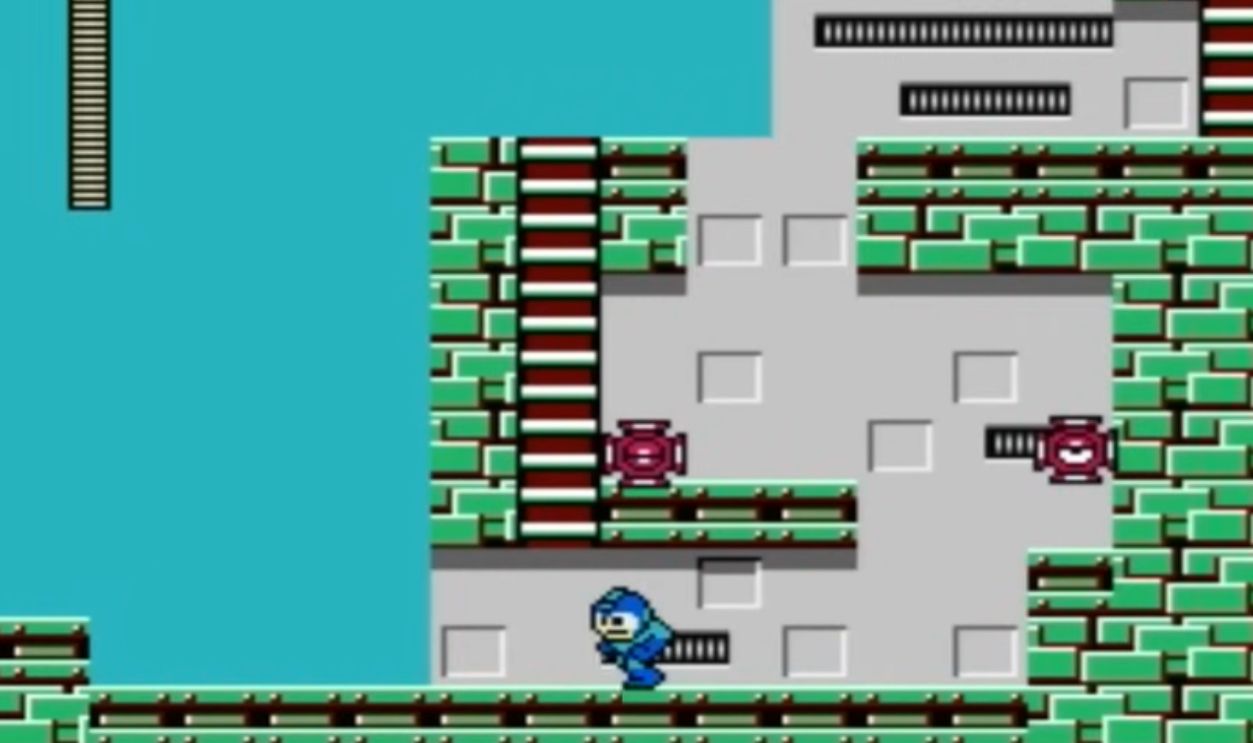
Castlevania III: Dracula’s Curse
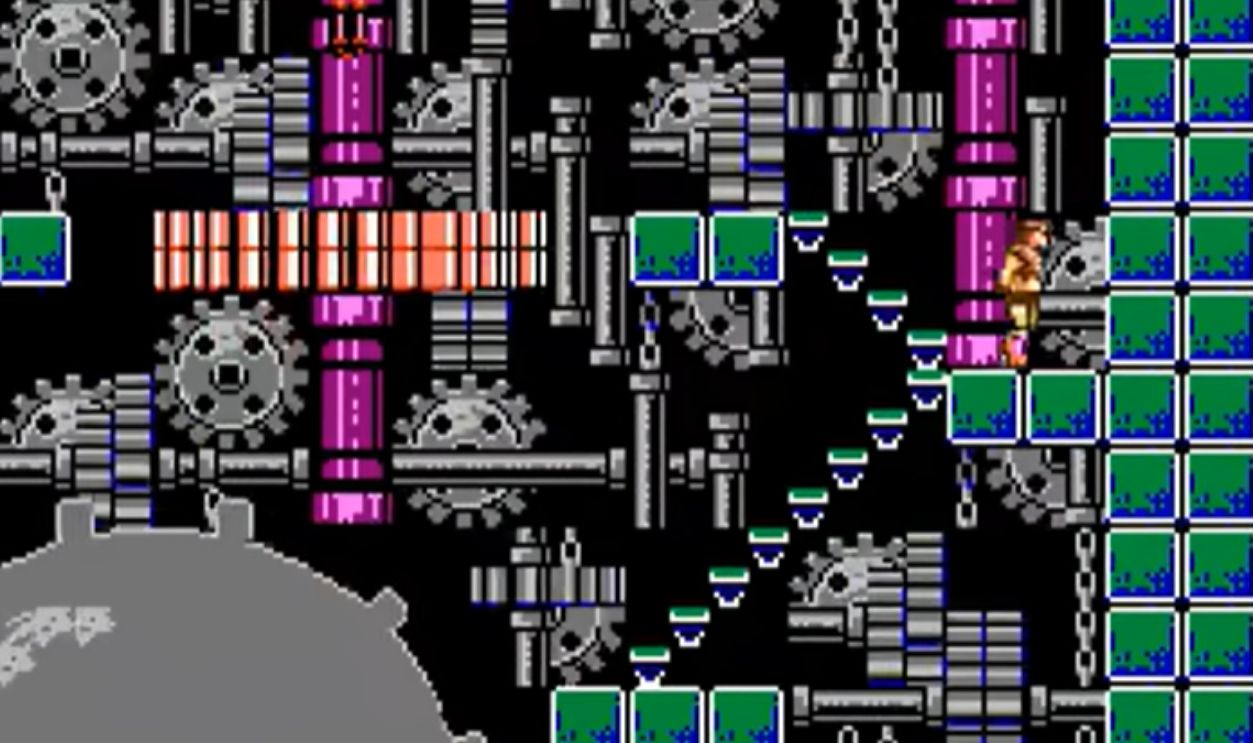
Gorgon faces. Two words that fill seasoned NES gamers with dread. These snake-like adversaries move in erratic wave-like paths as you try to make accurate jumps over areas filled with spikes. They show up at impossible times, always when you’re most exposed during a jump.
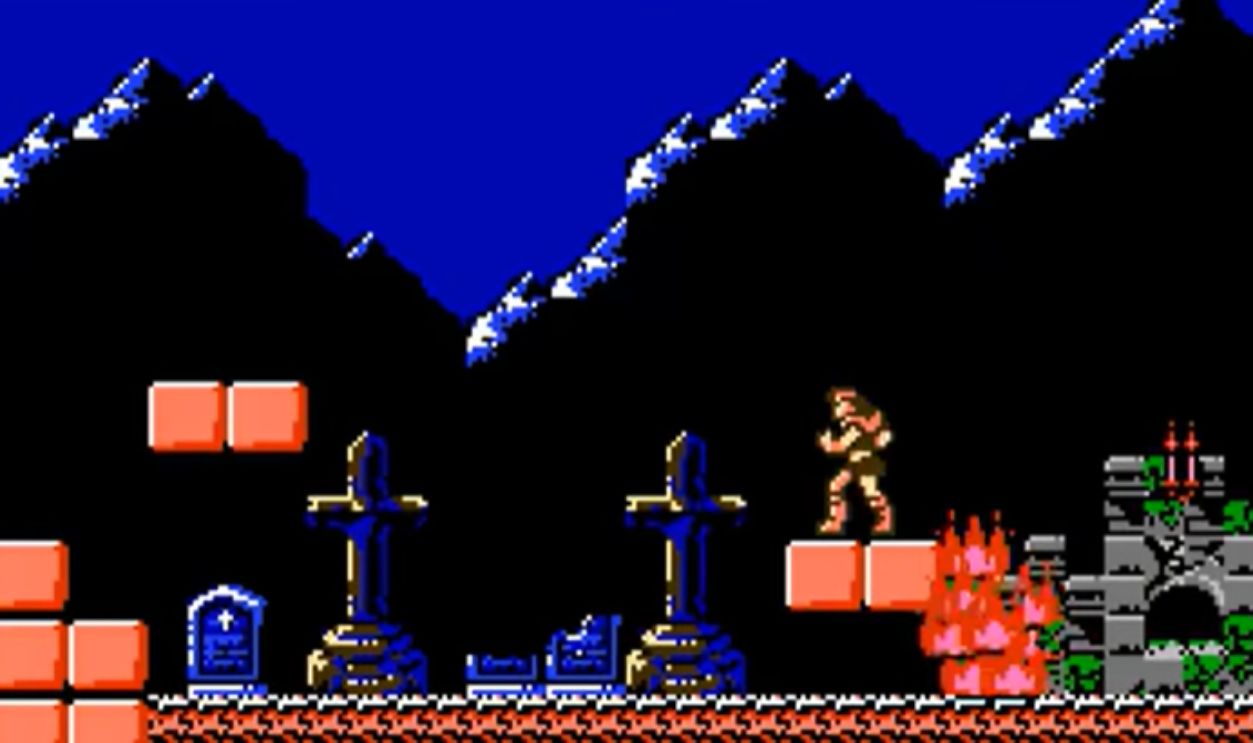
Castlevania III: Curse of Dracula (Continued)
The maze-like path system suggested player freedom but instead offered only various forms of suffering. No matter if you pick Alucard’s bat shape, Sypha’s spellcasting, or Grant’s ability to scale walls, each character ensures distinctive methods of meeting a dramatic end.
Double Dragon III: The Holy Stones
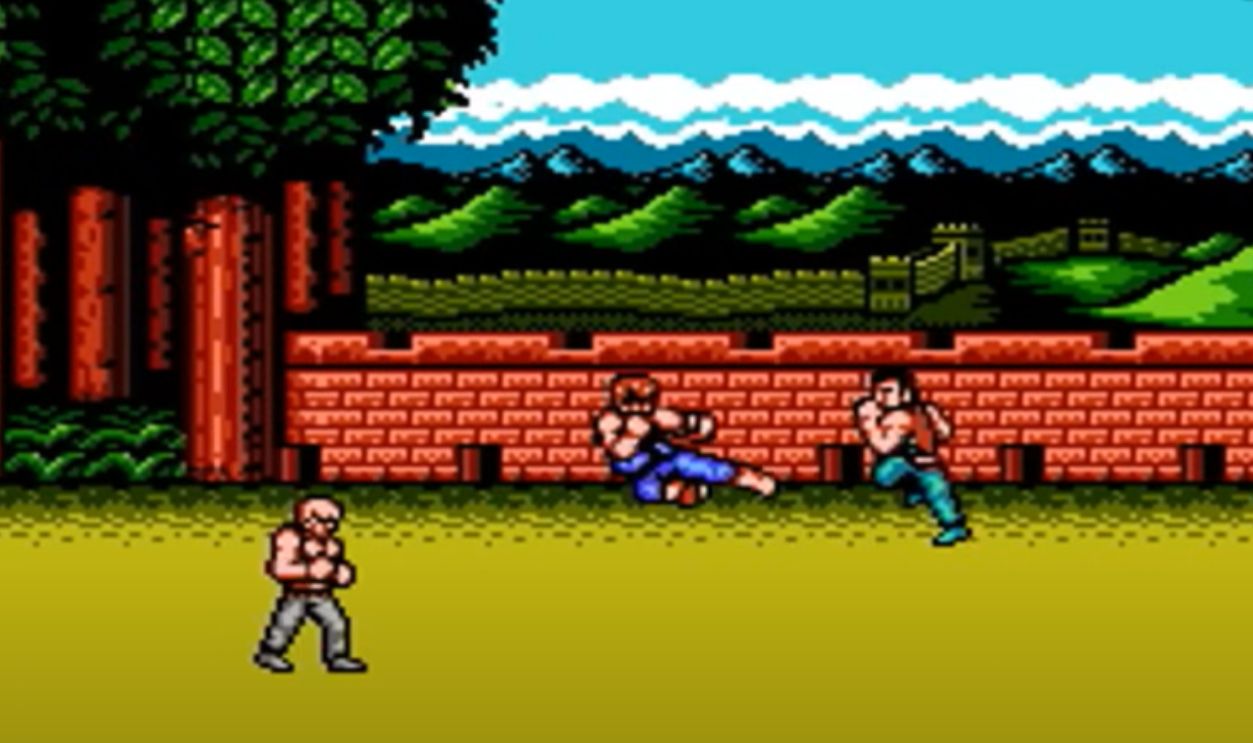
Billy Lee can break through brick walls, but meets his end after being struck by an unexpected street criminal. This basic inconsistency between character idea andgameplay realityhighlights all the issues with Double Dragon III’s handling of challenge. The damage proportions are quite imbalanced.
Double Dragon III: The Holy Stones (Continued)
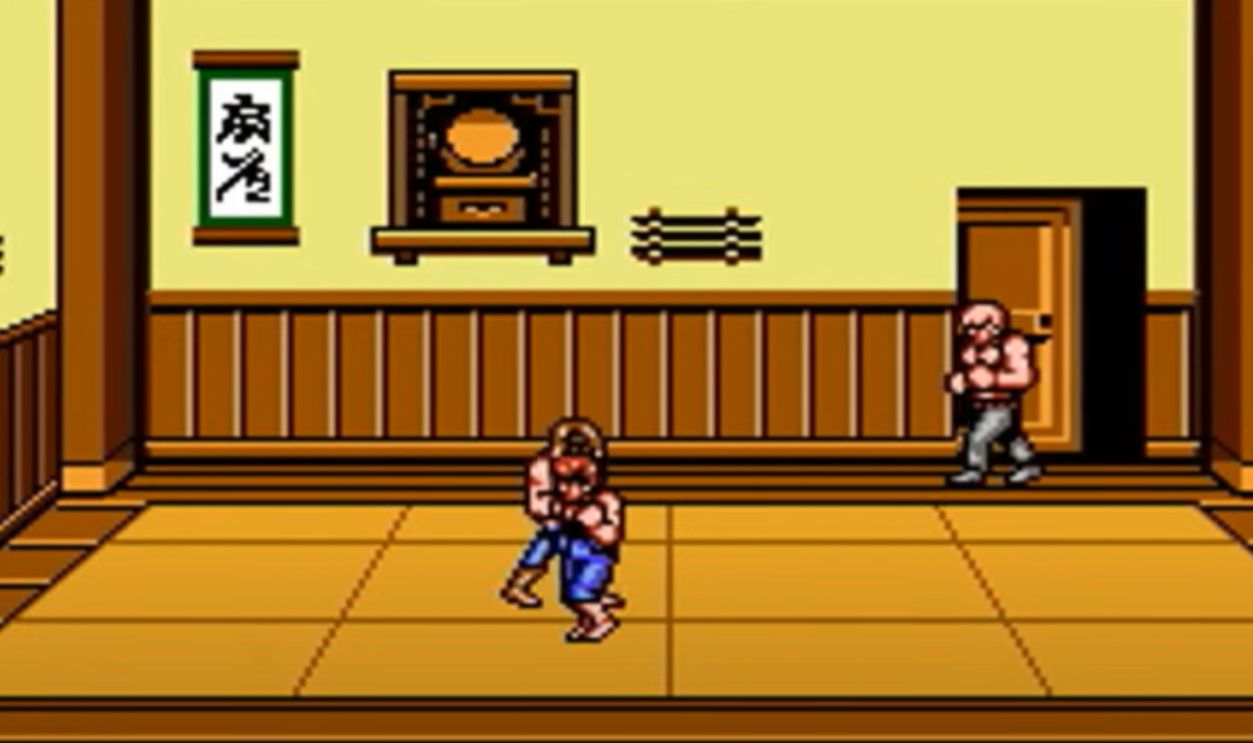
It includes four characters that can be played: the Lee brothers (Billy and Jimmy), Chin Seimei (a Chinese martial arts expert), and Yagyu Ranzou (leader of a ninja group). Gamers have the ability to change between characters anytime to take advantage of various combat techniques, health levels, and speed benefits.
Fester’s Quest
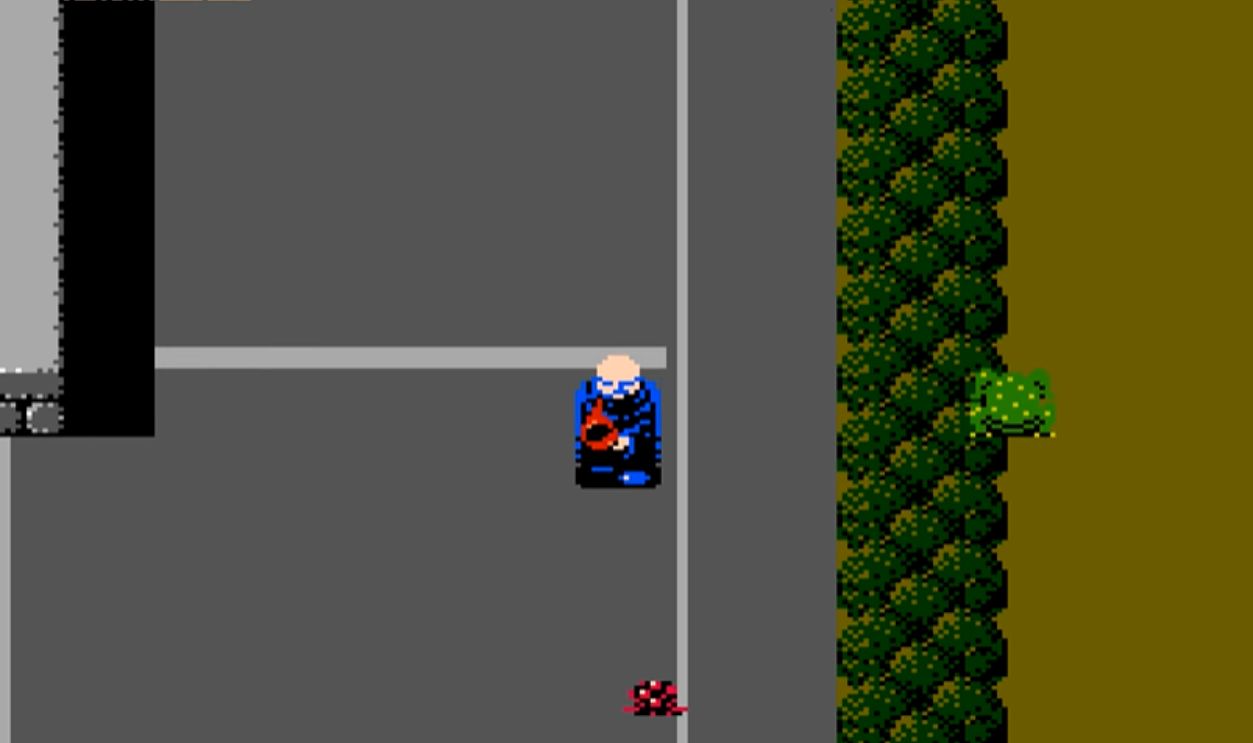
Subterranean sewers extend endlessly in all directions, with every tunnel looking the same as the one before. This creates a navigation challenge that makes getting lost seem unavoidable. In *Fester’s Quest*, there is no built-in map system, forcing players to roam aimlessly through complex corridors.
Fester’s Quest (Cont.)
Uncle Fester’s weapon enhancement system commits a major mistake in gaming: it makes players less powerful as they advance. The power-ups actually decrease the effectiveness of your gun by changing rapid-fire bullets into slow, hard-to-control projectiles that struggle to hit even a large target. This counterintuitive progression system goes against what everyone expects.
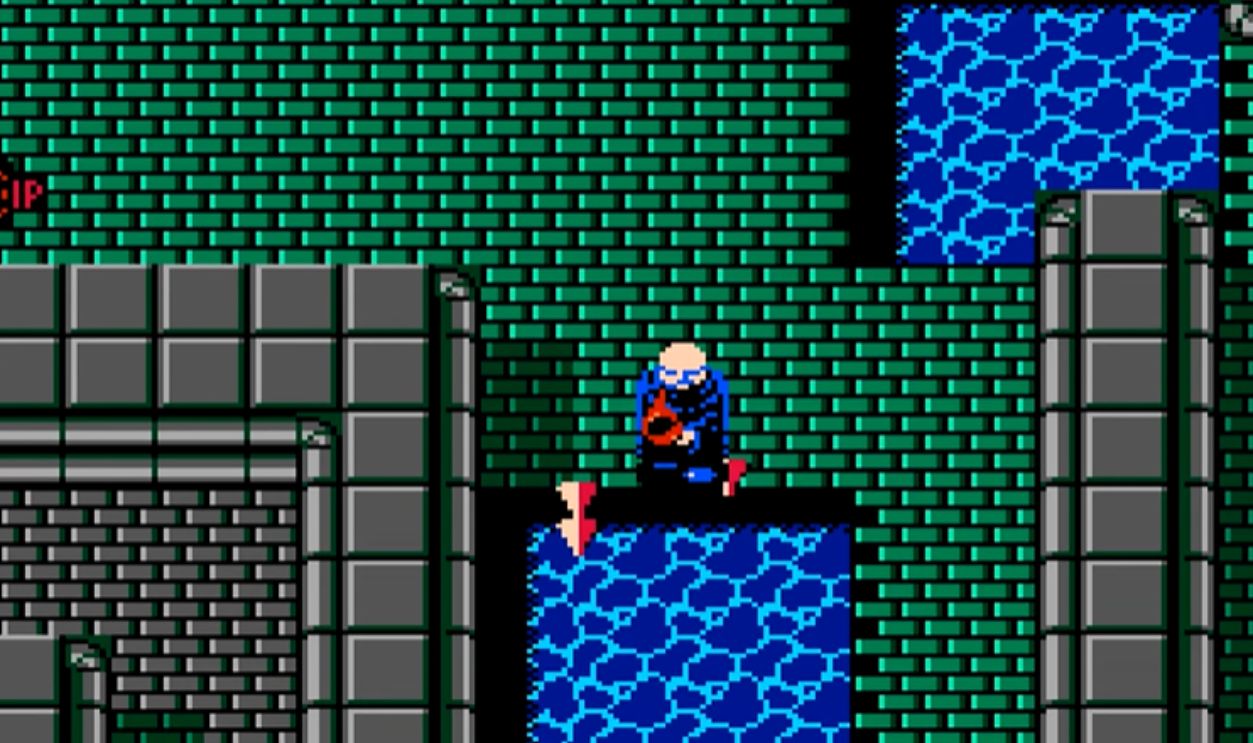
The Tale of Bayou Billy
Three distinct gameplay styles offer three unique paths to dramatic failure. The beat-em-up segments include hit detection designed by someone who seemingly never experienced a fighting game. Delivering punches requires standing at precise distances that the game never informs players about.
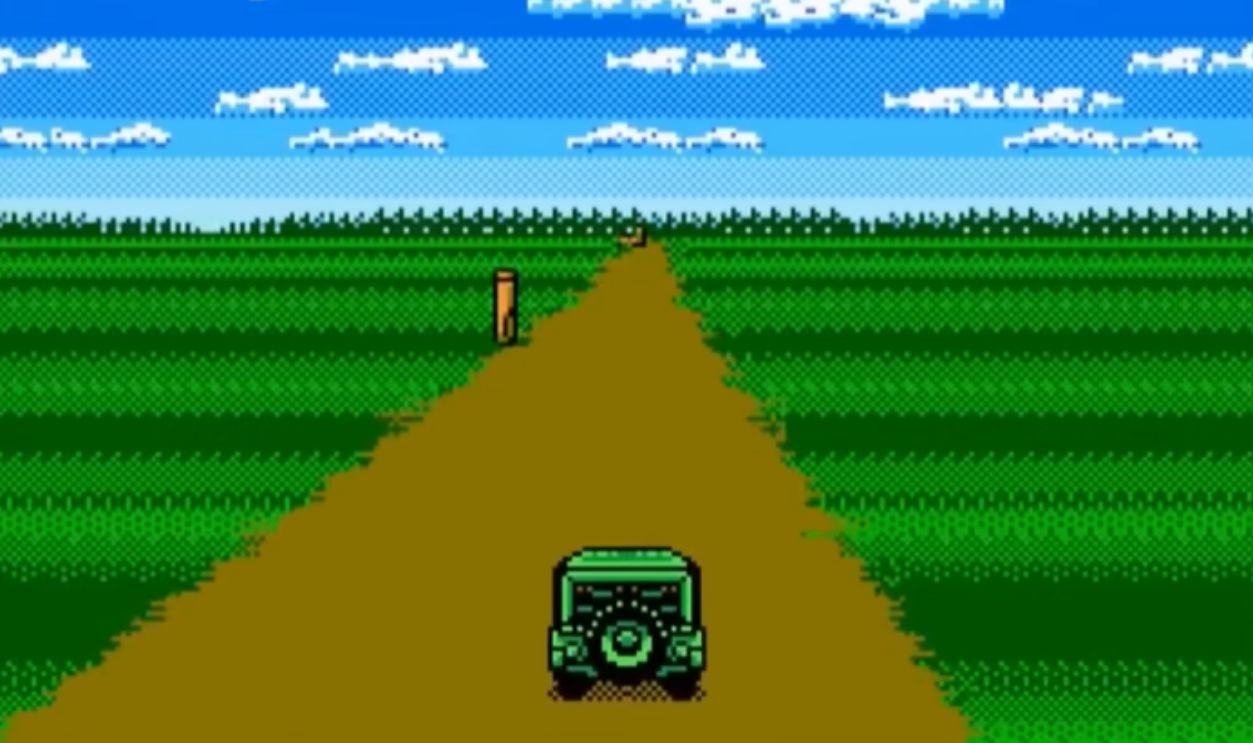
The Adventures of Bayou Billy (Continued)
Swamp racing seems less about skilled movement and more about recalling a dangerous track through multiple close calls. Light gun sections, created for the NES Zapper, turn into difficult control challenges when using regular gamepads. Skills gained from earlier parts are just useless leftovers.
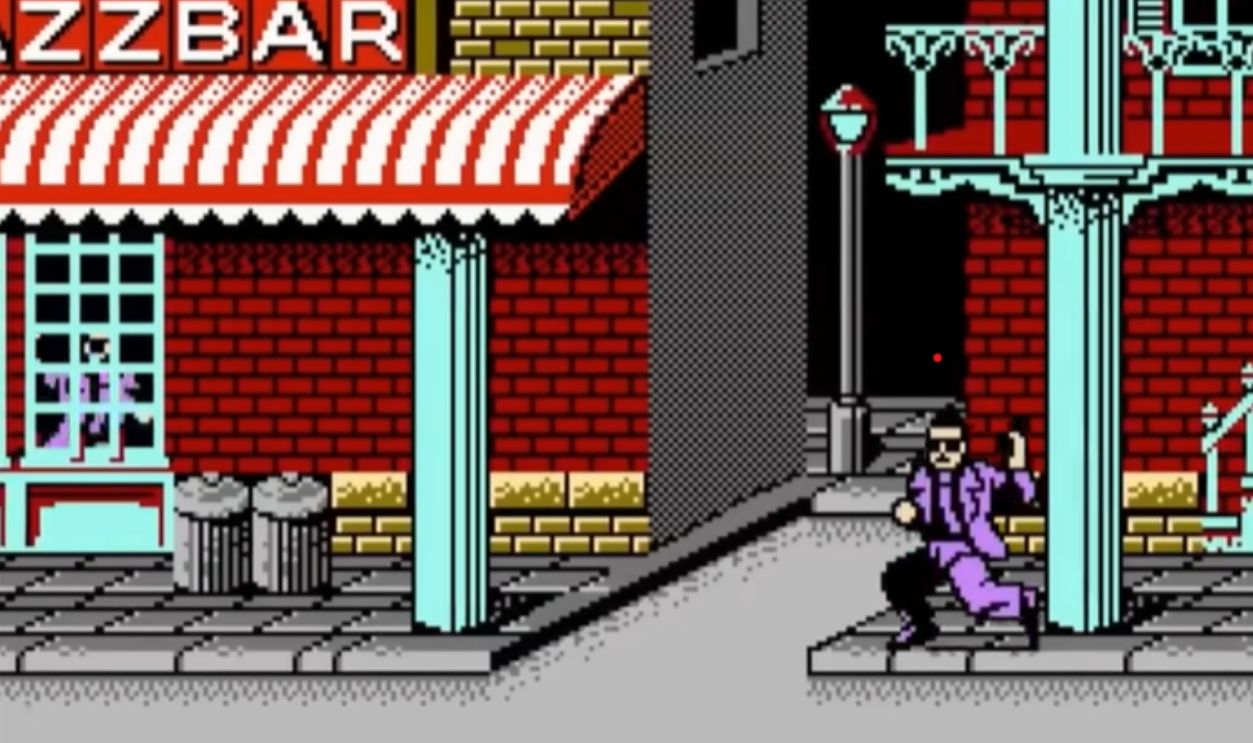
Gradius
Your vessel is destroyed. The power-up system is completely reset. All the progress you’ve made—speed enhancements, spread fire options, defensive features—disappears in an instant, leaving you moving at a sluggish pace through enemy waves designed for a fully equipped ship. That’s what I call a systematic embarrassment that forces you to battle end-game foes with basic gear.
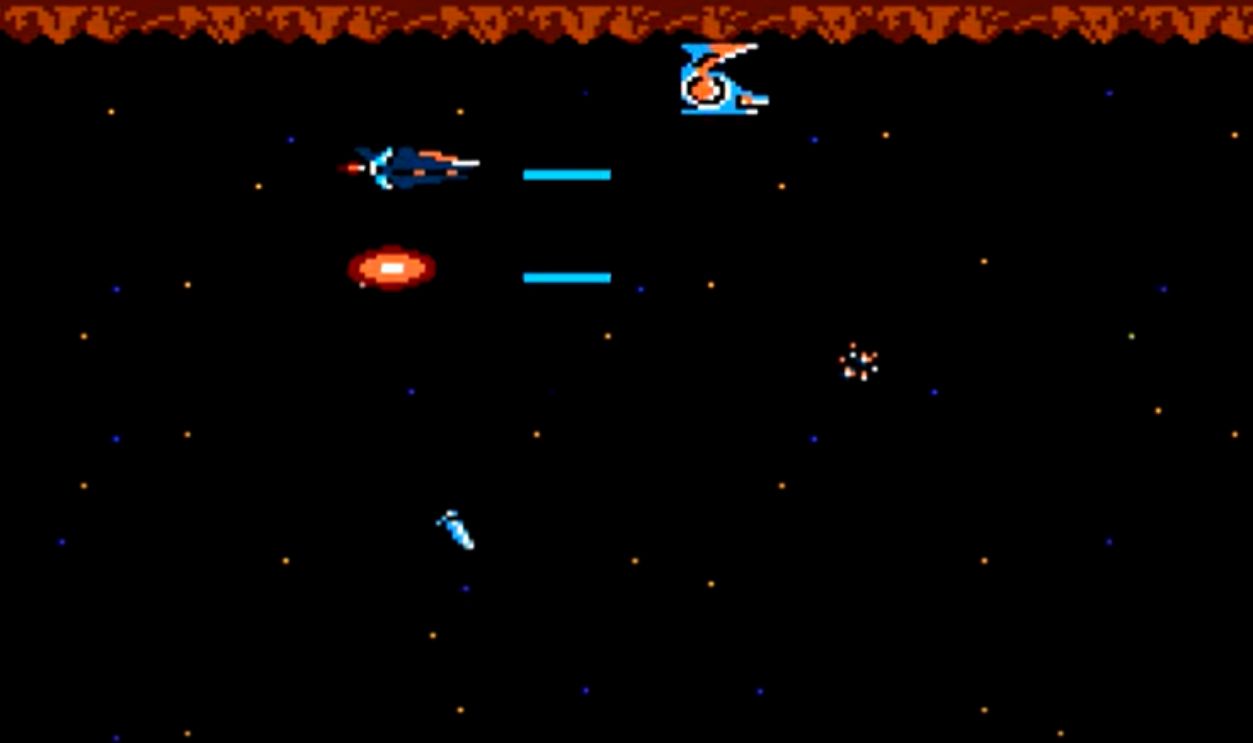
Gradius (Cont.)
Konami’s 1986 space shooter set the standard for difficulty based on memorization that would impact numerous games. At each level, players learn enemy spawn locations, timing windows, and safe areas through repeated mistakes. The Moai head statues shoot ring patterns that appear difficult to maneuver through.
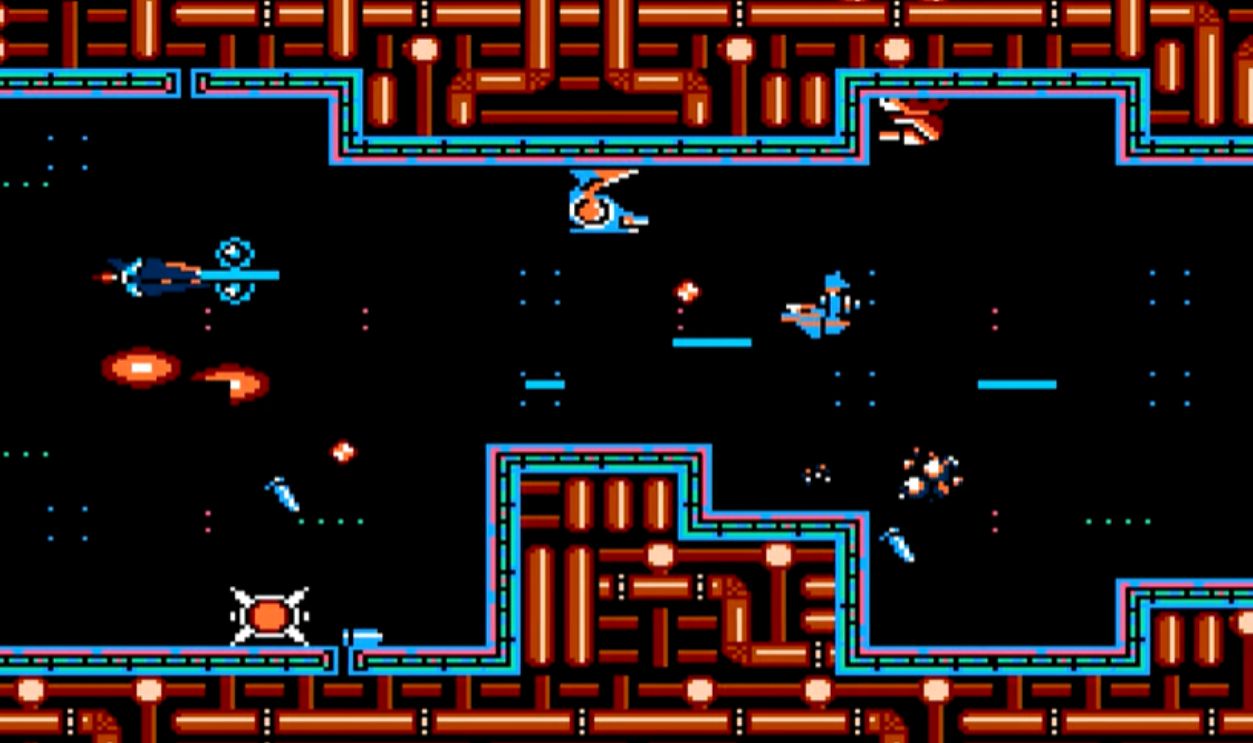
Life Force
A biological horror game combines with a bullet-hell style in another 1988 shooter that actually occurs inside a living body. Battling through stomach acid, avoiding white blood cells, and navigating intestinal passages while being constantly attacked offers a truly confined and intense experience.
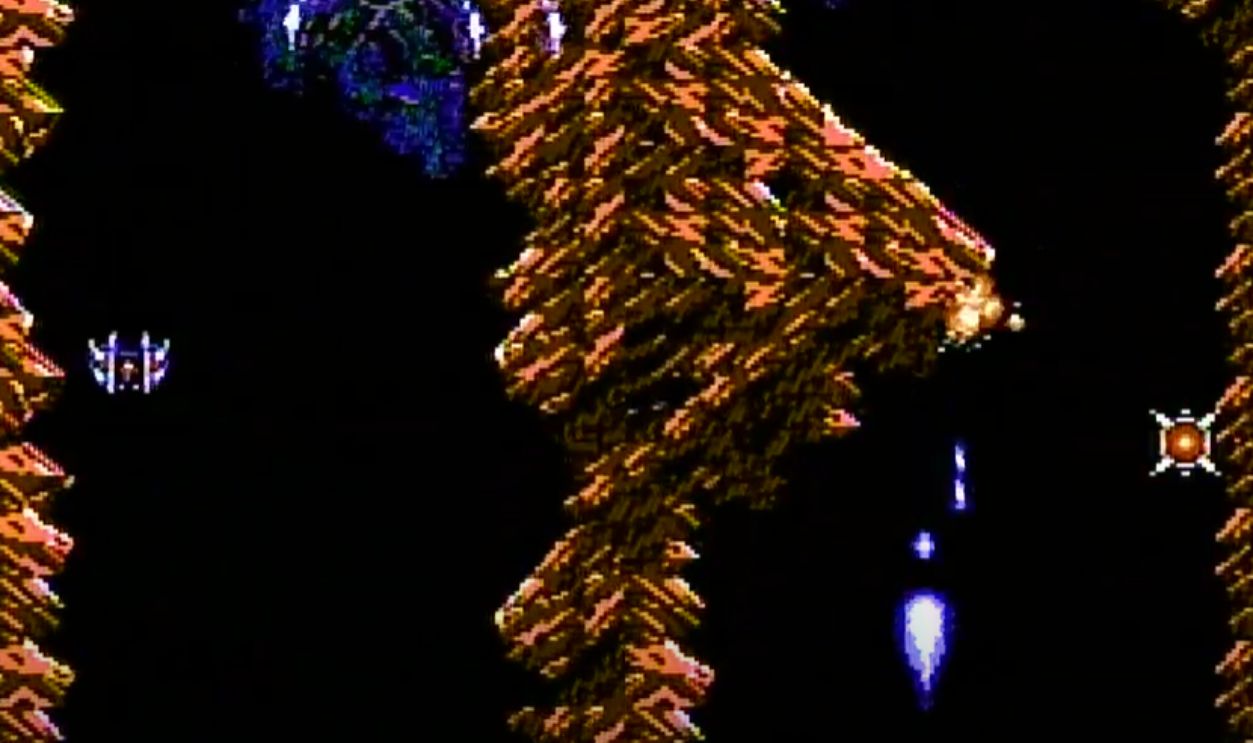
Life Force (Cont.)
The natural surroundings beat and shrink, introducing environmental dangers to already intense enemy attack sequences. Additionally, the two-player co-op mode somehow worsens the situation by increasing the on-screen confusion. The game features horizontal and vertical scrolling levels that demand fast reactions.
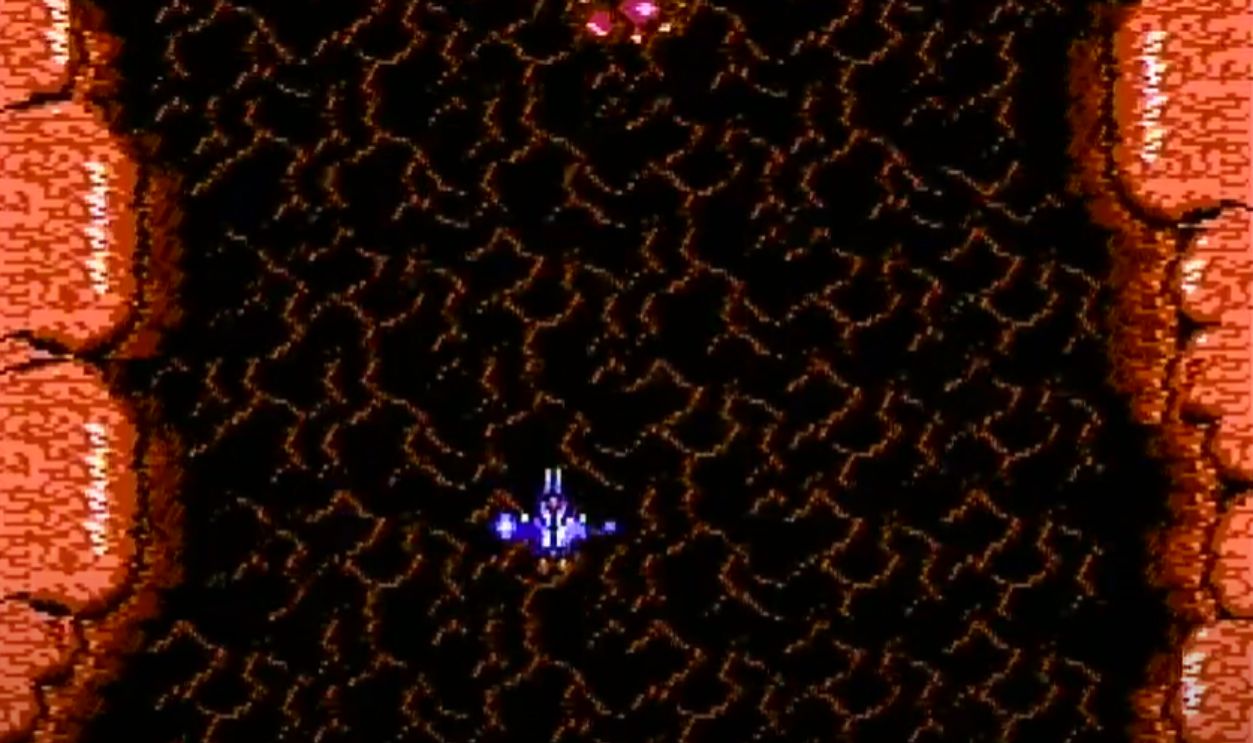
Blaster Master
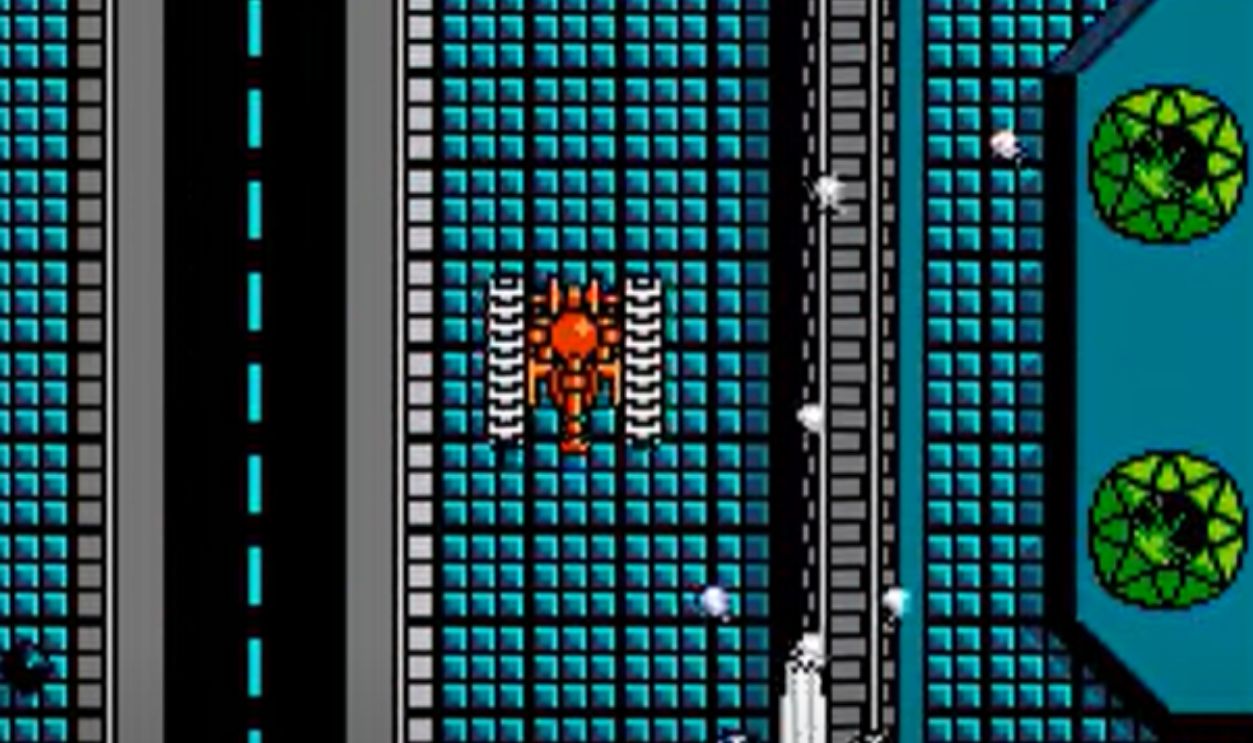
The surface world is full of mutants, but the true terror lies in Blaster Master’s intricate underground areas. These top-down dungeon sections remove your protective tank. Jason is left behind, exposed in tight hallways populated by creatures that can kill him instantly.
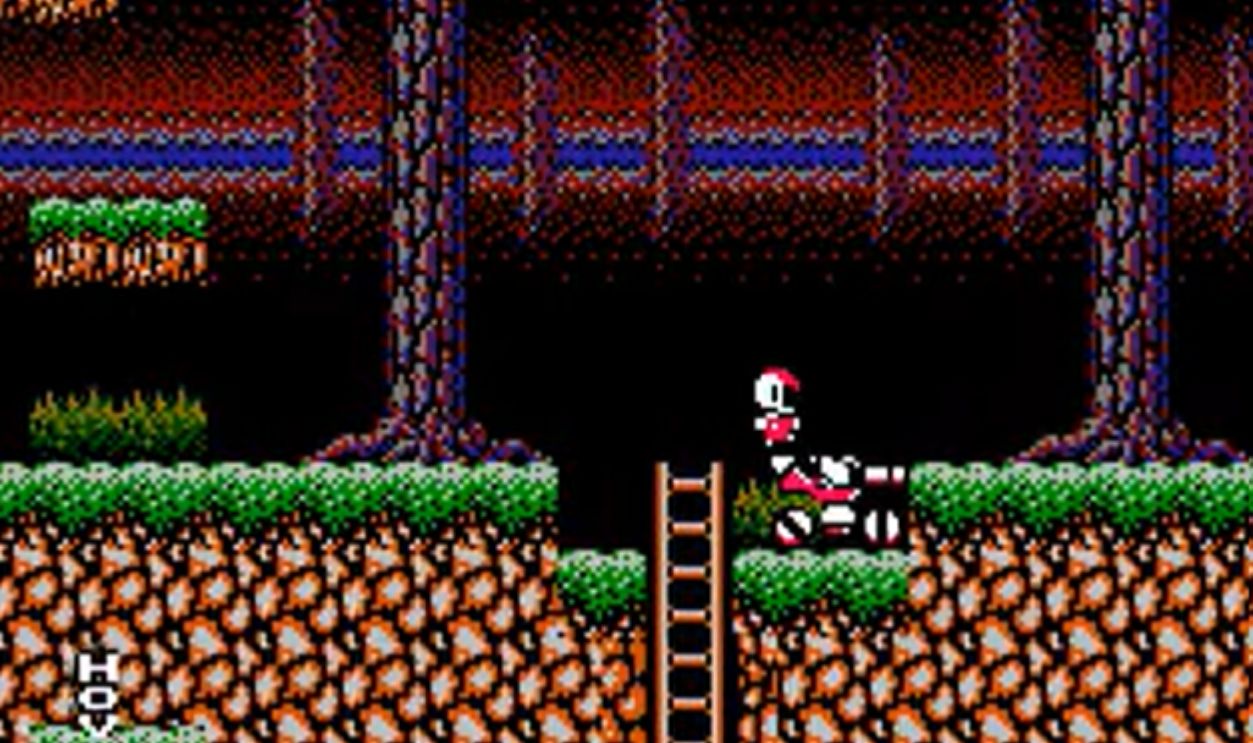
Blaster Master (Cont.)
Your vehicle, SOPHIA III, excels in surface battles but is ineffective in tight areas. The dungeon bosses require particular weapons that need to be discovered inside each area. Its challenge is significant because of confusing level movement, strong enemies, and the absence of a password or save feature.
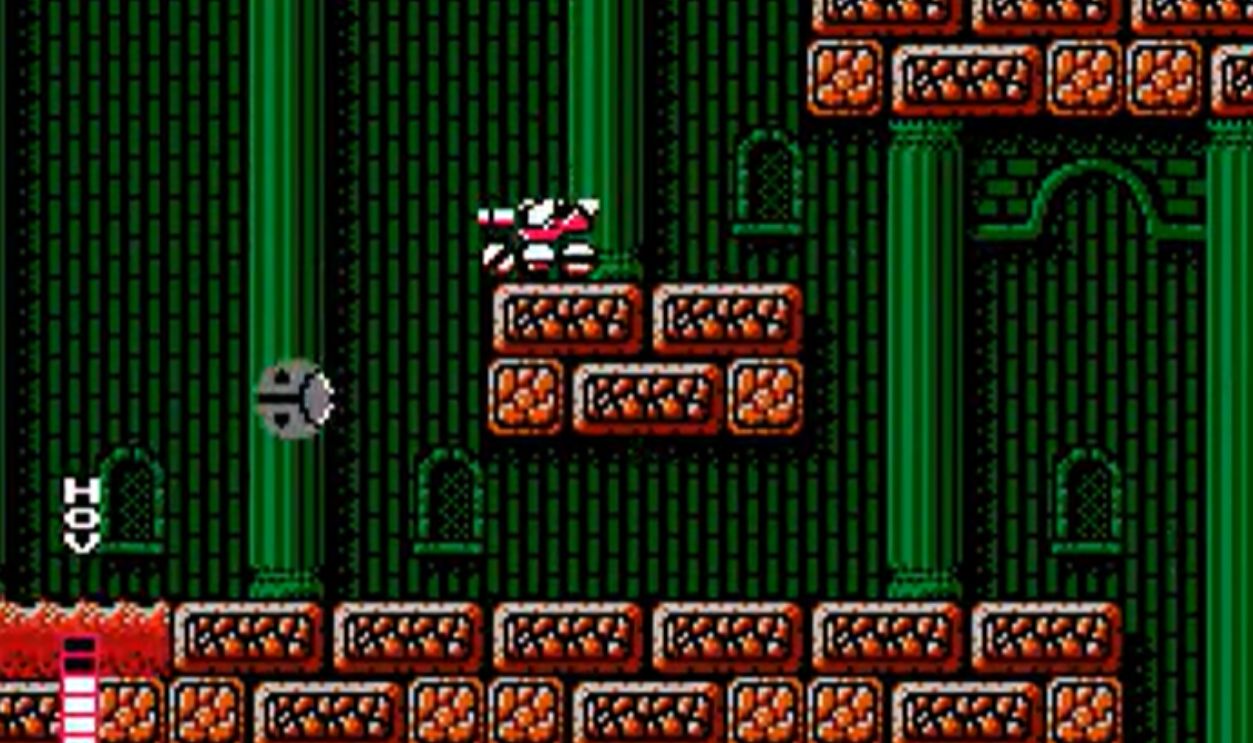
Metal Storm
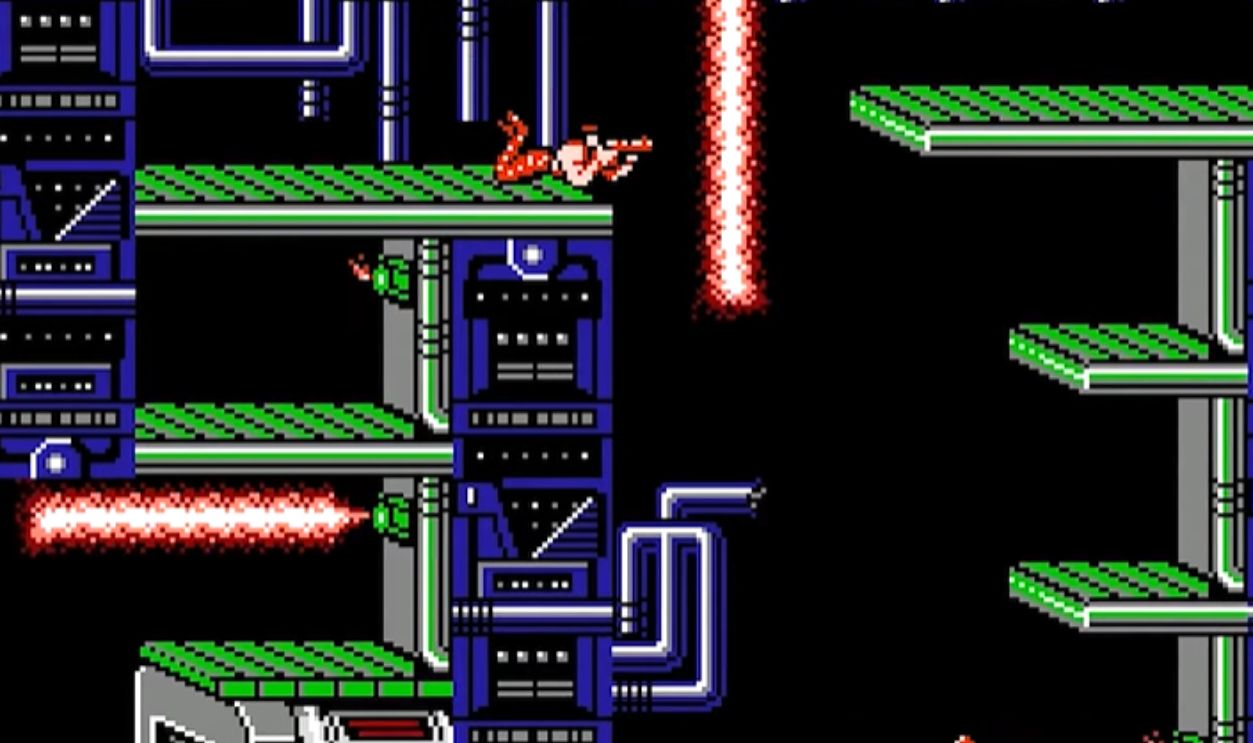
In Irem’s 1991 game, gravity works against you, giving players the ability to control gravitational fields. What seems like a creative feature soon turns into a challenging test of timing, with every ceiling posing a possible danger.
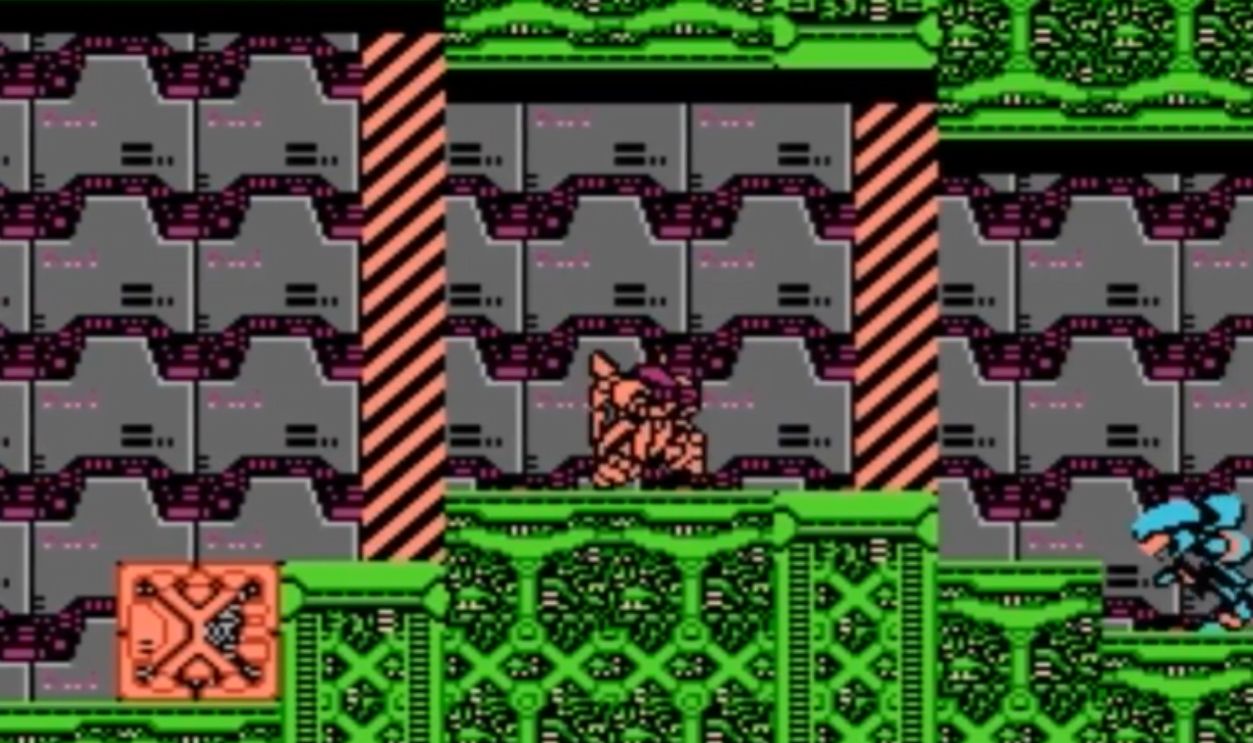
Metal Storm (Cont.)
The gravity-altering mechanism requires instant choices. Every level presents fresh gravity-related challenges that combine precise platforming with accurate shooting. The weapon enhancement system offers formidable firepower, yet losing a life removes these upgrades precisely when they are needed the most.
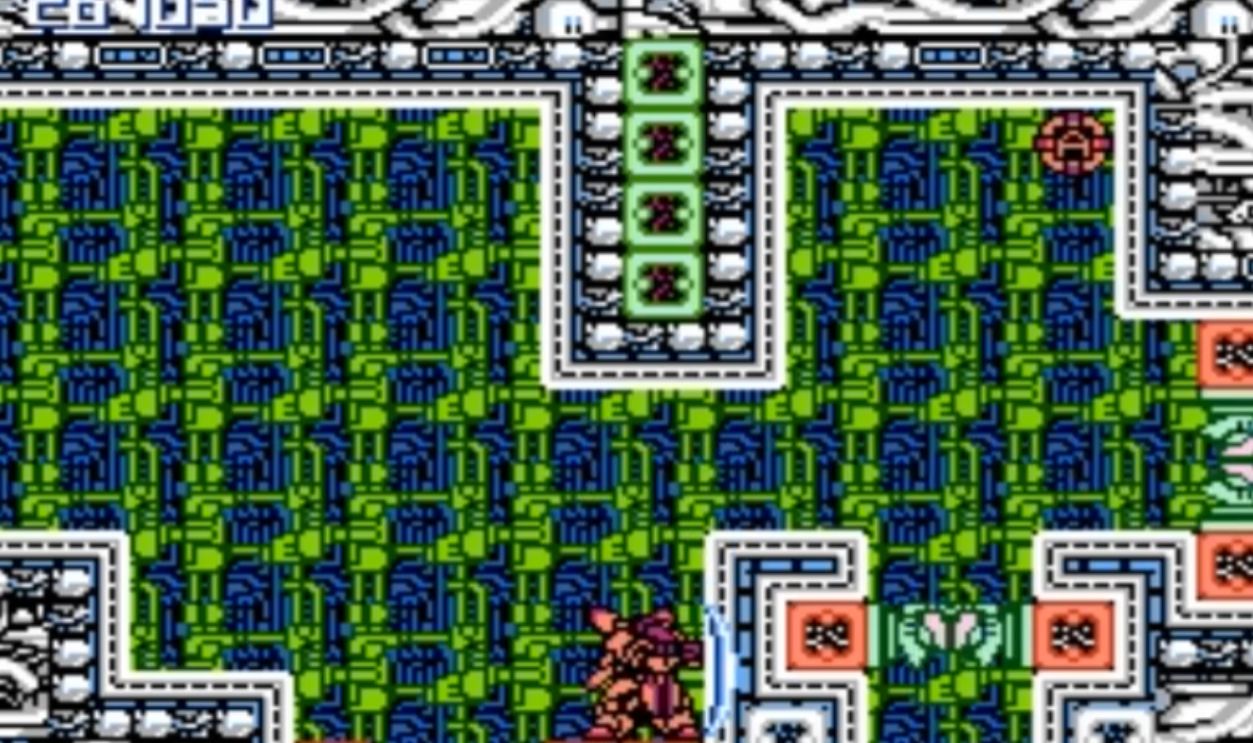
Ninja Gaiden II: The Dark Sword of Chaos
Tecmo failed to take any lessons from the original’s legacy and intensified every aspect that caused players to quit. The infamous birds come back with allies, including wall-crawling spiders, diving hawks, and adversaries that appear to be designed specifically to send Ryu tumbling into pits at the most inconvenient times.
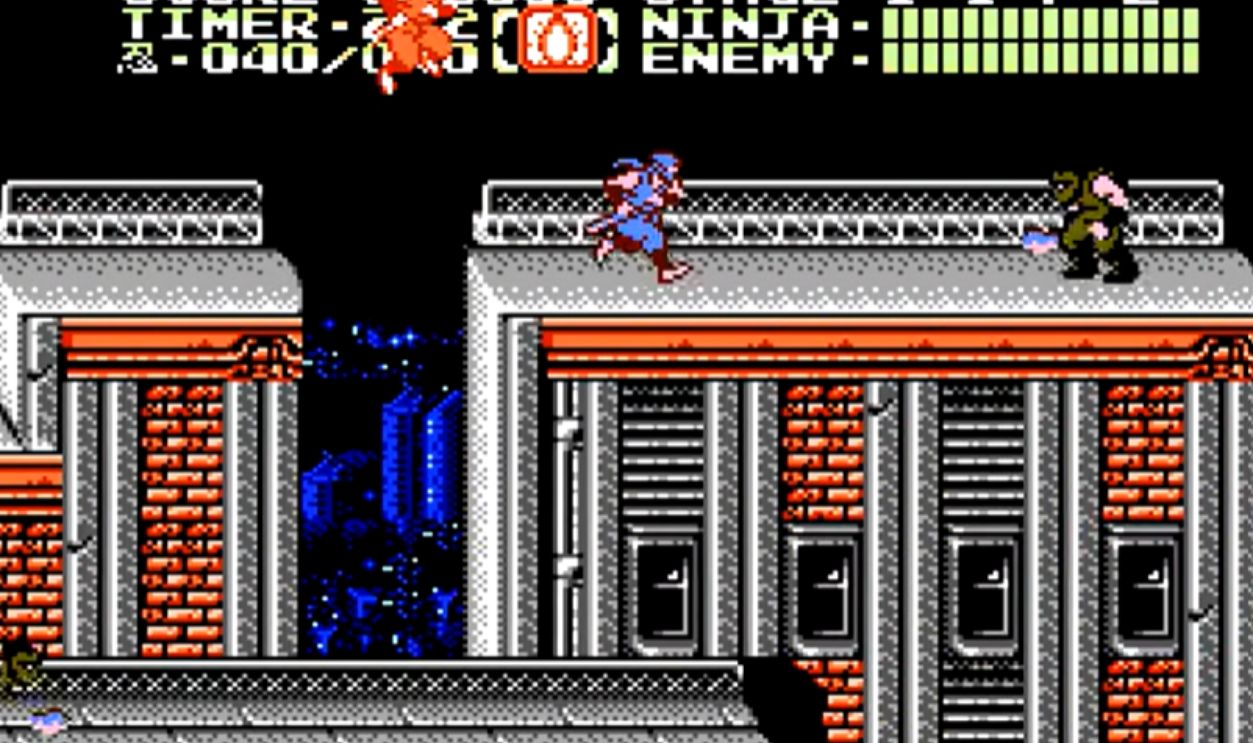
Ninja Gaiden II: The Dark Sword of Chaos (Continued)
Stage 6–2 is considered one of the most notorious levels in NES history, known for a deadly hallway where enemies endlessly appear from both ends. The conveyor belt system introduces movement challenges that transform basic navigation into complex physics problems under intense stress.
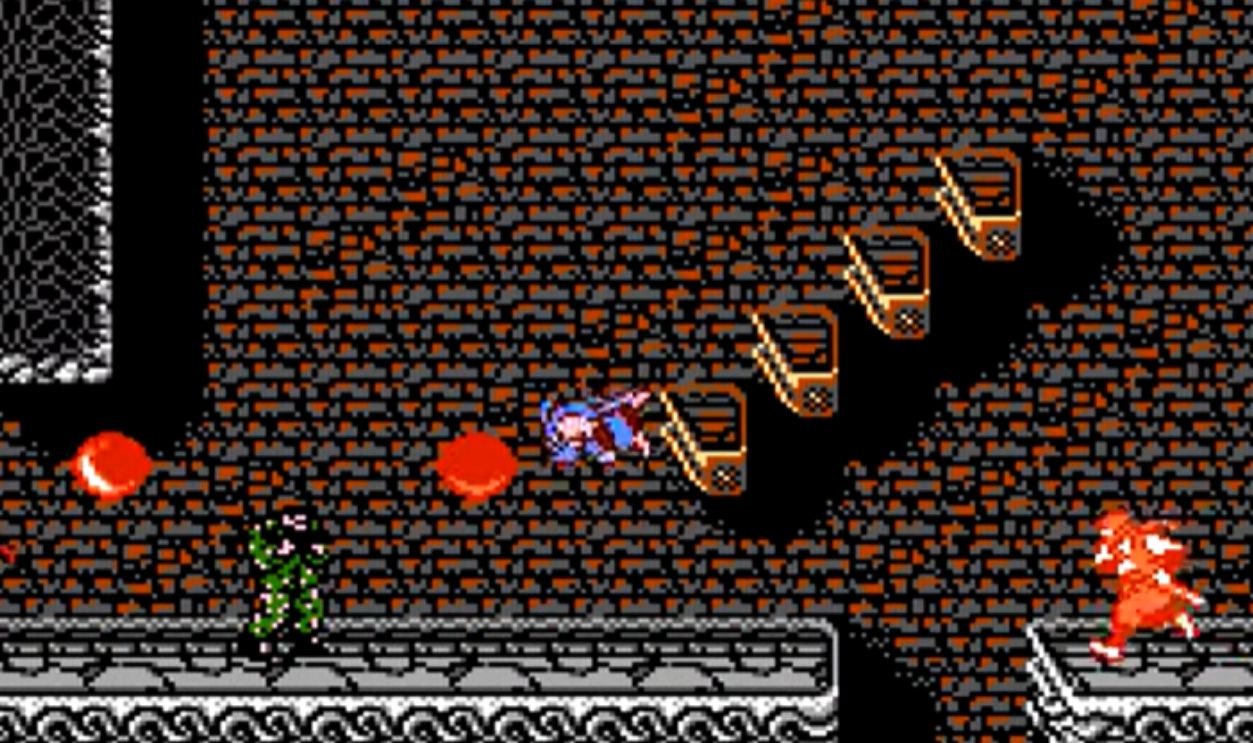
Castlevania
Simon Belmont moves as if he’s stuck in thick syrup while everything else runs at breakneck speed. His whip experiences an infuriating lag between pressing the button and the actual attack. This slow reaction time turns every battle into a timing challenge where muscle memory from other games works against him.
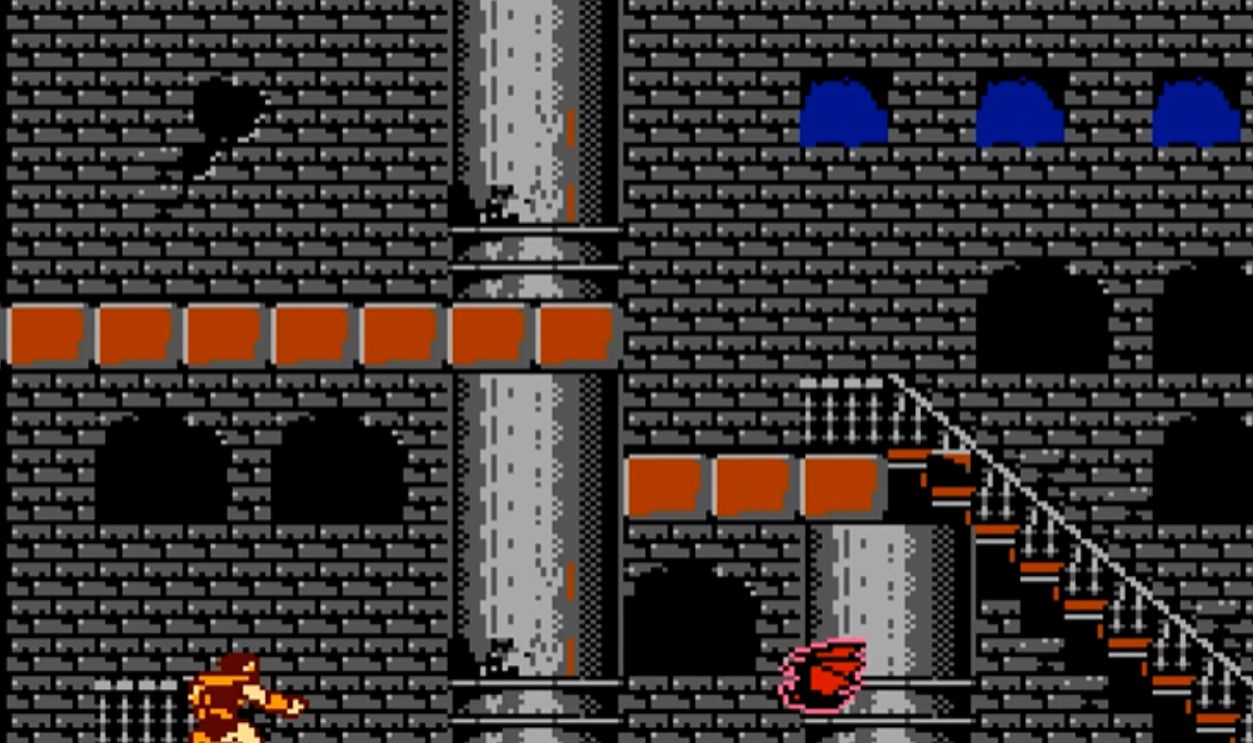
Castlevania (Cont.)
The original 1986 game Castlevania set the stage for the series’ challenging gameplay, particularly through its difficult staircases and battles against Medusa’s head. What makes it different from later games is its unyielding approach to enemy placement, where enemies appear precisely when players are most exposed.
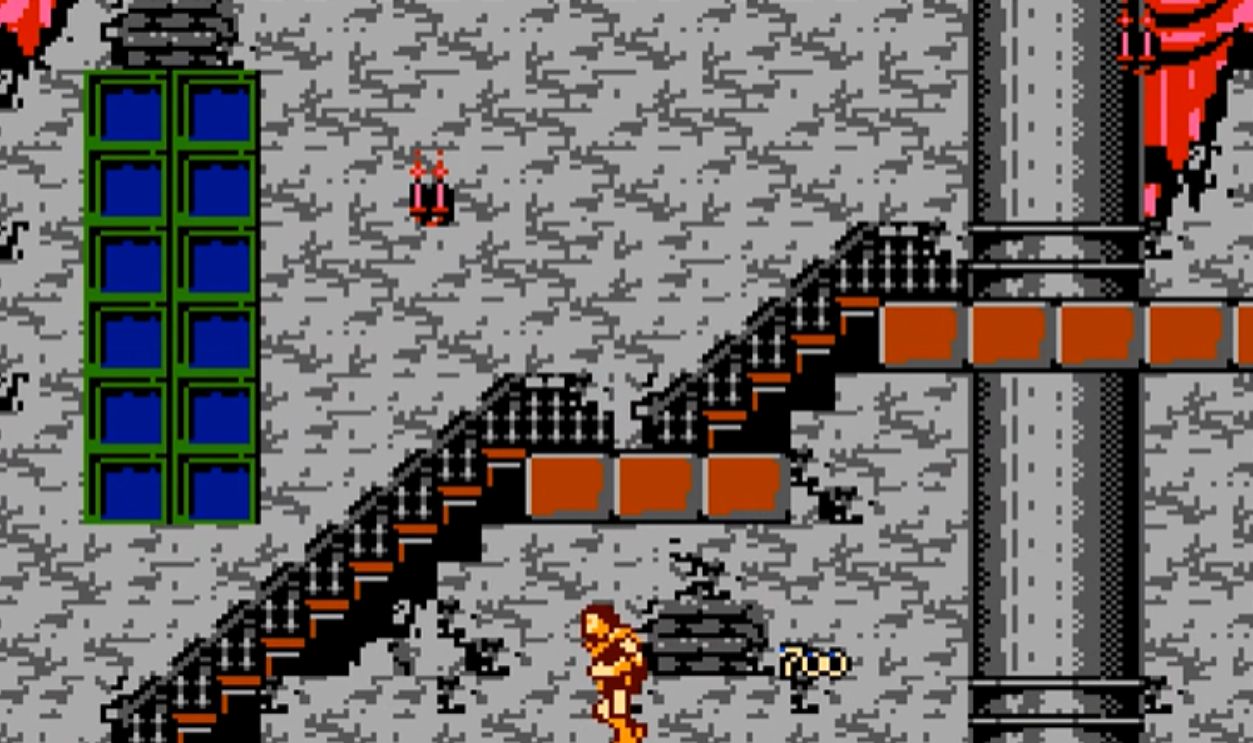
Ikari Warriors
Walking. Ongoing, grueling walking across identical jungle landscapes while bullets cover every visible part of the screen. SNK’s 1987 adaptation turned arcade levels into long-distance endurance challenges that could take up entire afternoons without substantial advancement. In this game, managing ammo is more crucial than shooting accuracy.
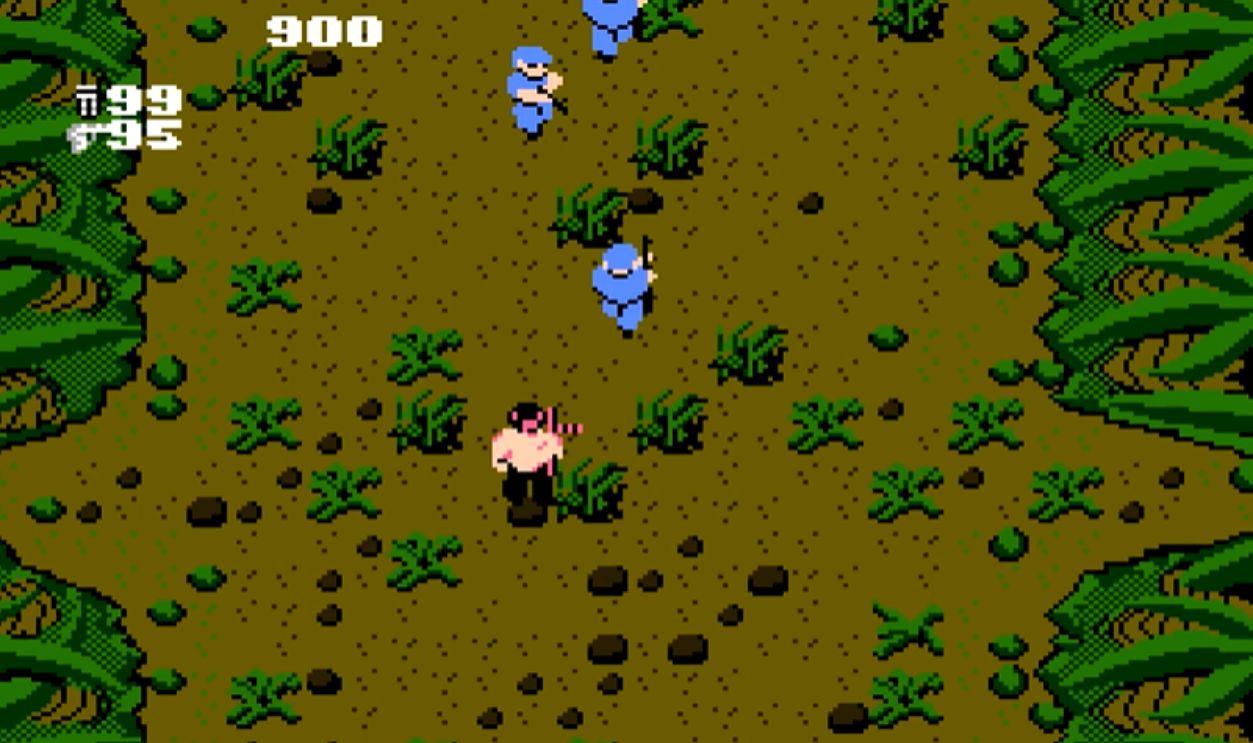
Ikari Warriors (Cont.)
Your troops advance at the pace of tectonic movement while enemy bullets move at the speed of light, creating an unbalanced mobility advantage that shapes every battle. The tank scenes offer a break but deliver only new forms of torment.
The Karate Kid
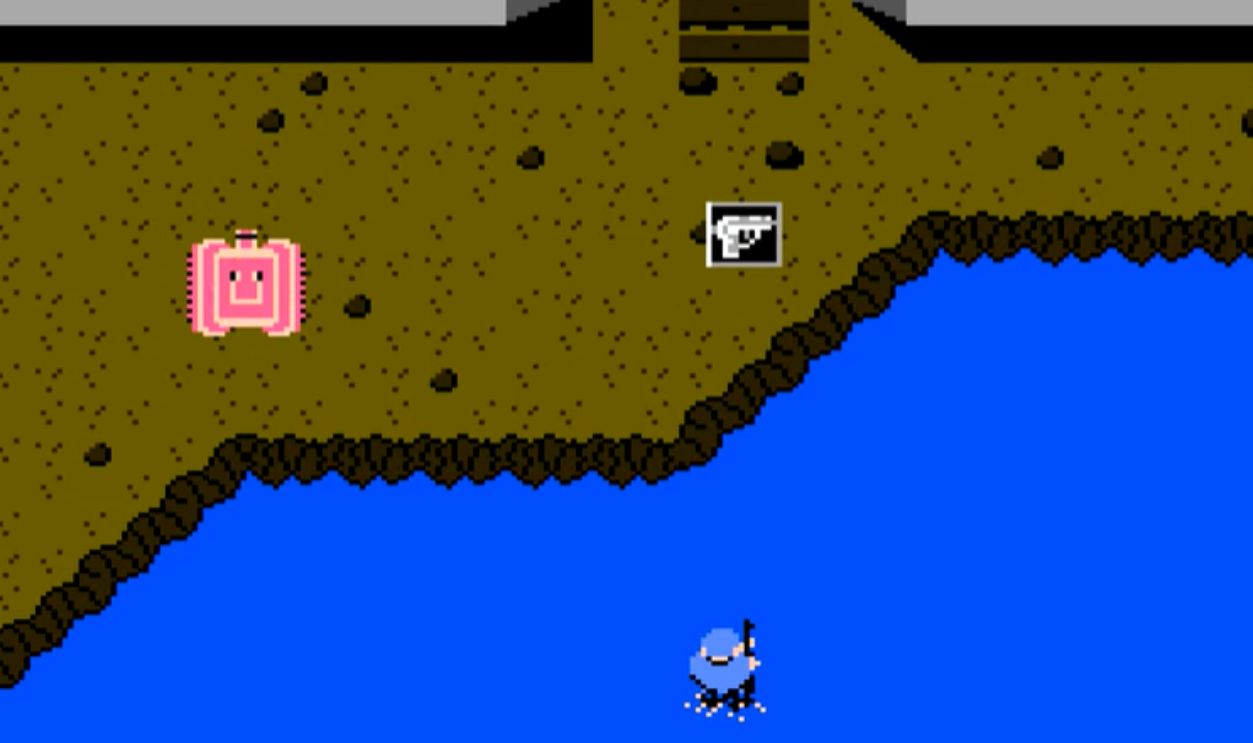
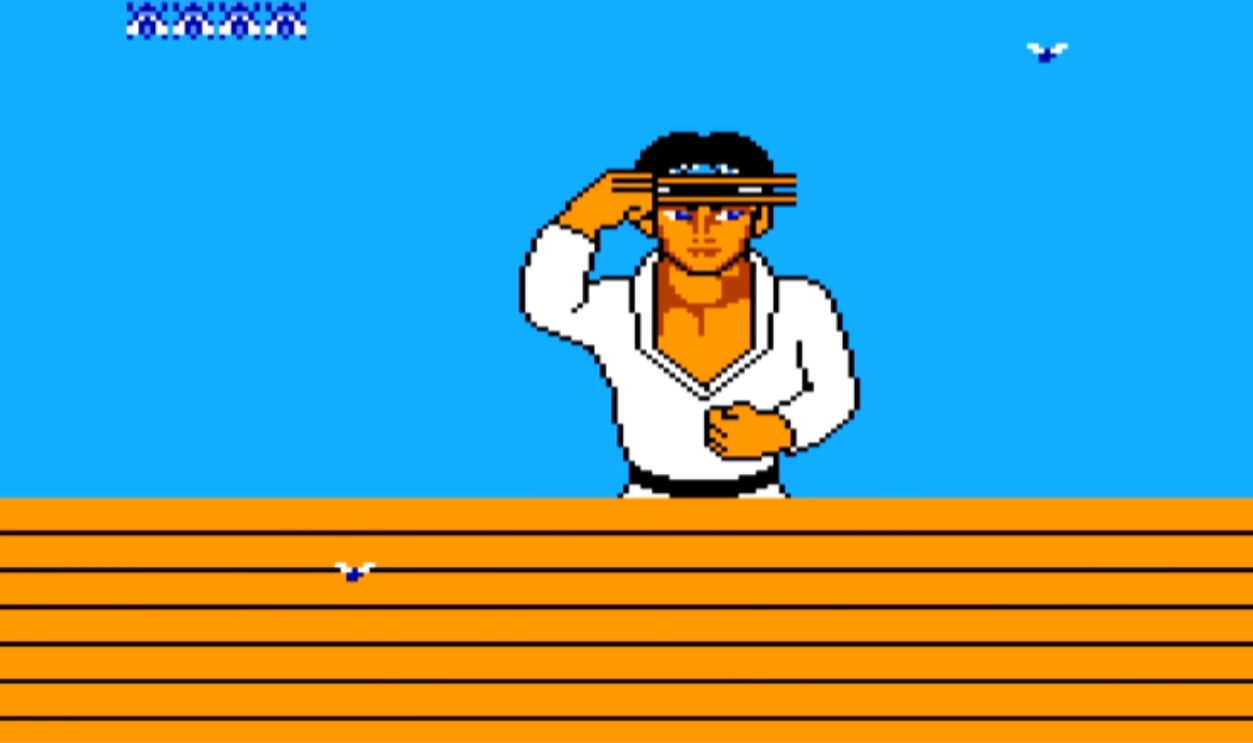
Tournament combat turns into a source of controller-throwing frustration due to collision detection designed by someone who seemingly never observed real martial arts. Daniel-san’s kicks and punches frequently go through enemies without effect. The hit detection functions in a different dimension where being near and making contact are separate from what is visually apparent.
The Karate Kid (Cont.)
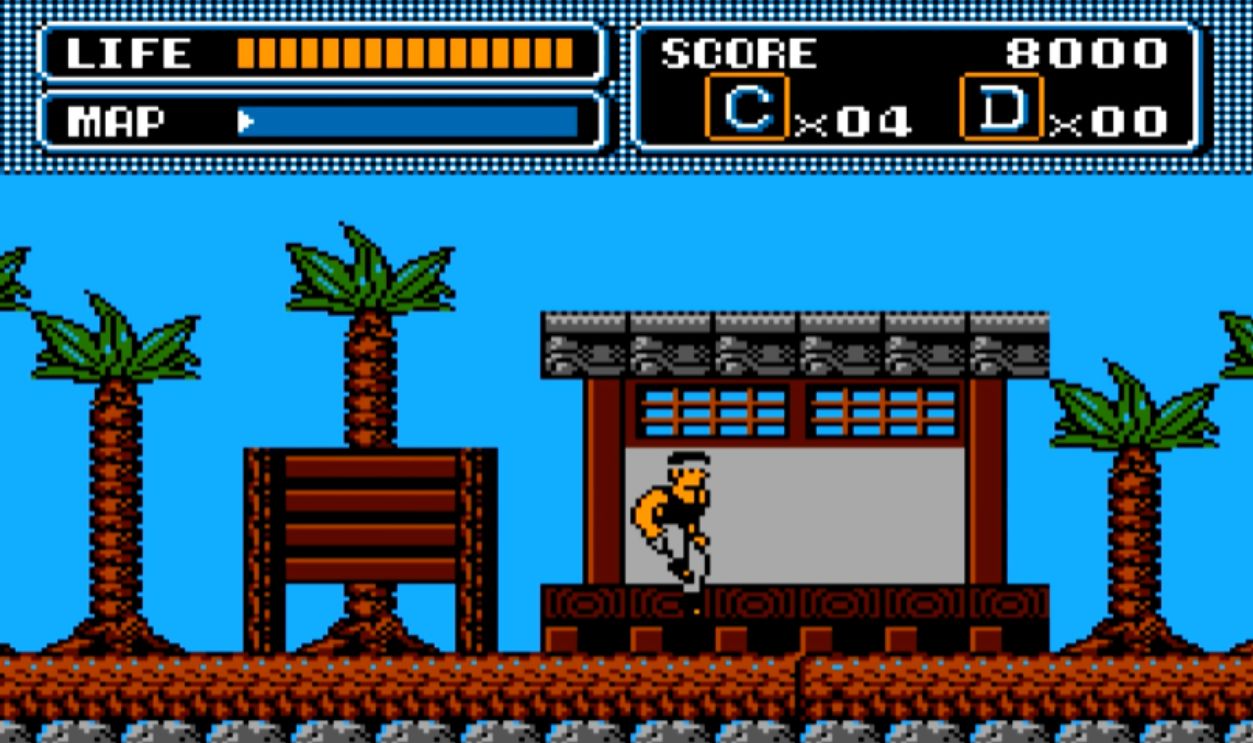
A straightforward punch requires accurate button combinations that need to be performed while enemies are aggressively attacking. The tournament setup doesn’t feature a gradual increase in difficulty, since initial opponents can be just as incredibly skilled as the final bosses. This results in progression feeling unpredictable instead of based on skill.
Friday The 13th
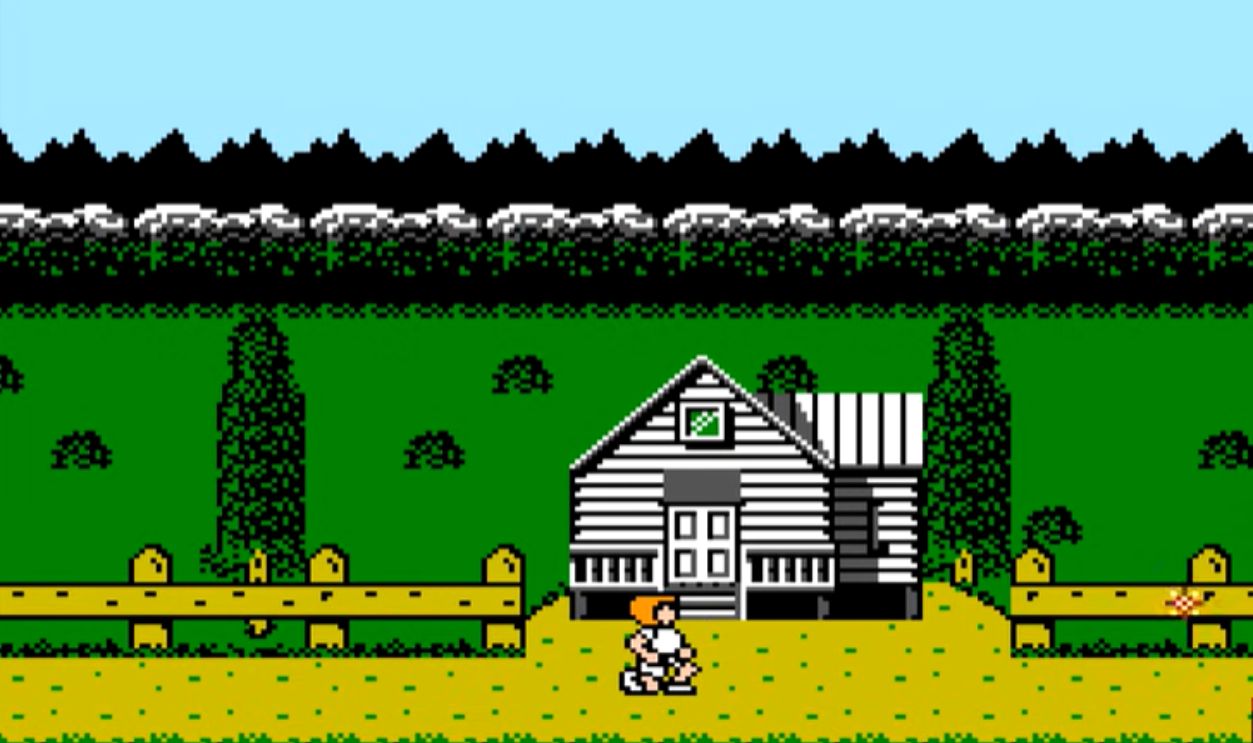
Camp Crystal Lake covers a complicated system of cabins, caves, and woods that all appear the same. The map offers no useful direction. Every cabin interior has the same brown walls and layout, transforming what should be a horror game into a confusing lesson on geography.
Friday The 13th (Cont.)
LJN’s 1989 horror film adaptation makes the critical mistake of making the killer uninteresting while turning survival into a monotonous task. Jason possesses supernatural speed and causes significant harm, yet defeating him involves locating specific weapons spread throughout the map without any clues about their positions.
Dr. Jekyll and Mr. Hyde
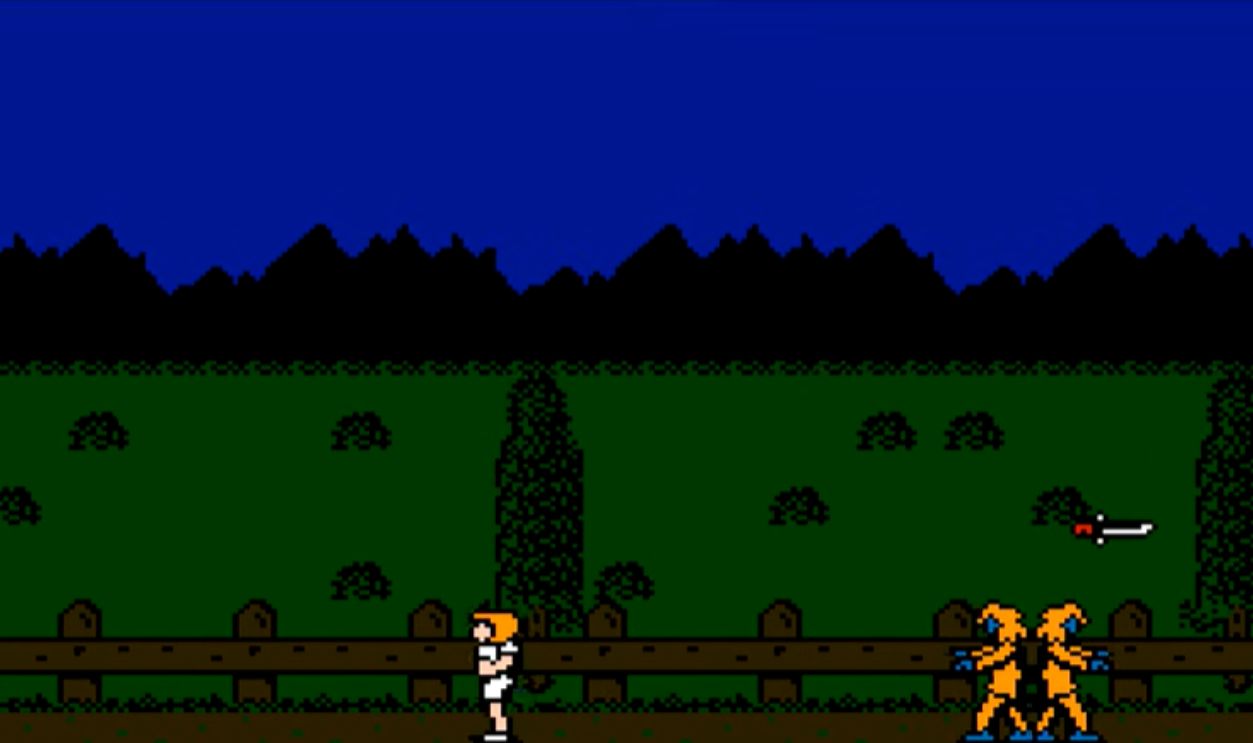
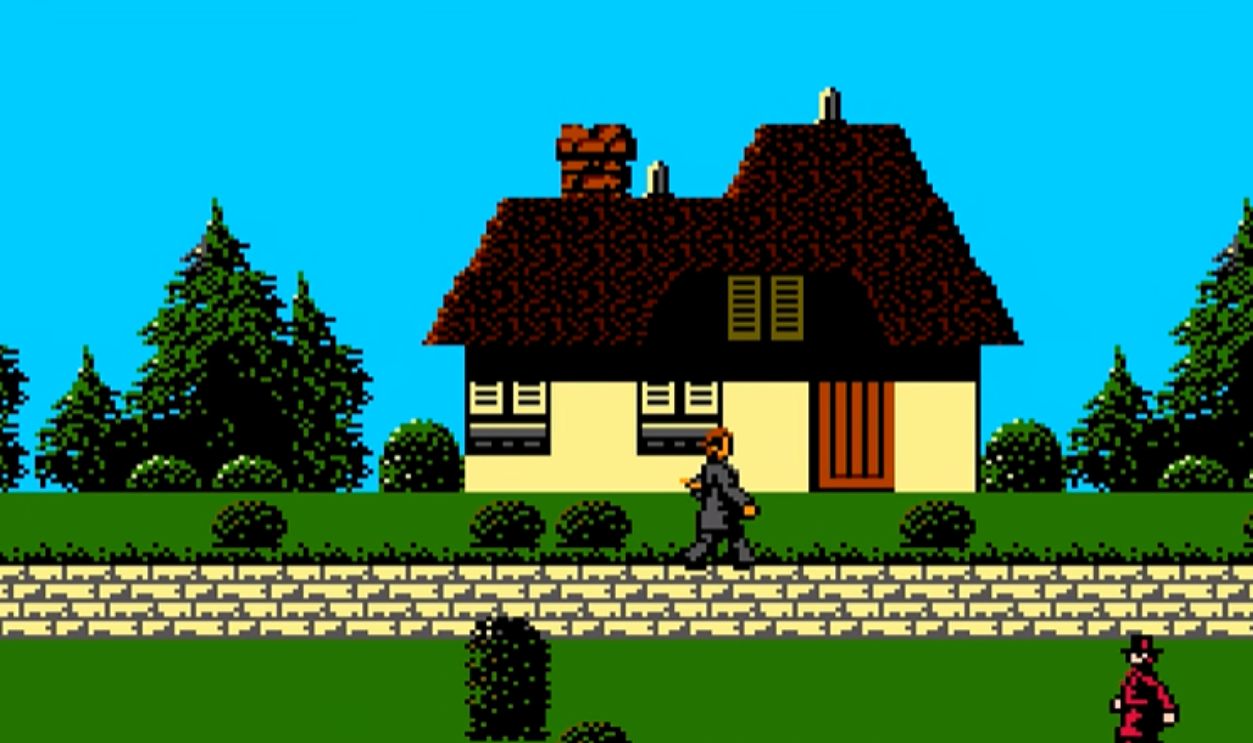
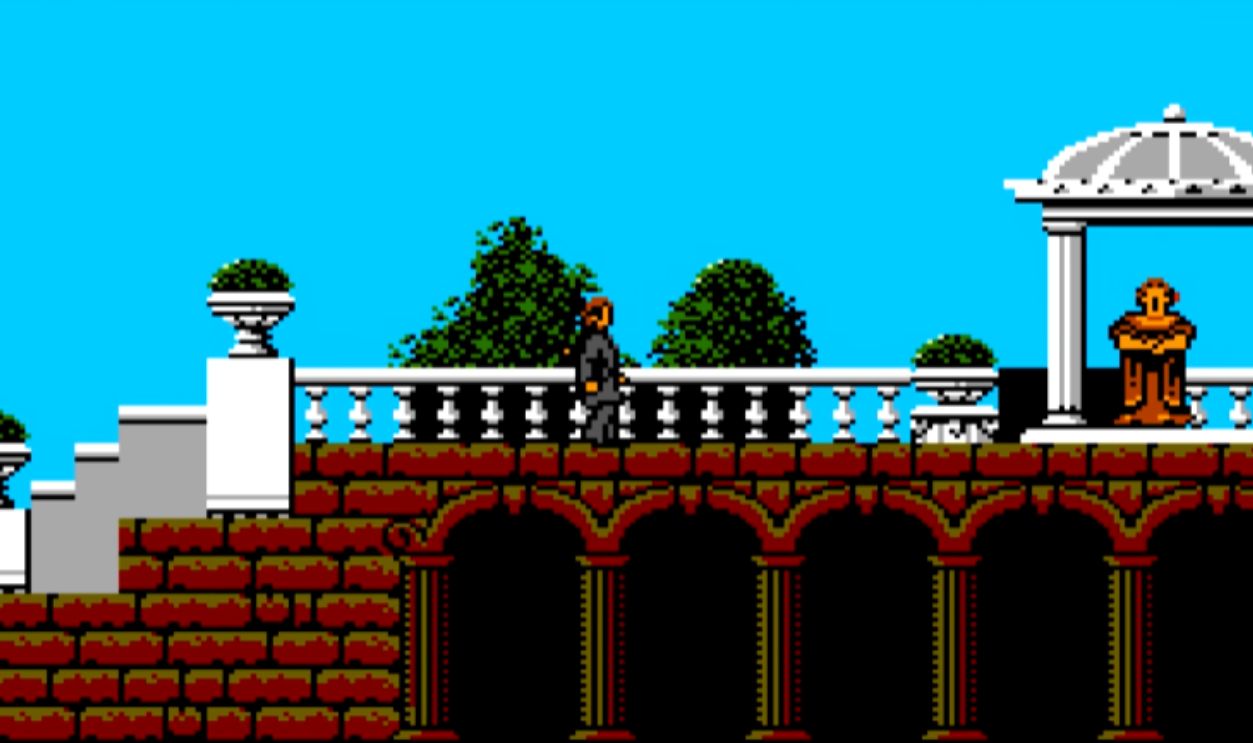
Dr. Jekyll moves at a pace that implies he’s constantly walking through unseen thick syrup. Each resident of Victorian London appears to be set on colliding with him at the most inconvenient times. Thunderclaps occur unexpectedly from cloudless skies, canines assault without cause, and even birds appear to have individual vendettas.
Dr. Jekyll and Mr. Hyde (Continued)
This game embodies all the flaws of licensed NES titles packed into a single cartridge. The “Mr Hyde” segments suggest intense release but only offer various forms of hardship, as the monster moves just as slowly as his human form.
Recca
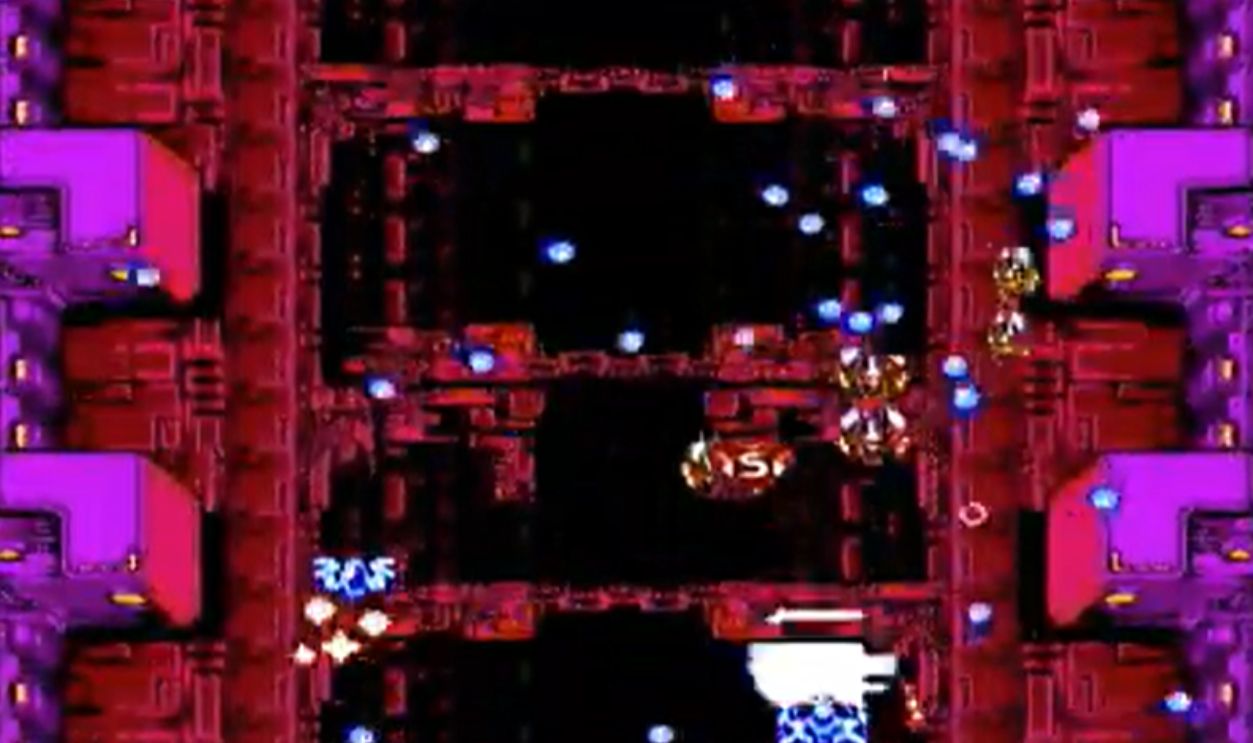
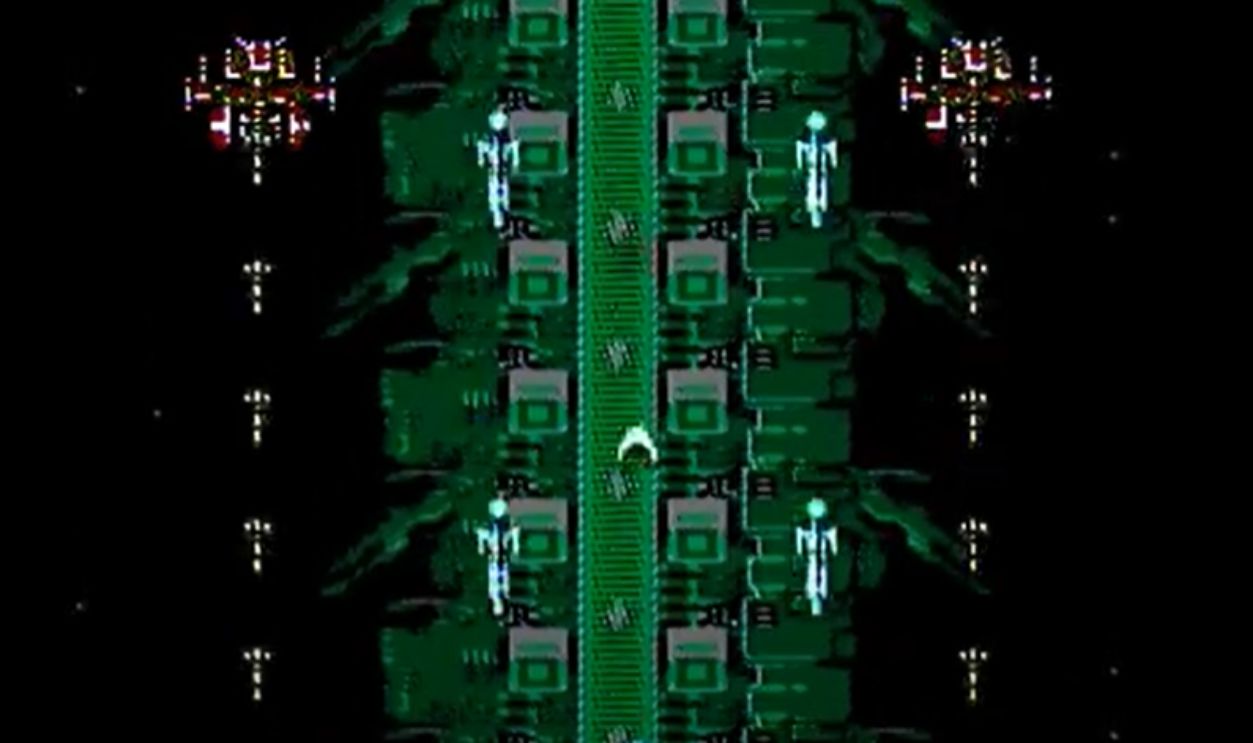
Recca (also referred to as Summer Carnival ’92: Recca) is a difficult, quick-moving vertical shooter for the NES/Famicom, recognized for itshigh speed and intense challengeThe game was initially developed for a Japanese shooting competition and is regarded as one of the most challenging.
Recca (Cont.)
Players take control of the Recca415 vessel, which features five main weapons and various secondary weapons. A distinctive gameplay feature is the charge shield, which captures enemy projectiles when the player pauses shooting and can be exploded to eliminate all enemies on the screen.
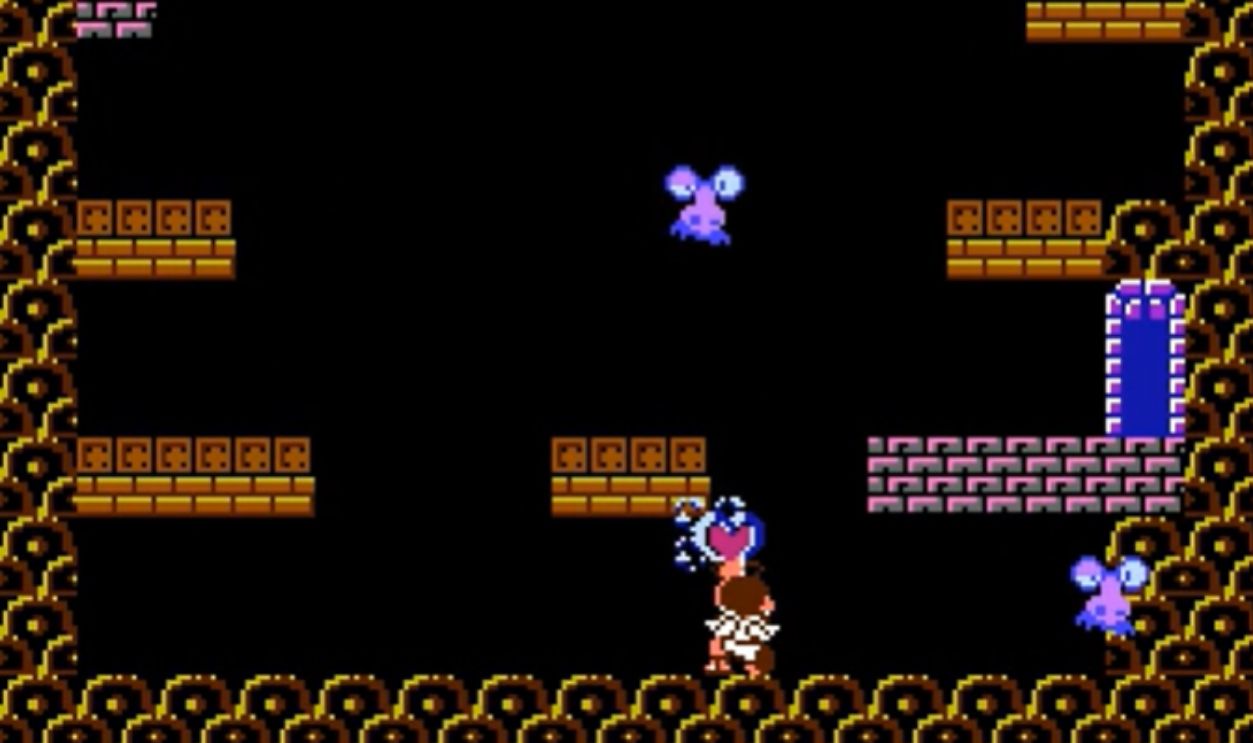
Kid Icarus
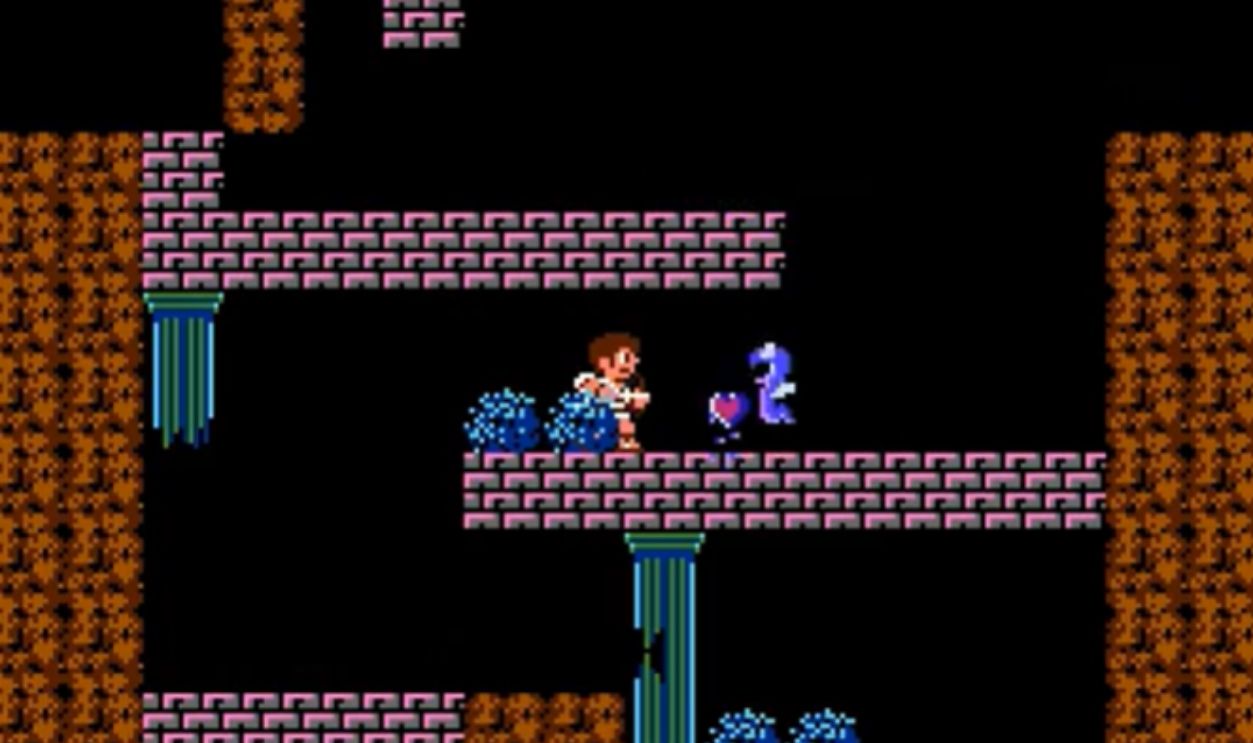
This game combines vertical and horizontal platforming with dungeon exploration. The initial levels, especially the vertically scrolling Underworld sections, are quite tough because of precise platforming challenges alongside limited health and minimal power-ups. Players need to climb while steering clear of deadly drops and tough enemies.
Kid Icarus (Cont.)
Important health and weapon upgrades, like flaming arrows and guard crystals, are essential but demand sufficient points and resource management. Likewise, the complex fortress levels are maze-like and require thorough exploration while evading enemies such as the annoying Eggplant Wizards who take away power-ups.