The Best Backcountry Ski Boots of 2025
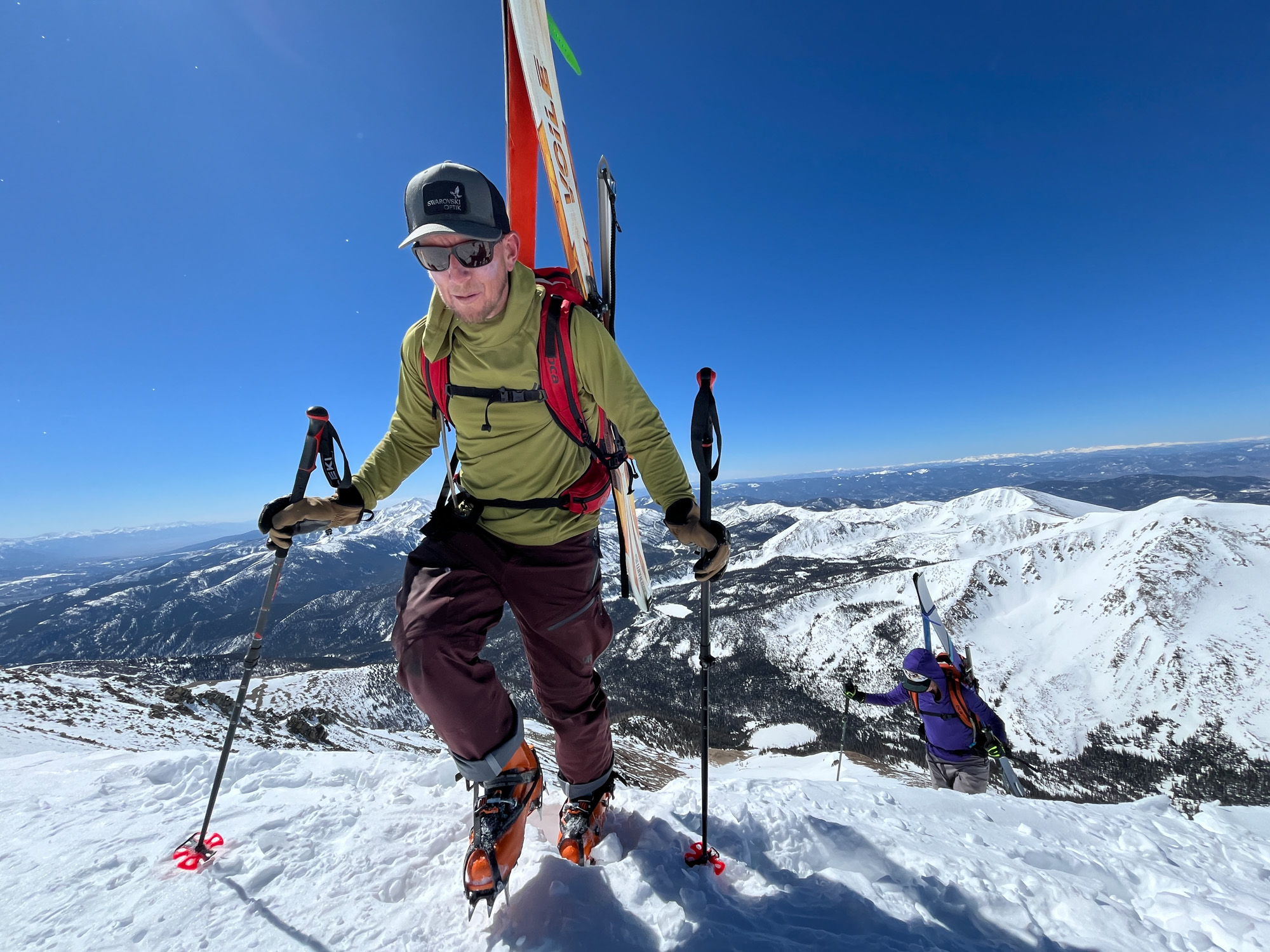
Backcountry skiing is an exhilarating experience that demands the right gear, and nothing is more critical than a reliable pair of boots. Whether you’re navigating steep couloirs or exploring mellow glades, the best backcountry ski boots should offer a perfect balance between uphill efficiency and downhill performance. With the help of expert testers like Ryan Kempfer, a ski tech and boot fitter with over 100 ski days a year, and Chris Kassar, a seasoned backcountry skier, we’ve evaluated a wide range of models to determine the top picks for 2025.
From eco-friendly designs to budget-friendly options, these boots cater to different needs and preferences. Below are some of the standout models, each with its unique strengths and features.
Top Picks for Backcountry Ski Boots
Best Overall Backcountry Ski Boots: Scarpa Maestrale/Maestrale RS
- Rating: 9.8/10
- Price: $637 at evo, $849 at REI
The Scarpa Maestrale has long been a favorite among backcountry enthusiasts, and this year’s update only solidifies its reputation. With a redesigned last, improved fit, and enhanced comfort, the Maestrale offers a seamless blend of uphill performance and downhill power. The Intuition liner ensures warmth and stability, while the updated walk/ski mechanism makes transitions smoother. Whether you’re tackling long tours in the Tetons or enjoying a day on the slopes, the Maestrale is a versatile choice that delivers on all fronts.
Pros:
– Ultimate balance between uphill and downhill performance
– Eco-friendly materials
– All-day comfort
Cons:
– Limited range of motion in walk mode
Best Overall Women’s Backcountry Ski Boots: Scarpa Gea
- Rating: 9.8/10
- Price: $799 at evo, $849 at REI
Designed specifically for women, the Scarpa Gea offers a lightweight build and exceptional comfort. Its 60-degree walk mode makes skinning smooth and efficient, while the Intuition liner provides a snug fit. The Wave Closure system ensures secure fastening without the hassle of multiple buckles. For those seeking more power, the Gea RS variant increases the flex rating, making it ideal for aggressive skiers.
Pros:
– Lightweight and comfortable
– Smooth walk mode
– Supportive Intuition liner
Cons:
– Liner may pack out quickly with heavy use
Best Budget Backcountry Ski Boots: Roxa R3 130 TI I.R.
- Rating: 7.2/10
- Price: Check price at Backcountry
The Roxa R3 130 TI I.R. is a solid option for skiers who prioritize downhill performance over uphill efficiency. Its 130 flex rating delivers powerful downhill capabilities, making it suitable for big mountain lines and aggressive terrain. However, the limited range of motion in walk mode can make long approaches tiring. Despite this, the R3 is a reliable choice for those who split their time between lifts and shorter backcountry trips.
Pros:
– High-performance downhill capabilities
– Durable construction
Cons:
– Limited range of motion in walk mode
Best Lightweight Backcountry Ski Boots: Dynafit TLT X
- Rating: 9.1/10
- Price: Check price at Backcountry (men’s/women’s)
The Dynafit TLT X is a lightweight powerhouse designed for long tours and fast missions. Its 101 mm last offers a roomy fit, while the Twistfit closure system ensures a secure and adjustable fit. The TLT X excels on the skin track, offering a wide range of motion and efficient transitions. While it may not be the stiffest boot, it strikes a great balance between uphill speed and downhill control.
Pros:
– Excellent range of motion
– Comfortable and efficient
Cons:
– May feel too soft for aggressive skiers
Most Versatile Backcountry Ski Boots: Atomic Backland XTD Carbon
- Rating: 8.5/10
- Price: $900 at evo (men’s/women’s)
The Atomic Backland XTD Carbon is a versatile option that performs well in a variety of conditions. Its carbon-infused shell provides stiffness and responsiveness, while the 3D Platinum Tour Liner ensures all-day comfort. The boot is easy to transition between walk and ski modes, making it ideal for multi-day missions and mixed terrain. It’s a great choice for skiers who want one boot to handle everything from dawn patrols to powder days.
Pros:
– Comfortable yet powerful
– Easy to operate ski-walk mode
Cons:
– Not ideal for narrow feet
Other Notable Models
Scarpa F1 LT
- Rating: 8.0/10
- Price: $949 at REI/EVO
The Scarpa F1 LT is a near-perfect match for skiers who prioritize long climbs and efficient transitions. Its lightweight design and BOA closure system make it ideal for frequent backcountry use. While it may not be the stiffest boot, it offers excellent downhill performance for its weight.
Pros:
– Lightweight and efficient
– Excellent downhill performance
Cons:
– Narrow toebox may not suit wider feet
Atomic Hawx Prime XTD 130
- Rating: 7.0/10
- Price: $950 at evo
The Atomic Hawx Prime XTD 130 is built for downhill performance, offering a 130 flex rating and a sturdy build. However, its heaviness and limited walk mode make it less ideal for long tours. It’s better suited for skiers who spend most of their time on the slopes and occasionally venture into the backcountry.
Pros:
– Powerful downhill performance
– Sturdy build
Cons:
– Heavy for touring
K2 Mindbender 140 BOA
- Rating: 6.8/10
- Price: $950 at evo
The K2 Mindbender 140 BOA is a high-performance hybrid boot designed for aggressive skiers. Its 140 flex rating delivers immense power and control, making it ideal for deep powder and technical terrain. However, its weight and stiffness make it less efficient for long tours.
Pros:
– Extremely high downhill performance
– Versatile and comfortable
Cons:
– Heavy and less efficient for touring
Tecnica Zero G Tour Pro
- Rating: 7.8/10
- Price: $980 at evo
The Tecnica Zero G Tour Pro is a lightweight option that excels on the skin track. Its 99 mm last and four-buckle design offer a snug fit, but the thin liner may not provide enough warmth for colder conditions. It’s best suited for skiers who prioritize weight savings and long traverses.
Pros:
– Lightweight and efficient
– Improved fit
Cons:
– Thin liner may lead to cold feet
La Sportiva Kilo
- Rating: 8.3/10
- Price: Check price at Backcountry/La Sportiva
The La Sportiva Kilo is a lightweight tour boot that offers a class-leading range of motion and efficient climbing. Its 100.5 mm last and smooth flex make it ideal for long approaches and powder missions. While it may not be the stiffest boot, it strikes a good balance between weight and performance.
Pros:
– Super lightweight
– Excellent range of motion
Cons:
– Not as torsionally stiff as heavier models
How We Tested the Best Backcountry Ski Boots
To determine the best backcountry ski boots, we conducted extensive testing across various terrains and conditions. Our team evaluated each model based on several key factors, including:
- Uphill Performance: How smoothly and efficiently the boot climbs, from skintrack glide to steep ascents.
- Downhill Performance: The power, stability, and control delivered during descents.
- Comfort/Fit: Warmth, liner quality, and how well the boot performs over long days without hotspots or pain.
- Weight: Both the actual weight and how the boot feels after thousands of steps.
We tested each pair straight out of the box, without modifications, to ensure an accurate assessment of their performance. We also considered the type of skier and conditions each boot is best suited for, ensuring our recommendations cover a wide range of needs.
Buyer’s Guide: How to Choose the Best Backcountry Ski Boots
Choosing the right backcountry ski boots involves considering several factors, including:
- Fit and Comfort: A proper fit is crucial for both performance and enjoyment. Try on a variety of boots and consider the last width (toebox size) that suits your feet.
- Type of Boots: Determine whether you need a true backcountry boot, a crossover model, or something else based on your skiing style and frequency.
- Uphill Touring Performance: Look for boots with a wide range of motion and efficient transitions for long climbs.
- Downhill Skiing Performance: Consider the flex rating and overall stiffness for better control and power on descents.
- Weight: Lighter boots are ideal for long tours, while heavier models offer more support and power.
- Warmth: Pay attention to the liner quality, especially if you ski in colder conditions.
- Price & Value: While price isn’t always an indicator of quality, finding a boot that works for your foot and priorities is essential.
Frequently Asked Questions
How are backcountry ski boots different than downhill ski boots?
Backcountry ski boots have two modes: one for touring (uphill) and one for downhill. They feature a tour/walk mode that allows a wider range of motion and a more comfortable forward stride compared to traditional downhill boots.
What’s the difference between alpine touring and backcountry skiing?
These terms are often used interchangeably, as both involve skiing outside of patrolled areas.
What’s the difference between cross-country skiing and backcountry skiing?
Cross-country skiing is typically done on gentle terrain with long, skinny skis, while backcountry skiing involves more varied and challenging terrain, often requiring climbing skins and specialized equipment.
Can I use normal ski boots for backcountry skiing/touring?
It depends on the bindings. Tech or pin bindings are designed for backcountry use, while alpine bindings are not suitable for uphill travel.
Will my backcountry ski boots work with all bindings?
Not all backcountry ski boots are compatible with all bindings, so it’s important to check before purchasing.
By carefully considering these factors and selecting the right pair of boots, you can enhance your backcountry skiing experience and enjoy every moment on the snow. Whether you’re chasing powder or exploring remote peaks, the right boots will make all the difference.