The 30-day emergency authority that President Donald Trump had over D.C. police officially ended on Wednesday, removing his ability to command Mayor Muriel E. Bowser (D) to supply him with any police services he considers essential — a development that Bowser has highlighted as crucial for the city.
But as Trump’s extraordinary use of presidential power over public safety in the nation’s capital comes to an end, other significant actions in the city, such as the deployment of the National Guard and strict immigration enforcement, may still persist. D.C. will also continue to be especially susceptible to federal influence — as shown byactions in Congresson Wednesday, as legislators reviewed a set of bills aimed at reforming the city’s criminal justice system and imposing more limitations on its already restricted home rule.
The outcome for D.C. residents and leaders will be a tense shift, as doubts remain regarding the actual changes experienced by residents following the emergency’s conclusion. During a press briefing on Wednesday, Bowser highlighted that her administration continues to prioritize public safety — but what is altering is the president’s ability to direct her police department through a particular section of theHome Rule Act, the law that provides the city with its restricted form of self-rule.
Our public safety mission remains the same,” Bowser stated. “What changes with the end of the emergency is the Home Rule charter, Section 740, which … requires the mayor to supply [D.C. police] services.
Bowser issued a mayoral directive last weekcreating what she views as the city’s exit strategy from Trump’s emergency declaration: an “emergency operations center” that establishes structured collaboration between D.C. and federal law enforcement entities that typically partner with local police — but specifically does not include Immigration and Customs Enforcement in the list of agencies to engage with.
The arrangement appeared to have achieved Bowser’s desired outcome. The White House and Congress soonstepped back from promises to expand Trump’s emergency, apparently content with her proposal of ongoing collaboration.
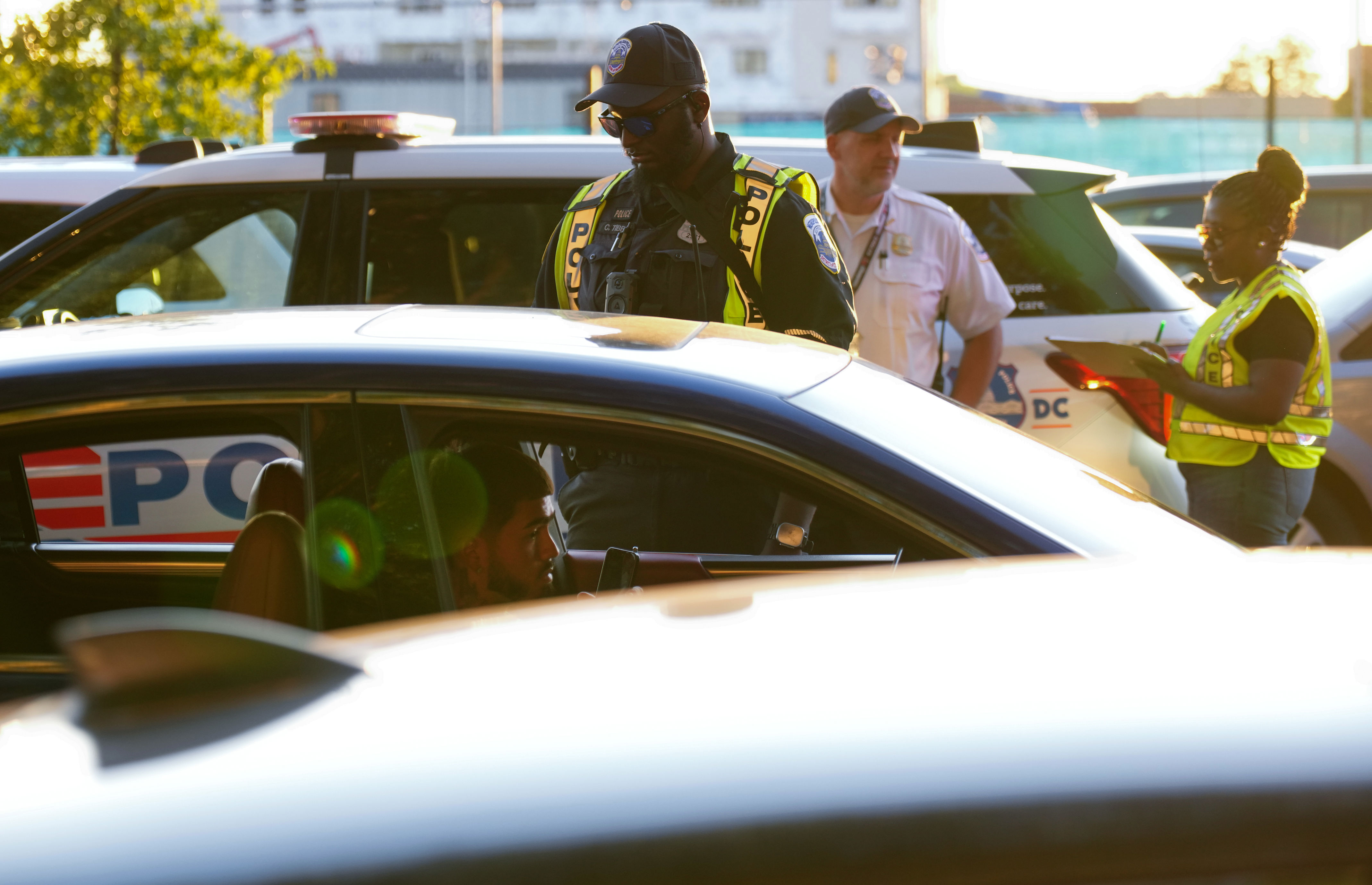
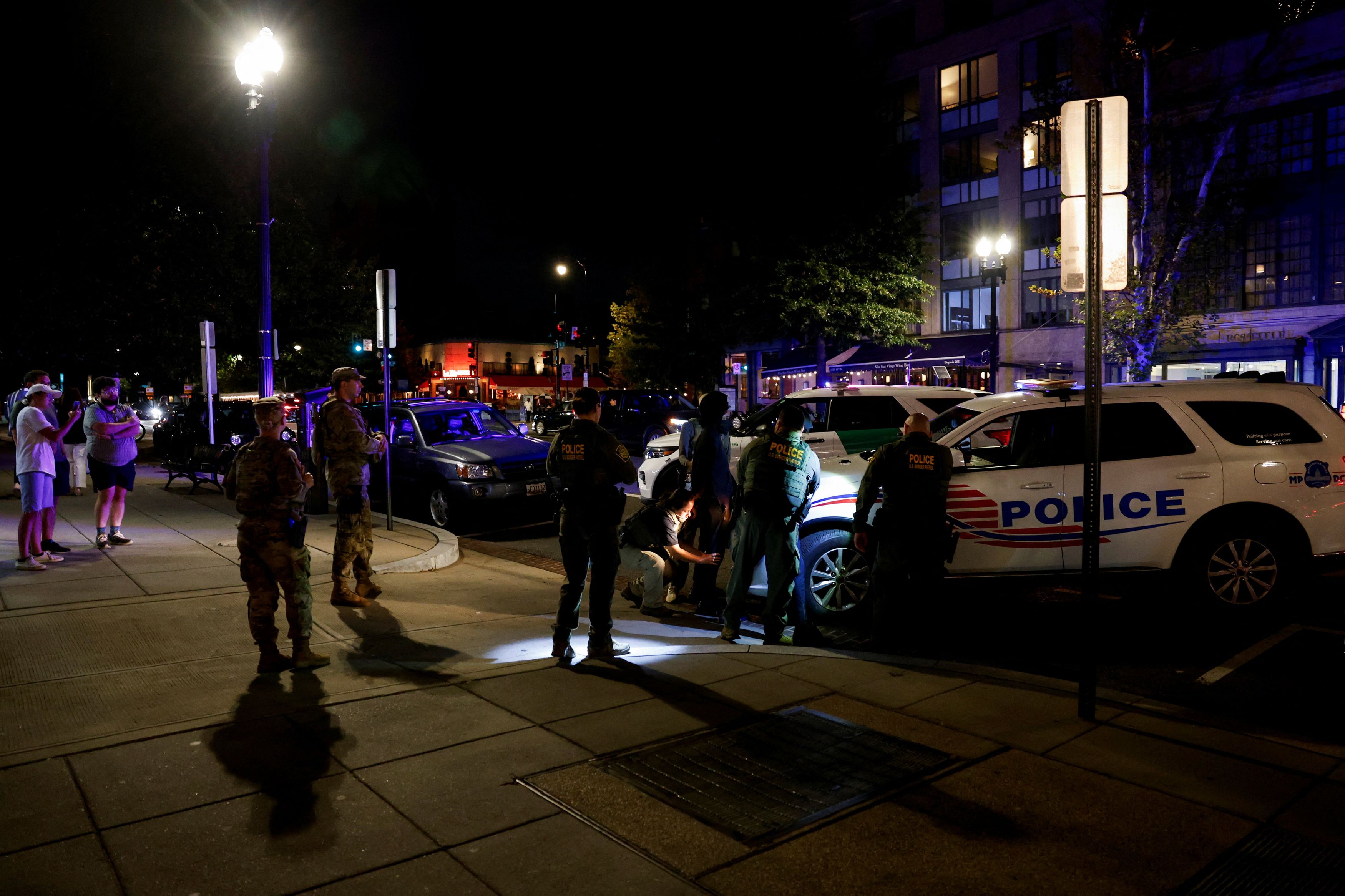
However, outside the emergency operations center, ICE still holds significant power to detain residents of D.C., irrespective of local policies. On Wednesday, Bowser generally stated that her police department would not prioritize immigration enforcement once the emergency concludes, pointing out that a new D.C. police policy permitting officers to aid ICE in specific situations was connected to the presidential emergency. For the past month, police have often been seen patrolling alongside ICE agents.
Trump announced his D.C. emergency on August 11, using the section of the Home Rule Act that allows the president to order the D.C. mayor to supply “such services of the Metropolitan Police force as the President may consider necessary and suitable” for a maximum of 30 days, or more if Congress approves. The mayor is required to “provide” these services — leaving the city with no option but to follow through.
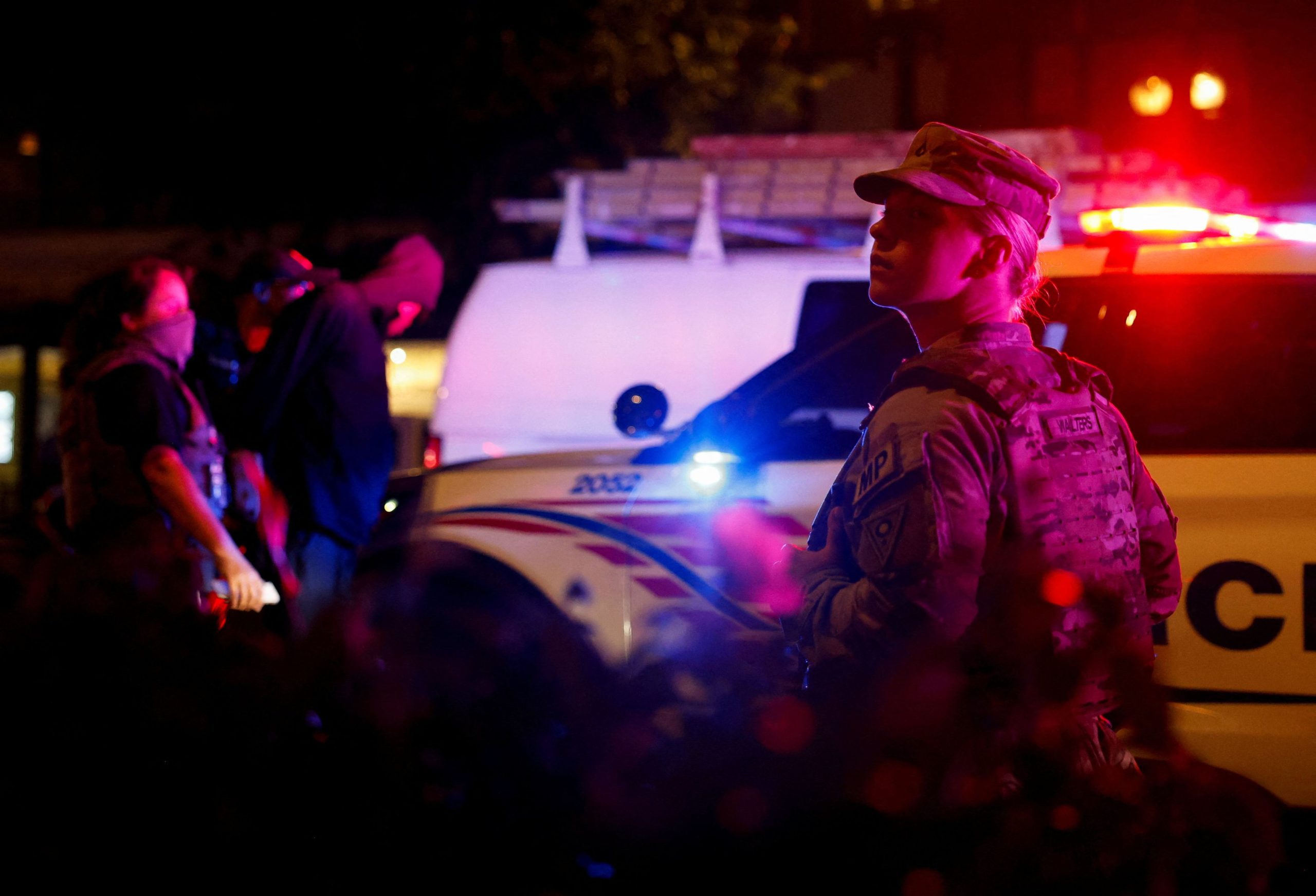
In addition to the emergency declaration, Trump also increased the presence of federal law enforcement in the District and deployed the D.C. National Guard, which is under his authority.
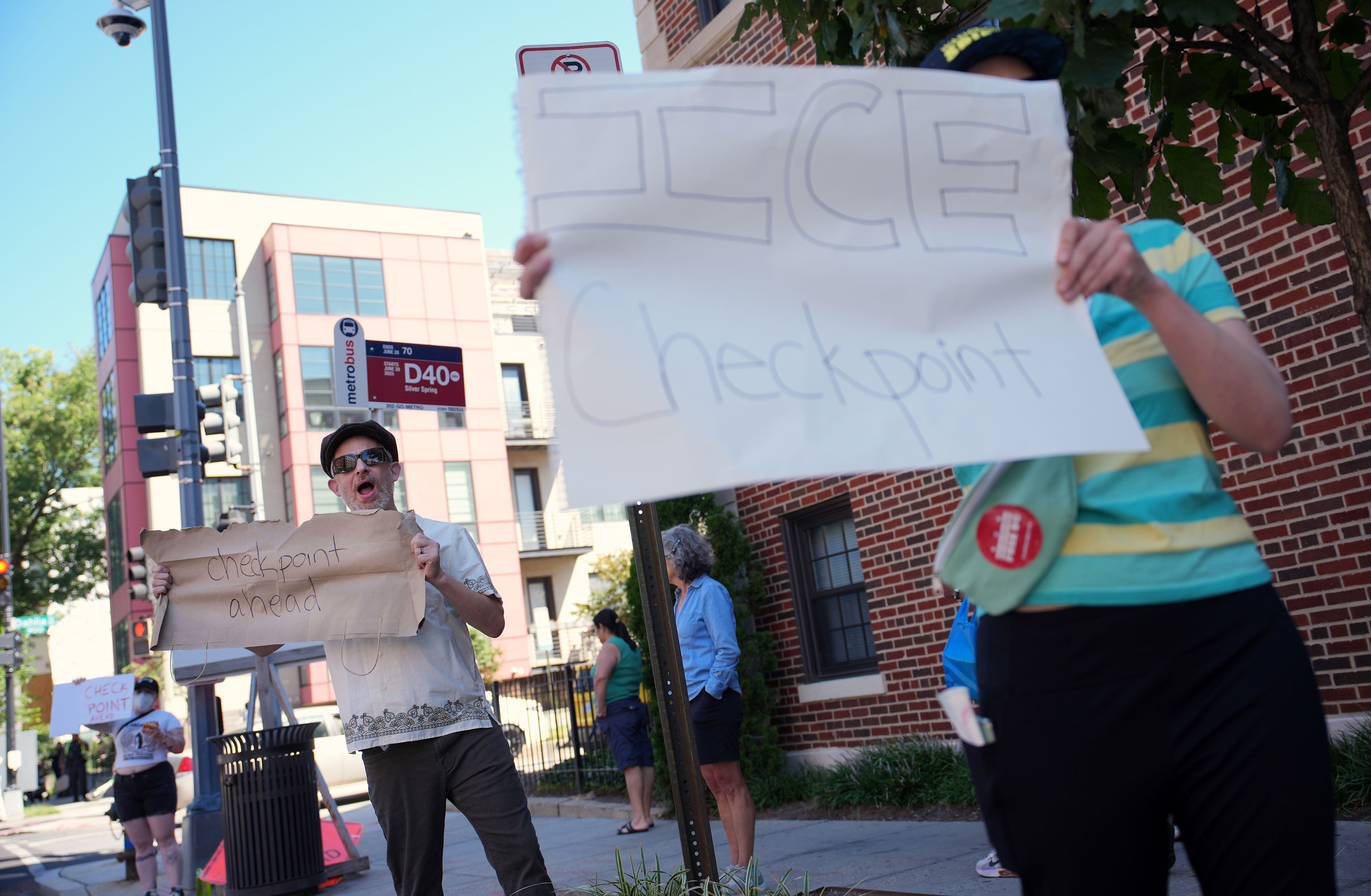
The city appeared different to its residents during the crisis. D.C. police collaborated with federal authorities to confiscate illicit firearms andmake other arrests— an intensification of the long-standing, regular cooperation between D.C. and federal authorities. National Guard forces from the District and various states led by Republican governorsmarked the city’s Metro stationsand popular areas along the National Mall. D.C.’s court systemremained awake beyond normal time limitsunder a heavy load of legal actions. And many localsresponded with defianceagainst what they perceived as excessive federal authority, recording and shouting at masked ICE officers andgathering in large numbers for a demonstration last weekend.
Trump, outside a D.C. restaurantOn Tuesday evening, he stated that his intervention was successful.
“It’s a secure city. I simply want to express my gratitude to the National Guard. We enjoyed collaborating with the mayor and the chief, and we all worked as a team, resulting in an impressive outcome. We have a capital that is extremely safe at this time,” he stated.
As for the fate of the National Guard,whose implementation in D.C. might extend for several more months,Bowser mentioned that she believed the deployment would decrease as people become weary of it. Internal documents, reviewed andcovered by The Washington Post, indicated that military officials have been informed about the occasionally negative public opinions regarding their D.C. operations — and are conscious of the dangers that the domestic mobilization presents to Americans’ confidence in the military.
My feeling is that people will become tired,” Bowser stated. “Guard members, the states where individuals have departed — they will grow weary and want to understand that they are fulfilling their mission. I believe there will be a beneficial period for such a deployment in the District, and I think this beneficial period is nearing its conclusion.
In one of the most contentious changes this month for residents, the connection between D.C. police and ICE evolved during the emergency period, causing concern among many in the strongly liberal city where local laws and police policies prohibit officers from enforcing immigration regulations.
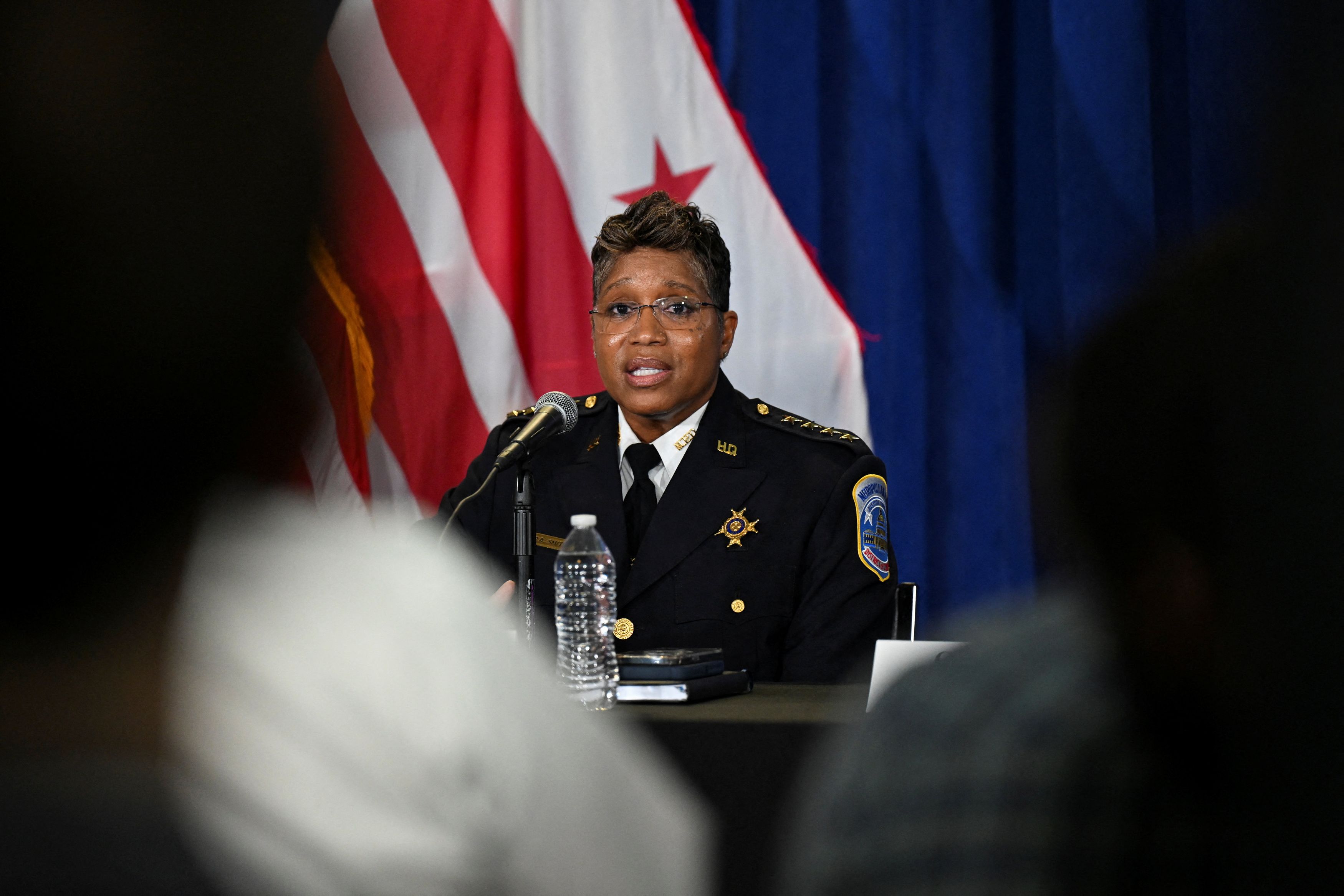
During the initial week of the crisis, D.C. Police Chief Pamela A. Smith issued a directive thatofficers could be permitted to assist ICETransporting detainees and sharing information with ICE about individuals not in D.C. police custody, including during traffic stops. A department spokesperson described the change as a clarification and highlighted that other D.C. police policies that prevent cooperation with ICE are still in place. However, the order caused concern among the city’s immigrant communities and advocates.
Late that same day, Smith issued her directive, and U.S. Attorney General Pam Bondi — Trump’s nominee for seeking D.C.’s assistance during the emergency — issued her own order, unhappy with Smith’s policy adjustment. Bondi called for “full cooperation” from D.C. police in immigration enforcement, revoking Smith’s new directive and aiming to halt several D.C. police policies that prevent the department from sharing data with immigration officials. City officials contested Bondi’s order in a legal action, and although a judge suggested that the city…would likely have to follow throughIn light of Bondi’s requests, the court did not provide a conclusive decision.
Although the legal issue remained unresolved, the department’s apparent shift in approach unfolded on the streets of the District, where ICE officers joined D.C. police in enforcing traffic laws against moped drivers delivering food, many of whom are immigrants. The joint patrols changed routine traffic enforcement — which previously often led to immediate releases during Trump’s emergency —to a system where moped riders end up in ICE custody.
Now that the emergency has ended, the Trump administration can no longer force D.C. police to assist ICE, Bowser stated. During her Wednesday press briefing, she highlighted that immigration enforcement would not be a priority for local law enforcement.
“Immigration enforcement is not what [the Metropolitan Police Department] is responsible for. And once the emergency ends, it won’t be something the MPD will handle in the future,” Bowser stated.
Although the mayor did not explicitly state that the police chief would revoke her directive regarding cooperation with ICE, she mentioned on Wednesday that the order “pertains to the emergency, and the emergency has ended.”
The Trump administration sought additional services from D.C. during the crisis, according to officials from Bowser, although neither the mayor’s office nor the White House has provided a complete list.
In reply to a query from The Post regarding those particular requests, D.C. Deputy Mayor for Public Safety and Justice Lindsey Appiah provided a general statement on adherence to Bondi’s directive.
During the presidential emergency, the District collaborated with U.S. Attorney General Pamela Bondi and her representative to provide the services of the Metropolitan Police Department as outlined in the Attorney General’s order issued on August 15,” Appiah stated. “The services mentioned in the order involved helping enforce federal immigration laws; assisting in finding, arresting, and detaining individuals who are illegally in the United States; requesting information from a federal law enforcement agency; and enforcing unlawful occupation of public areas.
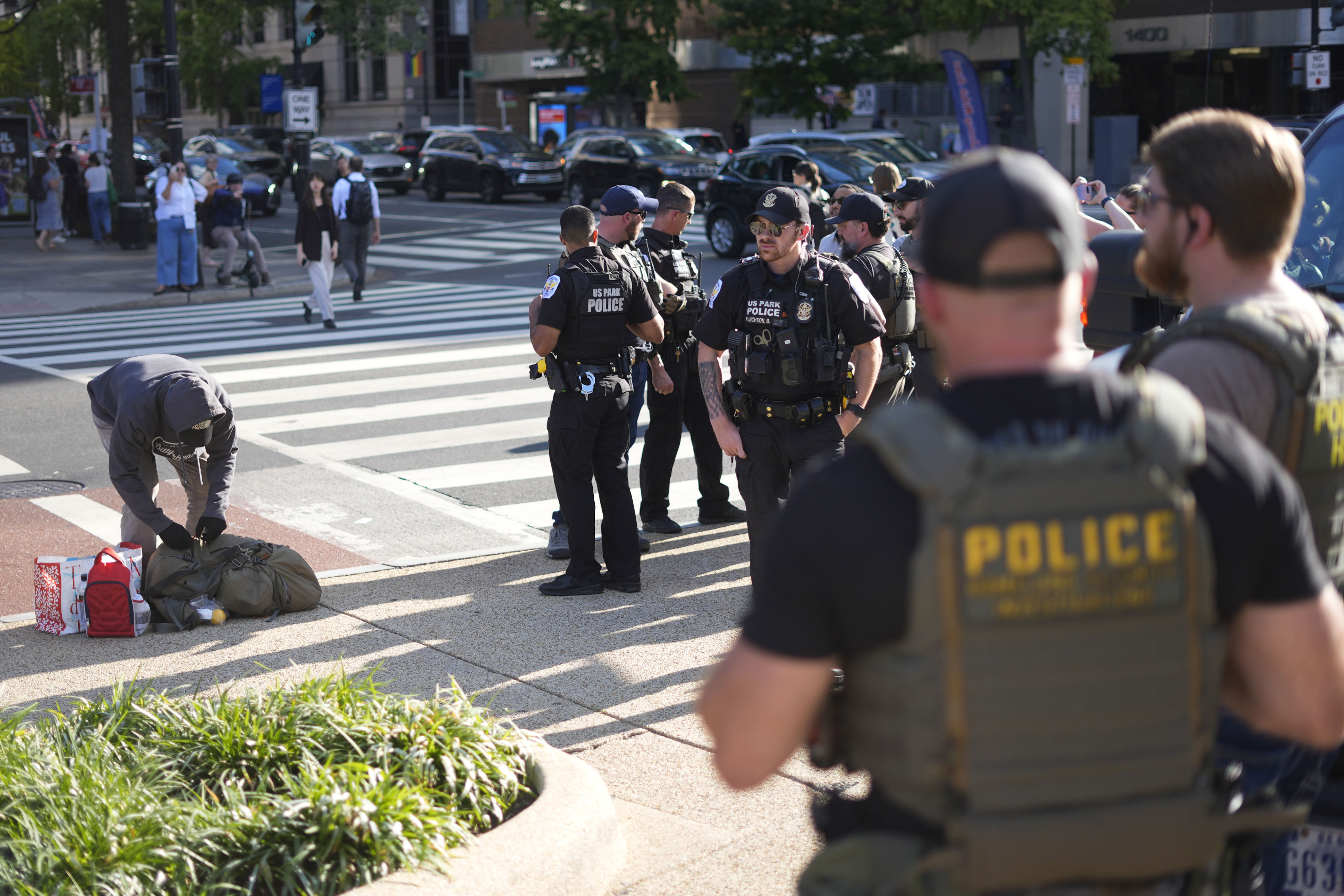
A high-ranking official from the Bowser administration stated that additional specific requests from the federal government during the emergency involved aspects such as beautification, removal of graffiti, and crime analysis,homeless encampments assistanceand river cleaning but did not offer more information regarding the particular requests.
As the city moves beyond the emergency, Bowser also recognized that local police must rebuild trust with residents, especially immigrant groups who have been affected by immigration enforcement — and who have witnessed D.C. police collaborating with ICE agents.
I can guarantee you we will do everything we can,” Bowser stated, “to restore trust. I don’t think it’s something that can be fixed in one step. I believe establishing community trust is a long-term effort that we are committed to within the District.
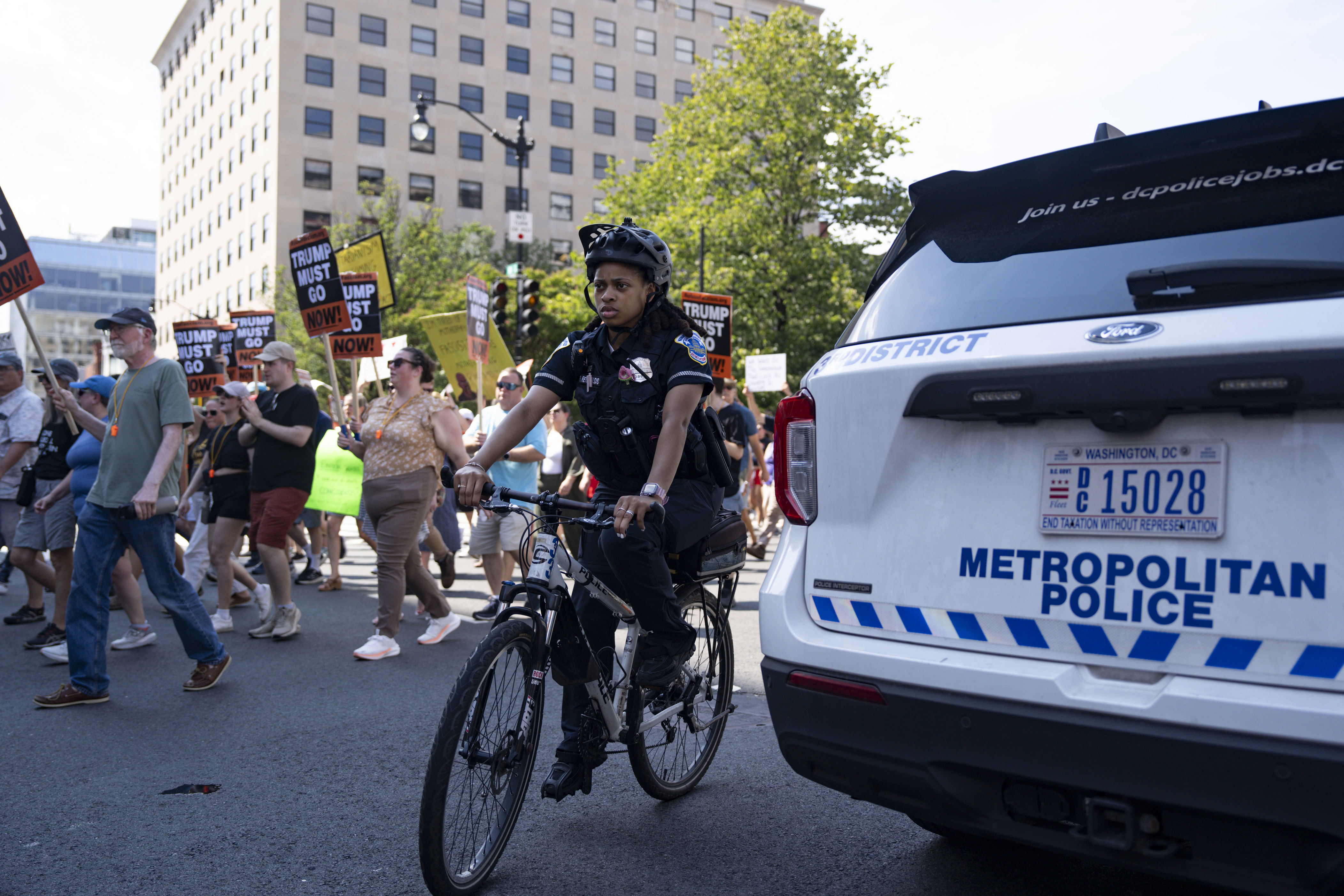
Meagan Flynn, Tara Copp, and Alex Horton helped prepare this report.