Israel Advances West Bank Settlement Expansion, Drawing International Condemnation
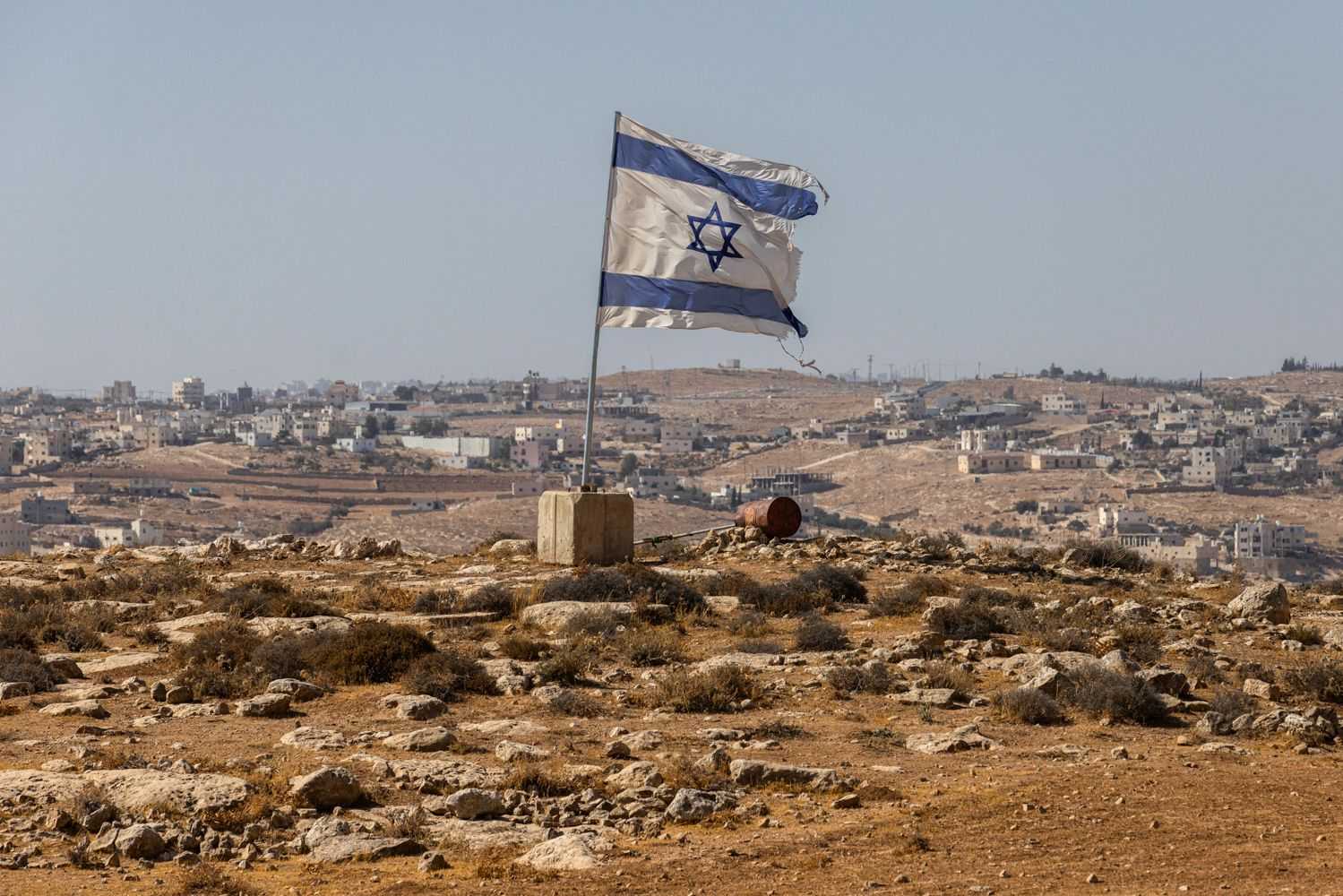
Israel is moving forward with plans to construct thousands of new housing units in the West Bank, a move that has ignited controversy and drawn sharp criticism from Palestinians, international bodies, and various nations. The planned expansion has fueled concerns about the prospects for a two-state solution and the long-term stability of the region.
The E1 Project and its Implications
At the heart of the controversy is the E1 settlement project, a long-dormant plan to connect Jerusalem to the settlement of Maale Adumim. Critics argue that this project would effectively bisect the West Bank, making the establishment of a contiguous Palestinian state exceedingly difficult, if not impossible. It would also severely undermine the possibility of a future Palestinian capital in East Jerusalem.
The Israeli government, however, views the settlement expansion as a necessary step, particularly in light of recent international moves toward recognizing a Palestinian state. Far-right Finance Minister Bezalel Smotrich has stated that the construction will “permanently bury the idea of a Palestinian state,” asserting that the growth of Jewish communities in the West Bank is an irreversible reality.
Details of the Approved Construction
The recent announcement involves the planned approval of 3,401 new housing units. The location of the planned construction was the site of the press conference where Smotrich made the announcement.
Reactions to the Settlement Expansion
The announcement has elicited a range of reactions, highlighting the deep divisions surrounding the issue.
-
Supporters: The Yesha Council, an organization advocating for Jewish settlements, celebrated the plans, viewing them as a step toward asserting Israeli sovereignty over the West Bank. They framed the expansion as an exercise of their historical right to the land.
-
Opponents: The Palestinian National Council condemned the project as a “systemic plan to steal land, Judaize it, and impose biblical and Talmudic facts on the conflict.” They see the expansion as part of a broader effort to annex the West Bank through incremental steps.
-
Peace Now: The Israeli settlement watchdog Peace Now has been particularly critical, warning that the expansion is “deadly for the future of Israel and for any chance of achieving a peaceful two-state solution.” The organization believes that the government’s actions are pushing the region closer to an abyss, guaranteeing more years of bloodshed.
-
Ir Amim: This Israeli organization monitoring developments in Jerusalem warned that the E1 settlement would entrench Israel’s occupation of the West Bank, leading to an “Apartheid reality” and a deterioration of living conditions for Palestinians.
International Response
The international community has largely condemned the settlement expansion, viewing it as a violation of international law and an obstacle to peace.
-
United Kingdom: British Foreign Minister David Lammy stated that the UK “strongly opposes” the plans, describing them as “a flagrant breach of international law.”
-
United States: The U.S. State Department, while not explicitly denouncing the plans, emphasized the need for stability in the West Bank. The department reiterated the administration’s goal of achieving peace in the region.
Legality Under International Law
Israeli settlements in the West Bank are widely considered illegal under international law. The United Nations Security Council resolution 2334, passed in 2016, declared that Jewish settlements in occupied territory are a “flagrant violation” of international law and have “no legal validity.”
Despite these resolutions, Israel’s settlement enterprise has continued to expand, particularly in recent years. While the Trump administration reversed longstanding U.S. policy by stating that settlements were “not inconsistent” with international law, the Biden administration has maintained this position.
The Acceleration of Settlement Growth
Following the October 7th attack, the Israeli government has significantly accelerated the growth of settlements. In May, the government approved the largest expansion of Jewish settlements in the West Bank in over 30 years, establishing 22 new settlements, some in areas from which the country had previously withdrawn.
The Palestinian Authority has denounced these plans as a “dangerous escalation and a challenge to international legitimacy and international law.”
The Future of the Israeli-Palestinian Conflict
The ongoing settlement expansion raises serious questions about the future of the Israeli-Palestinian conflict. Critics argue that the construction undermines the possibility of a two-state solution, entrenching the occupation and perpetuating a cycle of violence. Supporters, on the other hand, see the settlements as a legitimate expression of Jewish connection to the land and a necessary step to ensure Israel’s security. The diverging perspectives and the continued construction highlight the complexities and challenges in achieving a lasting peace in the region.