There’s a unique kind of joy that comes with riding a motorcycle. The open-air experience, the ability to be part of the scenery rather than just observing it from behind glass, and the connection with the machine all contribute to the thrill. But for many riders, another big draw is the low cost of entry. When comparing performance factors, motorcycles are often significantly cheaper than most four-wheeled vehicles. This price difference extends to the used market, where many riders start their journey.
Over the years, I’ve bought and sold numerous motorcycles. Some were excellent purchases in great condition and still remain in my collection after years. Others turned out to be costly mistakes due to insufficient scrutiny. These experiences have taught me what to look for, what to avoid, and how to find a bike that’s less likely to become a maintenance nightmare once you bring it home.
If you’re looking for a motorcycle under $5,000, there are plenty of options available. Cruisers, sport bikes, and even some adventure bikes can fit within this budget. However, at this price point, there are several important factors to consider—things that might not come up when buying a new bike. Items like mileage, potential leaks, and various wear components should all be on your radar as you shop.
Look for signs of an accident or theft
First and foremost, it’s crucial to determine if the bike you’re purchasing has ever been stolen. Most of the time, when shopping for used bikes online, the seller will be willing to provide a photo of the VIN. Use an online VIN-checking service to review the bike’s history. Then, in person, physically check the VIN and ensure it matches the title. A bike that was stolen and recovered may not be a dealbreaker for some buyers, but this is a decision you should make yourself—not one you’re tricked into. If there’s visible damage to the ignition, the bike may have been stolen in the past.
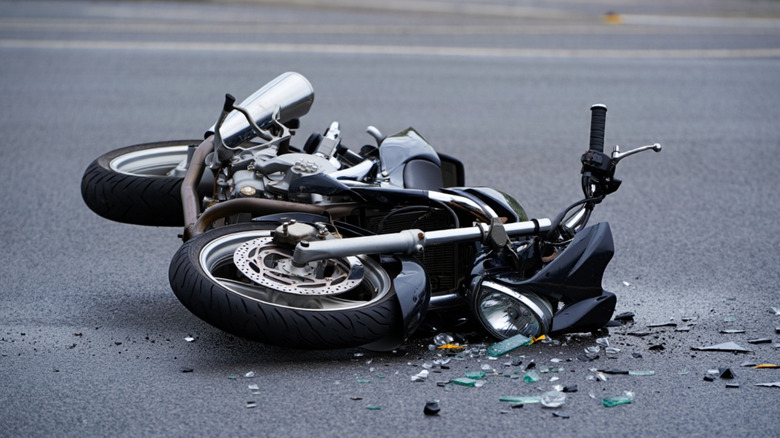
Another thing to watch out for is accidents. Motorcycles have many small parts that can be damaged in an accident, especially from slow-speed tip-overs or falls. Be sure to inspect high points like bar ends, clutch and brake levers, and fairings. If the bar ends and levers are brand new and the owner doesn’t have the old hardware, this could indicate the bike was involved in an accident. Aftermarket replacement fairings are common modifications, but they may have been installed due to a crash. While this might not be a dealbreaker for a cheap bike, especially if it’s destined for track use, knowledge is key here.
Consider the mileage and required service
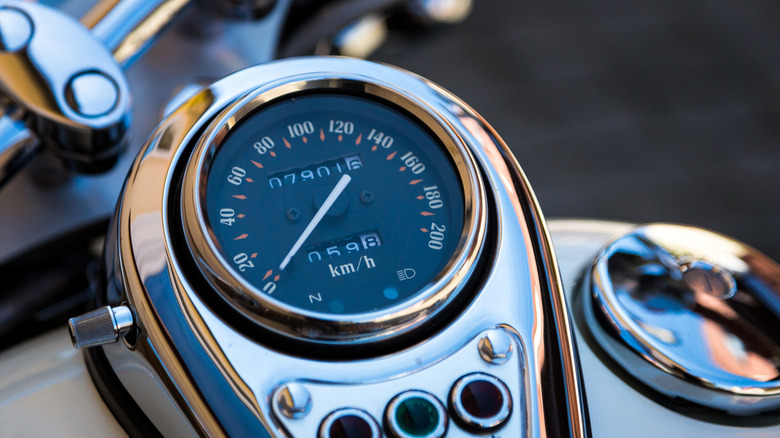
Mileage is an essential factor for any used vehicle. Aligning the bike’s mileage with its age is a good starting point before even seeing the bike in person. For example, if a motorcycle is 10 years old but only has 2,000 miles on the odometer, it’s unlikely to have been used for daily commuting. It might have been ridden on short, high-intensity rides, such as at a racetrack. Alternatively, the bike could have been neglected over time, which we’ll cover later. On the other end of the spectrum, if a two-year-old bike already has 60,000 miles, you should ask the previous owner about maintenance records, the type of riding they did, and how the mileage got so high.
It’s also important to research common problems and service intervals for the bike you’re interested in. If the model you’re considering requires expensive maintenance at the 20,000-mile mark, and the bike you’re looking at has 19,500 miles, it might not be as much of a bargain as it seems. A $5,000 motorcycle isn’t so cheap if it needs a $2,000 major service soon. When buying something inexpensive, it’s best to avoid bikes that are known for being costly to maintain.
Check the condition and date of the tires
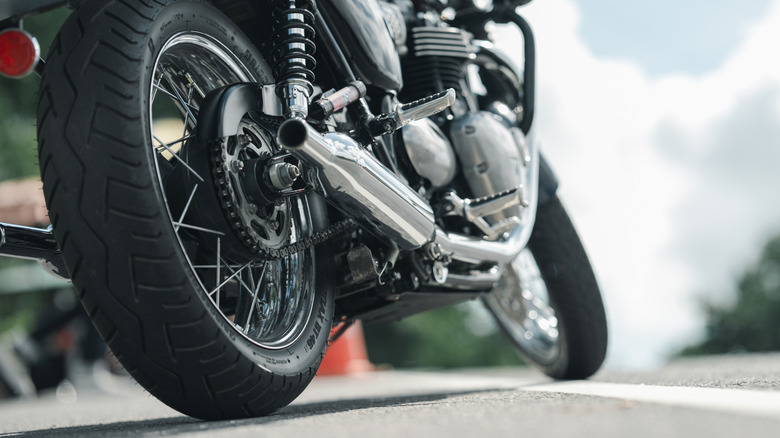
Due to the exposed nature of motorcycle parts, there’s a lot you can visually inspect before taking the bike for a test ride—and tires should be near the top of your list. Check the tire’s date code and remaining tread life before making a purchase. Remember the low-mileage warning from the previous section? If a bike has been sitting for years, especially in harsh weather, the tires can degrade. According to manufacturers like Michelin, motorcycle tires should be professionally inspected for wear after five years of ownership.
Old tires aren’t necessarily a dealbreaker for older, inexpensive bikes, but they’re definitely a factor. If the tires need to be replaced before the bike is ridden, you can negotiate the price change before finalizing the purchase. You should also ask the seller if the bike has been ridden hard, taken to track days, or just spent time on the highway. Look at the undertray of the motorcycle for splashes of rubber on the fender, or watch for flat or uneven wear across the rear tire. If the bike has been used for burnouts, there might be signs of abuse like leftover tire debris on the underside and flat wear across the tire.
Take a closer look at the oil and other fluids
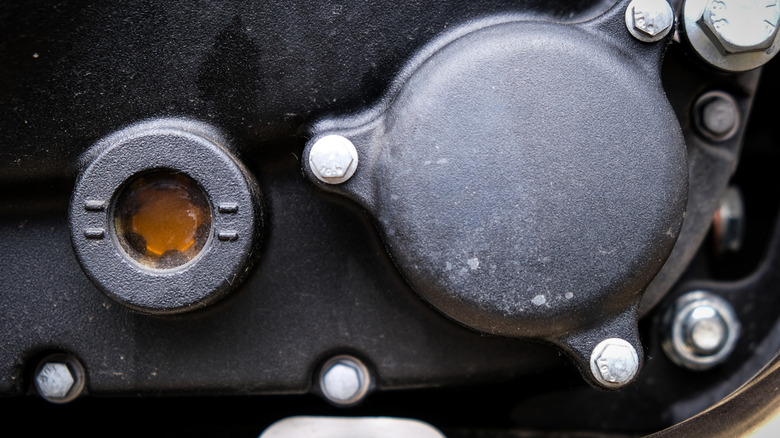
No matter what used vehicle you’re buying, checking the oil is always a good idea. Inspect the oil level and its color/opacity. Many modern motorcycles have small, see-through windows near the oil pan (called sight glasses), while others still use dipsticks. Like any internal-combustion engine, motorcycle oil darkens and becomes more opaque over time, so black oil means a change is needed soon. Oil leaks around the oil pan gaskets or the filter itself are also red flags.
In addition to oil, you can visually inspect items like the brake-fluid reservoirs for proper fill levels and leaks. The front brake fluid reservoir is typically located on the handlebars, while the rear reservoir is near the rear wheel. While checking for leaks, also inspect the front suspension, particularly the fork seals. Leaking fork seals are a sign that they’ll need to be replaced or rebuilt soon—a significant cost on any bike. If the bike uses a water-cooled system, check the radiator hoses. Stiff, cracked, or swollen hoses indicate an aging system that may require attention. When the bike is off and cool, give the hoses a squeeze to see if the rubber is still pliable.
Wear items like the chain and brakes should be on your list
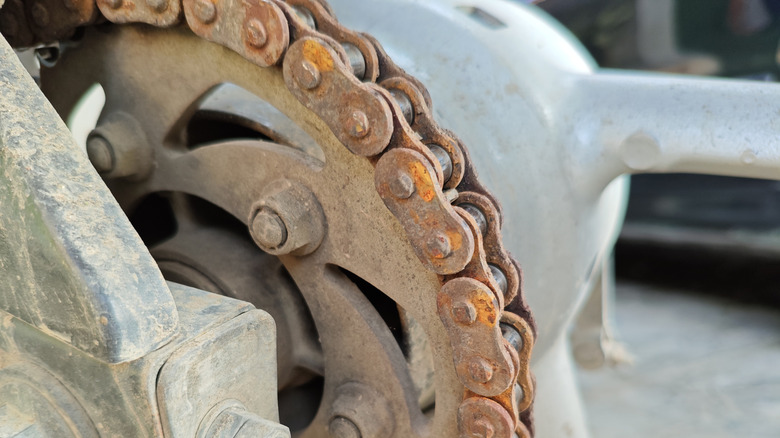
If the bike you’re purchasing has a chain, check it for proper lubrication. A rusty or kinked chain is a bad sign, as is a chain that can be pulled away from the rear sprocket. Check the chain slack, and if it exceeds the manufacturer’s recommended limits (often listed on a sticker on the swing arm or in the owner’s manual), it should be adjusted before riding. Also, inspect the sprockets for signs of wear. If the motorcycle uses a drive belt, check for tears or missing pieces and ensure the belt has the correct tension.
Unless the bike has extensive bodywork, the brake pads should be visible. Checking how much life remains on both the front and rear pads gives you an idea of the bike’s maintenance needs. While not a wear item, you should also check the battery. Most motorcycle batteries have a date code, so you can determine how old it is. Bring an inexpensive multimeter to check the voltage. It makes you look professional and helps you confirm if the battery is properly charged.