
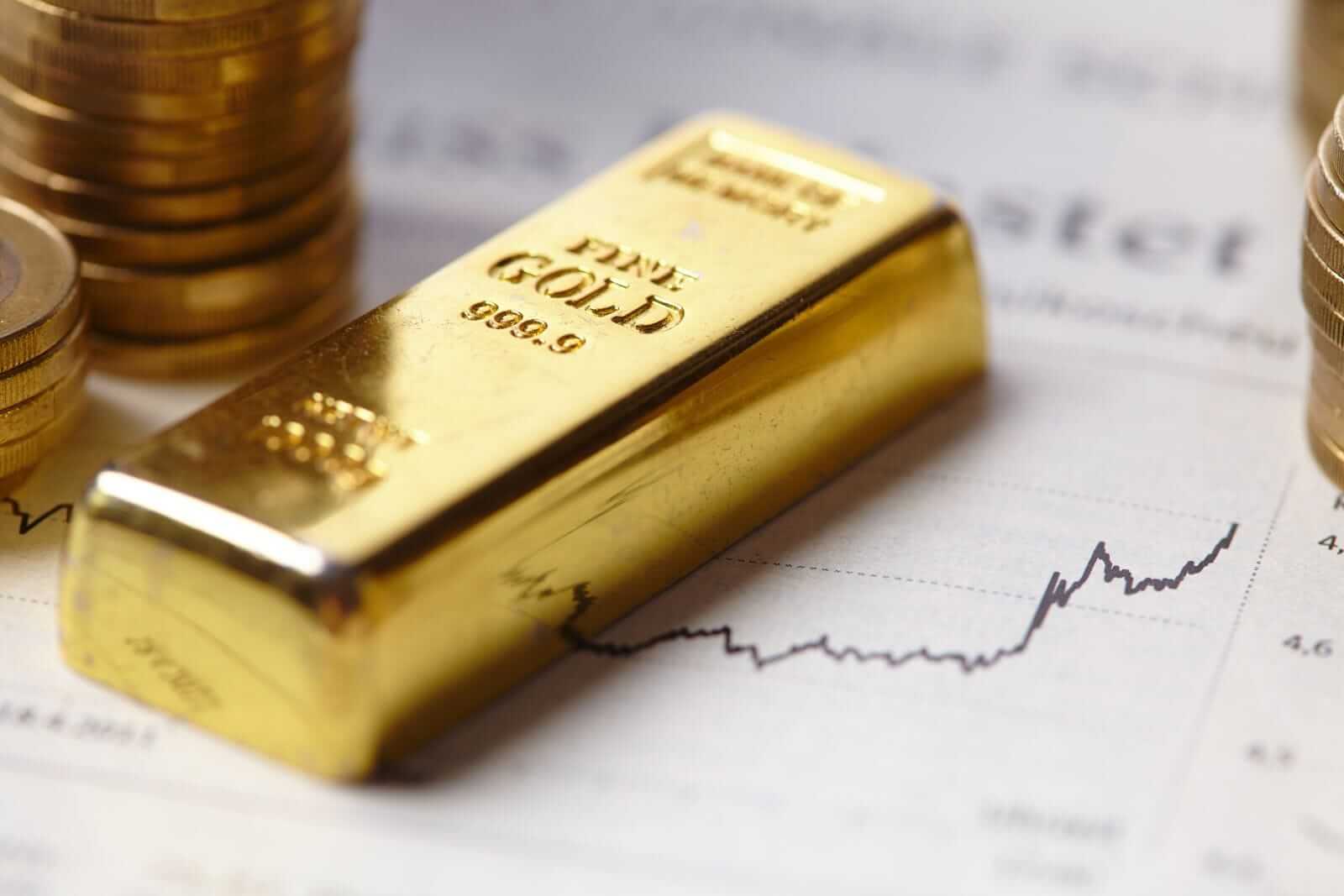
Understanding the Core of Gold’s Market Behavior
When it comes to analyzing the gold market, there are several key principles that guide the way we interpret trends and movements. These rules, developed over time, help investors and analysts make informed decisions based on historical patterns and market dynamics. One of the most important aspects of this analysis is recognizing that gold, like many other commodities, is influenced by a variety of factors, including global economic conditions, central bank actions, and investor sentiment.
At the heart of this discussion is the concept of the “Golden Rule” for gold. This rule emphasizes the importance of following the trend in the market. As one analyst has noted, a trending market will continue in its current direction until an external force changes it. For gold, this means that as long as the demand remains strong and the supply is constrained, the price will likely continue to rise. This principle is not just theoretical; it has been observed in recent market behavior, where gold has consistently moved higher despite fluctuations in other financial instruments.
The Role of Fundamental Factors
While the Golden Rule is a powerful tool, it is not the only factor at play in the gold market. Fundamentals such as demand from central banks and global economic stability also play a significant role. Central banks around the world have been increasing their gold reserves, driven by the desire for a safe haven amid geopolitical uncertainties. This increased demand can lead to upward pressure on gold prices, reinforcing the trend-based approach.
However, it’s important to note that while fundamentals are crucial, they do not always dictate short-term movements. In times of high volatility or unexpected events, the market may react differently than expected. Therefore, it’s essential to consider both the long-term trends and the immediate factors that could influence the price of gold.
Additional Rules and Considerations
Beyond the Golden Rule, there are several other rules that can be applied to understand the gold market better. For instance:
-
Stock Markets Go Up Over Time: Historically, stock markets have shown a tendency to increase over the long term. This relationship between stocks and gold is often seen as inverse, with rising stock prices sometimes leading to lower gold prices, and vice versa.
-
Fundamentals Win in the End: While short-term fluctuations can be influenced by various factors, the underlying fundamentals of the gold market tend to prevail over time. Strong demand from central banks and ongoing global uncertainties can significantly impact the price of gold.
-
It’s the What, Not the Why: Sometimes, the reason behind market movements is less important than the actual movement itself. In the case of gold, the strong demand due to uncertainty and its role as a safe haven are more critical than the specific reasons behind the demand.
-
A Market That Can’t Go Down Won’t Go Down: This rule suggests that if a market is unable to decline, it may be due to strong support from buyers. In the case of gold, this support often comes from central banks purchasing gold as a hedge against economic instability.
-
Use Filters to Manage Risk: Analysts often use various filters to manage risk, such as seasonality, price distribution, and volatility. However, in the current environment, these filters may not be as effective due to the unpredictable nature of the market.
-
Let the Market Dictate Our Actions: This rule emphasizes the importance of adapting to market conditions rather than trying to predict them. As the market evolves, so too should the strategies used to navigate it.
-
Don’t Get Crossways with the Trend: Ultimately, the most straightforward approach is to follow the trend. If the market is moving higher, it is wise to align with that direction. This principle is supported by Newton’s First Law of Motion, which states that a trending market will remain in that trend until acted upon by an external force.
In conclusion, understanding the dynamics of the gold market requires a combination of trend-following strategies, fundamental analysis, and awareness of broader economic factors. By applying these principles, investors can make more informed decisions and navigate the complexities of the gold market with greater confidence.