
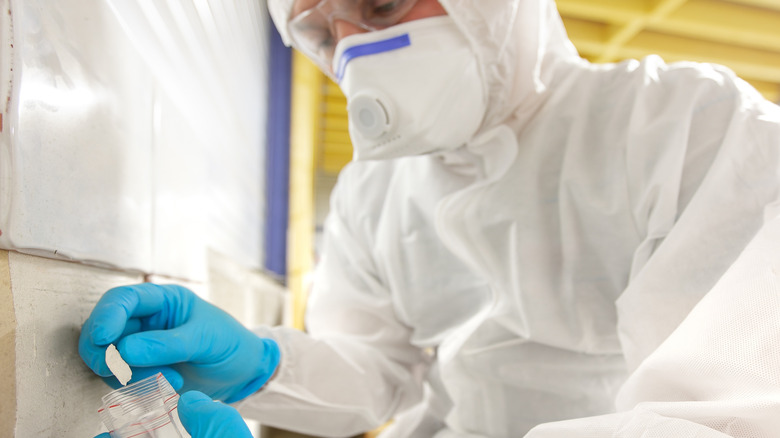
When you’re at home, you generally feel secure. However, if your house was constructed prior to 1980, there’s a chance it contains hazardous substances that were commonly used in building homes before they were prohibited, like lead paint and asbestos. The federal government prohibited the use of lead-based paint for consumer purposes in 1978. Although the federal government didn’t completely ban asbestos-containing materials until 1989 and faced legal challenges regarding this decision, most residential builders had already ceased using these materials by 1980.
When is the best time to test your home for these substances? Certain states advise checking for lead paint and asbestos prior to starting renovations on an older house. It’s one of theessential steps to take before renovating. If you observe materials that are breaking down and may contain asbestos, like insulation or drywall, have them examined. Check for lead paint in an older home prior to remodeling, repainting, or if existing old paint is flaking or peeling. The risk of breathing in asbestos fibers increases considerably when this material is disturbed, which often occurs during the renovation of an older house. Renovations that disturb layers of lead paint can result in people inhaling lead dust, exposing them to this harmful substance.
Asbestos and lead paint exposure can result in harmful health consequences, which is why they have been prohibited. Inhaling or ingesting the tiny fibers from asbestos can lead to internal inflammation and tissue damage, possibly resulting in cancer. Contact with lead found in paint can impact the mental and physical growth of children. Adults who come into contact with lead may experience heightened physical discomfort, memory issues, and emotional problems.
Read more: 13 Points To Consider Before Purchasing A New Toilet For Your Bathroom
When and how to check for asbestos in your home
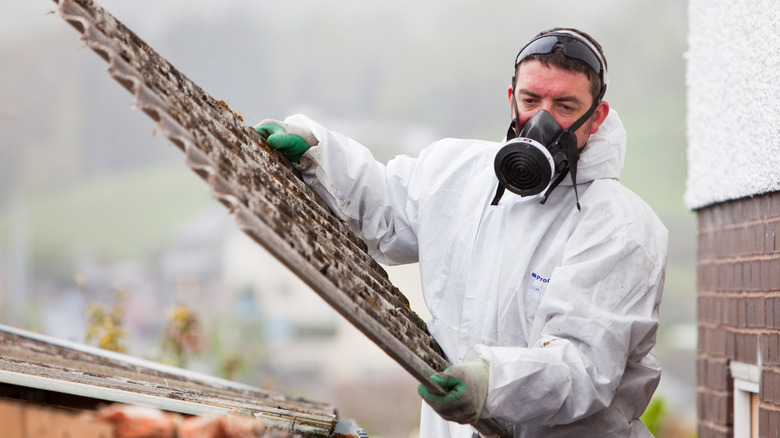
Asbestos-containing materials are generally not a concern in homes constructed in the 1980s or later. However, in older homes, asbestos can be found in cement board siding, attic insulation, pipe insulation, drywall, the felt backing used in roofing or flooring, subfloors, and popcorn ceilings. If you suspect these materials are present in an older home, you can contact a certified asbestos testing company to check if they contain asbestos or if fibers are already in the air.
Is it necessary to eliminate all asbestos from your house?? Simply discovering asbestos in your house does not necessarily indicate that you and your family are at risk of exposure. If the material is in good shape and you aren’t doing any renovations, it’s best to leave it as is. That said, if there are indications of damage or if you intend to remove the suspected material during a renovation, hiring a professional for its removal is the most secure choice. When removal is necessary, numerous testing companies can also handle the safe elimination of any asbestos they identify.
Some individuals believe the most effective way to check an area for asbestos is by utilizing a home testing kit. You will send a sample of your material to a distant laboratory for analysis. It’s important to take several safety measures, such as wearing protective equipment and using plastic sheeting, if you decide to use a DIY testing kit. The average cost of hiring an asbestos testing company is approximately $500. Home testing kits typically cost much less, although they may not offer complete accuracy.
Indicators that you need to check for lead-based paint in an older house
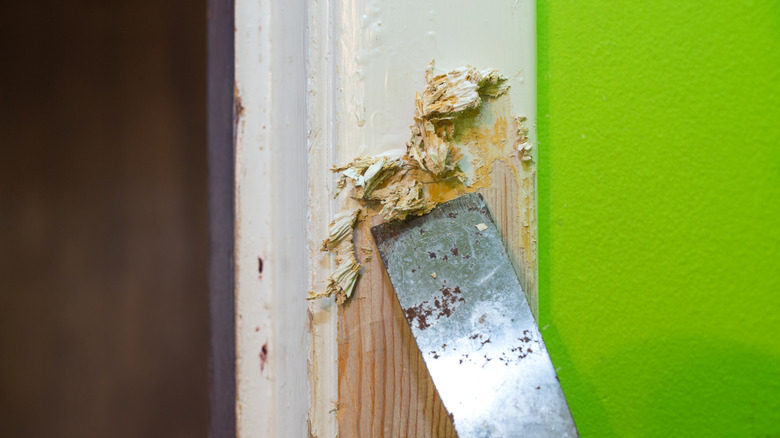
Several states have regulations that require homeowners to consider lead paint as present if the home was constructed prior to 1978. If you are uncertainhow to determine if your house has lead-based paint, keep in mind that as the paint ages, it might develop cracks that look similar to the rough texture of an alligator’s skin. However, it’s not possible to definitively tell if old paint contains lead just by looking at it. Homes built earlier may have multiple layers of paint that contain lead, making testing crucial before any renovation work or when the paint is peeling or flaking. You can hire a certified company that specializes in lead paint testing. A professional inspection typically costs around $600. Alternatively, you can use a do-it-yourself testing kit, which is more affordable, but it may not provide the same level of accuracy or reliability.
In previous years, homeowners might have applied lead paint to locations such as window sills, window frames, doors, floors, staircases, and cabinets. Children are particularly vulnerable to exposure since they may bite on window sills during teething, touch peeling paint and then put their fingers in their mouths, or breathe in dust from cracked paint.
If test results indicate that your older home contains this harmful substance, you can employ a professional to remove it by stripping or scraping. If you’re already planning a renovation, experts can take out the wood coated with lead-based paint and handle its disposal properly. Applying a specific sealant to cover it is also a possible solution.
Liked this article? Subscribe to receive professional home advice, do-it-yourself tutorials, and creative design ideas.House Digest newsletter!
Read the original article on House Digest.