The Impact of the White House’s Review on History Education
High school history teacher Katharina Matro often uses materials from the Smithsonian Institution website when preparing her lessons. She values the reliability of these resources, which don’t require the same level of scrutiny as other online content. By incorporating primary sources and historical documents, she fosters discussions on complex topics such as genocide and slavery.
However, with the White House pushing for changes at the Smithsonian, Matro is concerned about the future of these trusted educational tools. The institution plays a critical role in providing curriculum and other learning materials that are widely used by educators across the country.
A Shift in Historical Narratives
President Donald Trump’s review of the Smithsonian is seen as an effort to align its content with his vision of American history. In a letter last month, the White House stated that the review aims to “assess tone, historical framing, and alignment with American ideals.” This initiative is part of a broader agenda to promote “American exceptionalism” by eliminating “divisive or partisan narratives.”
Critics argue that this could lead to a more sanitized version of history, one that overlooks the nation’s darker chapters. For instance, the recent launch of the White House’s Founders Museum in partnership with PragerU, a conservative nonprofit, has drawn attention. While it includes figures like Phillis Wheatley, some critics say it fails to address the complexities of the past.
Concerns About Educational Materials
Educators like Tina Ellsworth, president of the National Council for the Social Studies, express concern over the potential impact on teaching practices. They emphasize the importance of using non-partisan sources to ensure accurate and comprehensive education. Many teachers rely on federal institutions like the Smithsonian because they provide reliable, vetted materials that save time and resources.
According to a survey by the American Historical Association, more than 80% of history teachers use free resources from federal museums and archives. These materials are trusted because they are examined by professionals, offering a level of credibility that many online sources lack.
The Role of the Smithsonian in Education
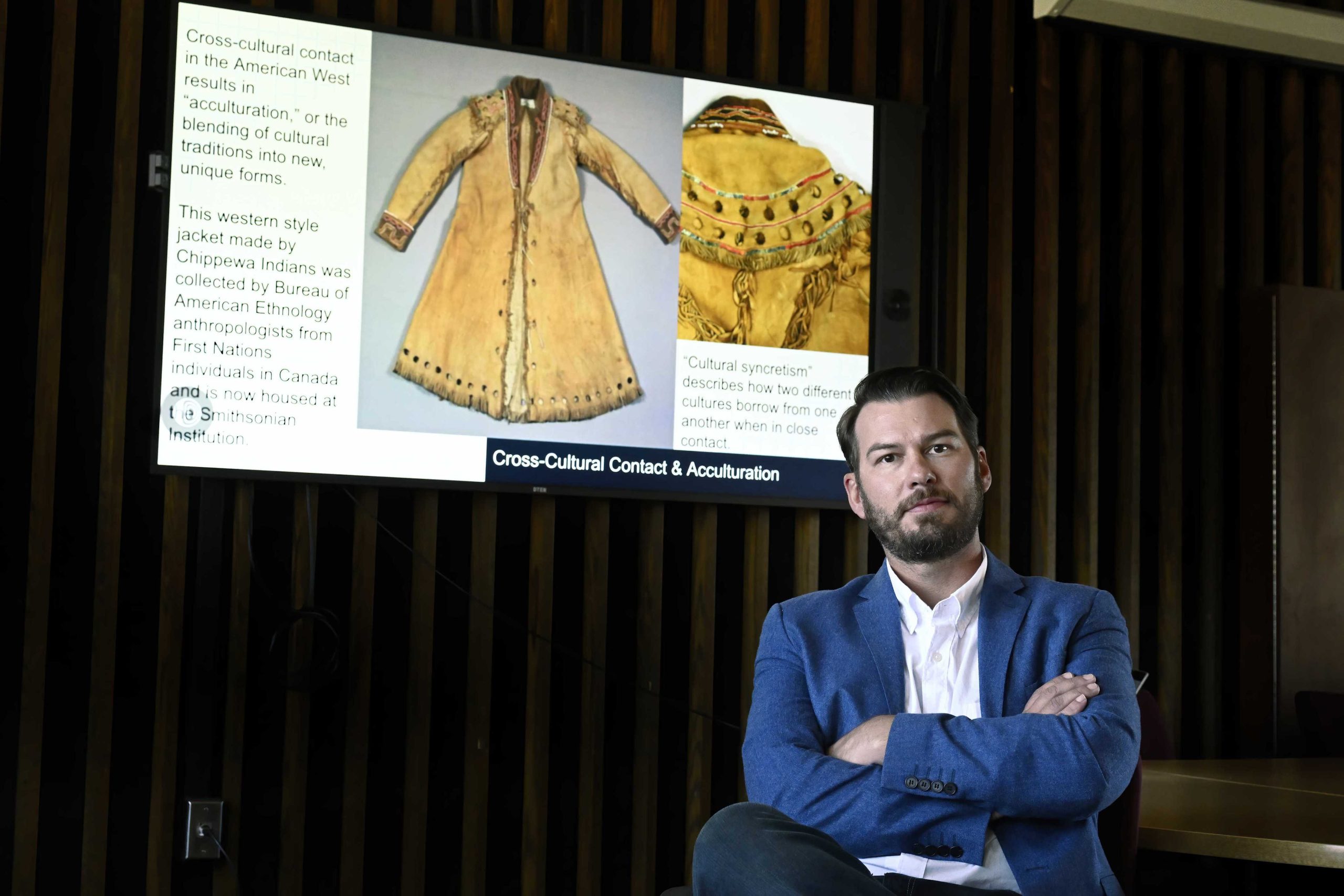
The Smithsonian has long been a key player in education, particularly after World War II. It offers professional development workshops for teachers and provides a range of materials, including worksheets and videos. Its digitized collections allow educators to access valuable artifacts and documents without the need for extensive research.
William Walker, a professor at the State University of New York, Oneonta, notes that the museum has played a significant role in shaping social studies education. He highlights the importance of the Smithsonian’s efforts in making history accessible and engaging for students.
Challenges and Concerns
Russell Jeung, an Asian-American studies professor at San Francisco State University, participated in a Smithsonian video series addressing racism and discrimination during the pandemic. He fears that such projects may be affected by the White House review, potentially silencing important voices and stories.
In recent years, many states have enacted laws guiding how schools address sensitive topics. Despite these challenges, educators continue to seek out resources that provide context and depth to historical events.
The Broader Implications
Michael Heiman, a social studies teacher in Juneau, Alaska, recalls using virtual Smithsonian tours to engage his students. He worries that if the exhibits become less inclusive, it could discourage students of color from pursuing careers in history or museum sciences.
Sam Redman, a history professor at the University of Massachusetts, Amherst, shares similar concerns. He notes that students used to aspire to work at the Smithsonian or in the federal government, but this year, he hasn’t heard any such aspirations.
As the debate over the Smithsonian’s direction continues, educators remain committed to navigating the political landscape of history education. Their goal is to ensure that students receive a well-rounded understanding of the past, regardless of external influences.