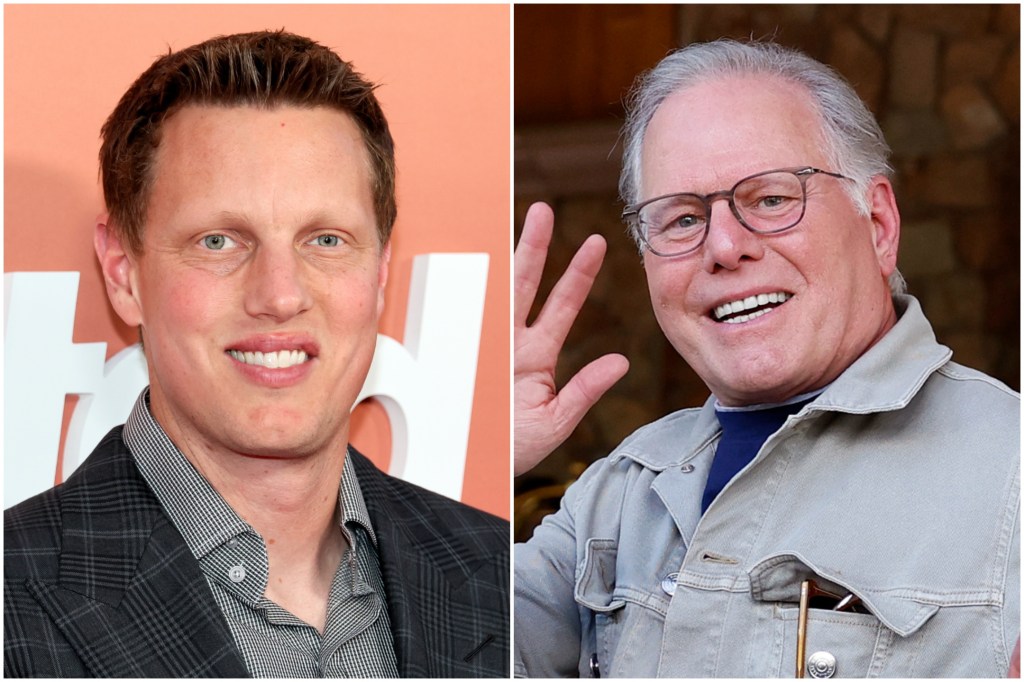
The Strategic Move: Skydance’s Ambitious Pursuit of Warner Bros. Discovery
David Ellison’s Skydance Media has recently completed a $8 billion acquisition of Paramount Global, marking a significant shift in the media landscape. Just weeks after this major deal, Ellison is already considering an even more ambitious move: a potential $70 billion-plus acquisition of Warner Bros. Discovery (WBD) in its entirety. This raises the question: why now?
The timing seems unusual, especially since WBD is set to split into two separate entities by April 2026. One division will focus on Warner Bros., including HBO Max and its studios, while the other will handle Discovery Global, encompassing networks like CNN, TNT, and TBS. This separation aims to enhance the value of the streaming and studio segments by isolating the declining TV arm.
By acquiring the standalone Warner Bros. division, Paramount Skydance could avoid taking on the bulk of WBD’s debt and the less profitable TV networks. This strategic approach would allow them to target the key growth area—HBO Max—while potentially rebranding a combined service with Paramount+.
A Long-Term Strategy for Media Consolidation
Analysts suggest that this move might be part of a broader strategy to consolidate media assets during a period of industry instability. According to Robert Fishman from MoffettNathanson, the goal is to build a conglomerate focused on streaming, supported by TV and film studios, and possibly a larger linear television portfolio.
Acting quickly could also prevent a bidding war for the Warner Bros. Streaming & Studios assets post-split. By securing the entire company now, Paramount Skydance could prevent rivals from picking off the most attractive parts of WBD.
Prior to the news of the potential bid, Wells Fargo analyst Steven Cahall highlighted the attractiveness of the standalone Warner Bros. as an M&A candidate, with Netflix being the most compelling buyer. Other potential suitors include Amazon, Apple, Comcast, Sony, and Paramount Skydance itself. Cahall estimated the value of the standalone Warner Bros. at around $65 billion.
Financial and Regulatory Challenges
Despite the potential benefits, any offer for WBD would face significant financial and regulatory hurdles. WBD’s enterprise value, including debt, is approximately $71 billion, which is much higher than the Ellisons paid for Skydance-Paramount. Kenneth Leon from CFRA Research noted that the high debt leverage of WBD could hinder a substantial bid. Even if Paramount Skydance acquires WBD, they may only be interested in the Warner Bros. division, not the Discovery Global portfolio.
Fishman speculated that there could be cost synergies from combining TV businesses, such as layoffs. He also mentioned potential synergies from merging CBS News with CNN and leveraging existing partnerships between CBS and Turner for events like the NCAA’s March Madness Final Four.
Regulatory Approval and Political Concerns
Regulatory approval remains a critical issue. A merger between Paramount and WBD would represent a more horizontal combination than the previous Skydance-Paramount merger. The latter was largely a production company with limited overlap with Paramount Global.
Sen. Elizabeth Warren (D-Massachusetts) has already voiced opposition to the potential merger, calling it a dangerous concentration of power. She criticized the $16 million payment from Paramount Global to Trump to settle his lawsuit against CBS News, suggesting it was a bribe. Warren also questioned the claims about free advertising from the new owners.
The Impact of Political Shifts
Zaslav expressed optimism that a new administration, particularly under Trump 2.0, could facilitate industry M&A. He believed that the new administration might bring a pace of change and opportunities for consolidation that could positively impact the media industry.
As the situation unfolds, the potential merger between Paramount Skydance and Warner Bros. Discovery continues to capture attention, with implications for the future of media ownership and content distribution.