The Battle Over Sales Tax and RockAuto’s Decision to Leave Arizona
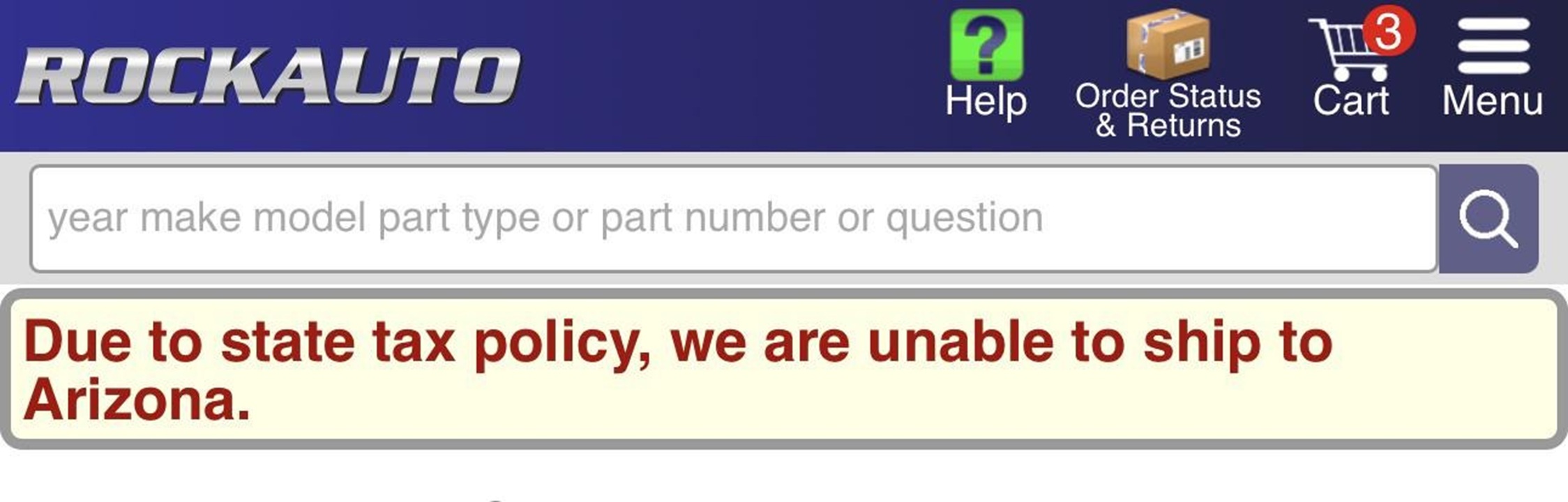
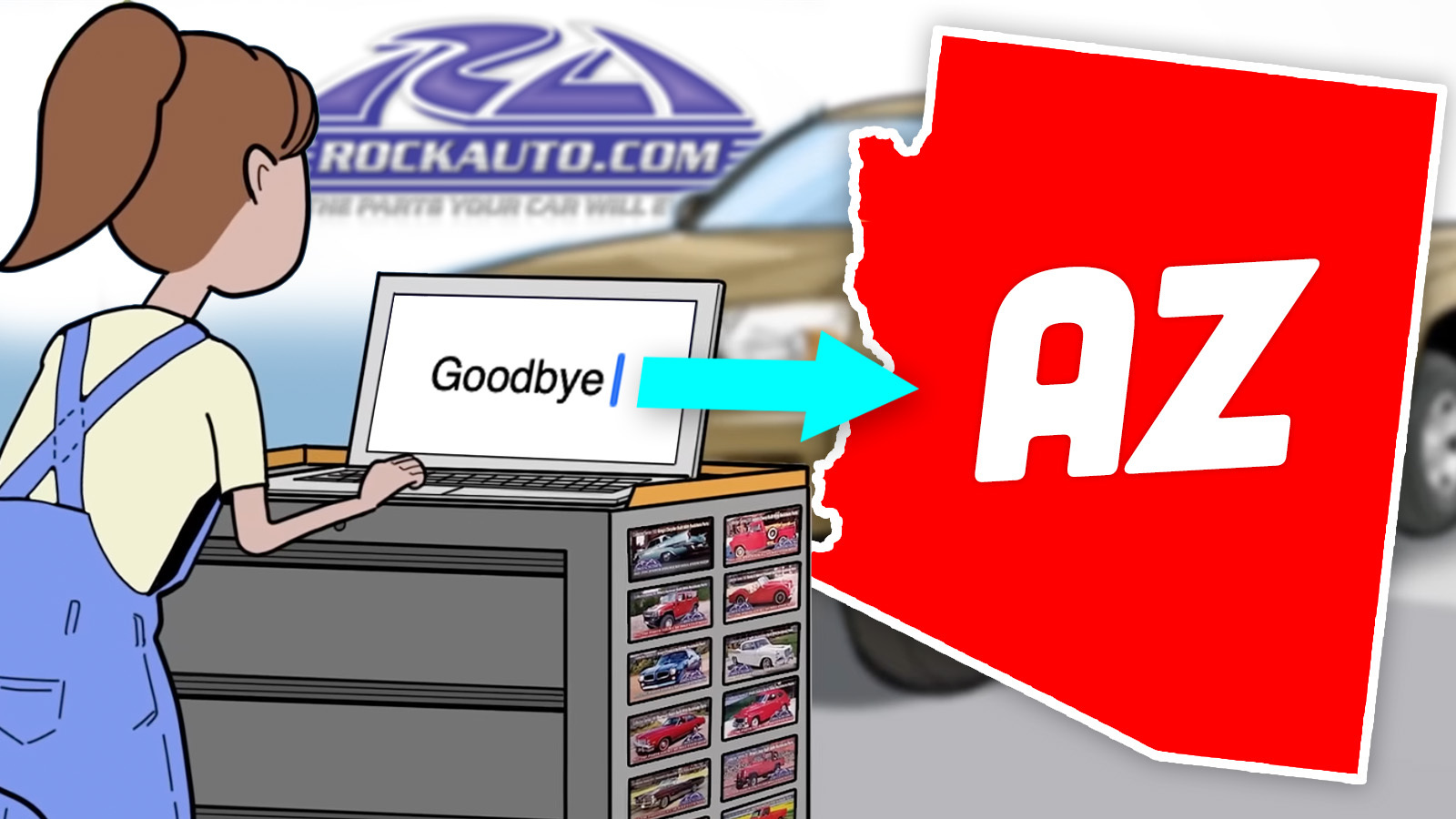
Car owners in Arizona are facing a difficult reality as they prepare for the potential loss of a major car parts supplier. RockAuto, a well-known online retailer based in Wisconsin, has found itself entangled in a legal battle over sales tax obligations in the state. After a series of court rulings, the company has decided that it will no longer be able to sell parts to customers in Arizona. This decision has sparked concern among car enthusiasts who rely on RockAuto for hard-to-find parts.
A Retailer with a Long History
Since 1999, RockAuto has been a go-to source for car owners looking for affordable and reliable parts. The company is known for its extensive inventory, which includes parts for vehicles that are no longer supported by manufacturers or have been out of production for decades. Its motto, “All The Parts Your Car Will Ever Need,” reflects its reputation for providing comprehensive solutions for car repairs.
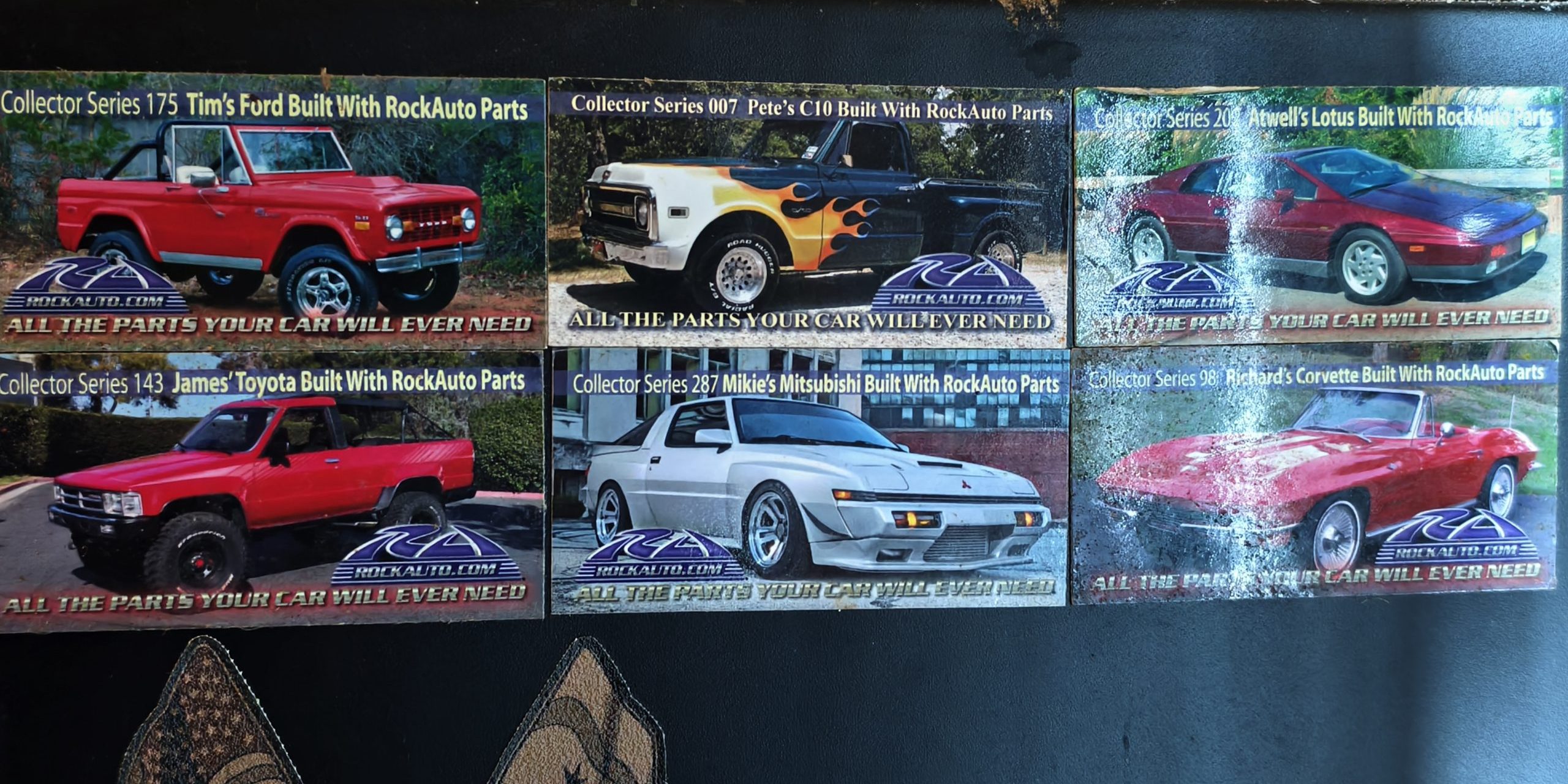
RockAuto’s influence extends beyond just the parts it sells. It has become a staple in many garages and car enthusiast communities, with its products appearing in everything from custom builds to everyday repairs. However, this widespread presence has now put the company in a difficult position due to Arizona’s complex tax laws.
Understanding the Legal Context
The situation began in 2019 when Arizona passed House Bill (H.B.) 2757, which required remote sellers and marketplace facilitators to collect and remit transaction privilege tax (TPT) starting October 1, 2019. This law was influenced by the U.S. Supreme Court’s 2018 decision in South Dakota v. Wayfair, Inc., which overturned the previous rule that only businesses with a physical presence in a state were required to collect sales tax.
This shift in policy created new challenges for companies like RockAuto, which operate primarily online and do not have a physical presence in Arizona. Despite complying with the new tax requirements since 2019, RockAuto faced an unexpected audit from the Arizona Department of Revenue (ADOR), which claimed the company had a physical presence in the state and owed $11 million in retroactive taxes.
The Legal Fight
RockAuto challenged the audit, arguing that it did not have a physical presence in Arizona. In 2023, the Arizona Tax Court ruled in favor of RockAuto, stating that the company’s suppliers in Arizona did not constitute a physical presence. However, ADOR appealed the decision, and in 2024, the Arizona Court of Appeals reversed the ruling, claiming that RockAuto’s use of Arizona-based suppliers created a sufficient physical presence for tax purposes.
This decision left RockAuto in a difficult position. The company argued that it was being unfairly targeted and that its business model did not justify the tax burden. Jim Taylor, the founder of RockAuto, expressed frustration with the situation, noting that the state was treating drop-shippers as if they had a physical presence without any actual assets or employees in Arizona.
The Impact on Customers
In August 2025, some Arizona customers reported difficulty ordering parts from RockAuto, leading to speculation that the company might be ceasing operations in the state. However, Taylor clarified that while the company is still selling to most Arizona customers, it plans to stop all sales in early November due to the complexity of Arizona’s tax system.
The issue stems from the need for RockAuto to accurately determine the correct tax rates for each customer. Arizona requires out-of-state retailers to account for approximately 100 different local tax jurisdictions, making it extremely challenging for companies like RockAuto to comply. As a result, the company has had to implement workarounds, which have not always been effective.
A Broader Implication
Taylor warned that the situation in Arizona could set a dangerous precedent for other businesses operating in the state. He noted that Arizona’s unique tax structure places a heavy burden on retailers, making it difficult for them to remain profitable. If RockAuto is forced to leave Arizona, it could signal a broader trend of businesses avoiding the state due to its complex and costly tax regulations.
Final Thoughts
The ongoing battle between RockAuto and Arizona highlights the challenges that businesses face in navigating state tax laws. While the state may see short-term gains from collecting additional revenue, the long-term impact could be detrimental to both businesses and consumers. For now, Arizona car owners will have to find alternative sources for their parts, while RockAuto continues to fight for a more equitable approach to taxation.