
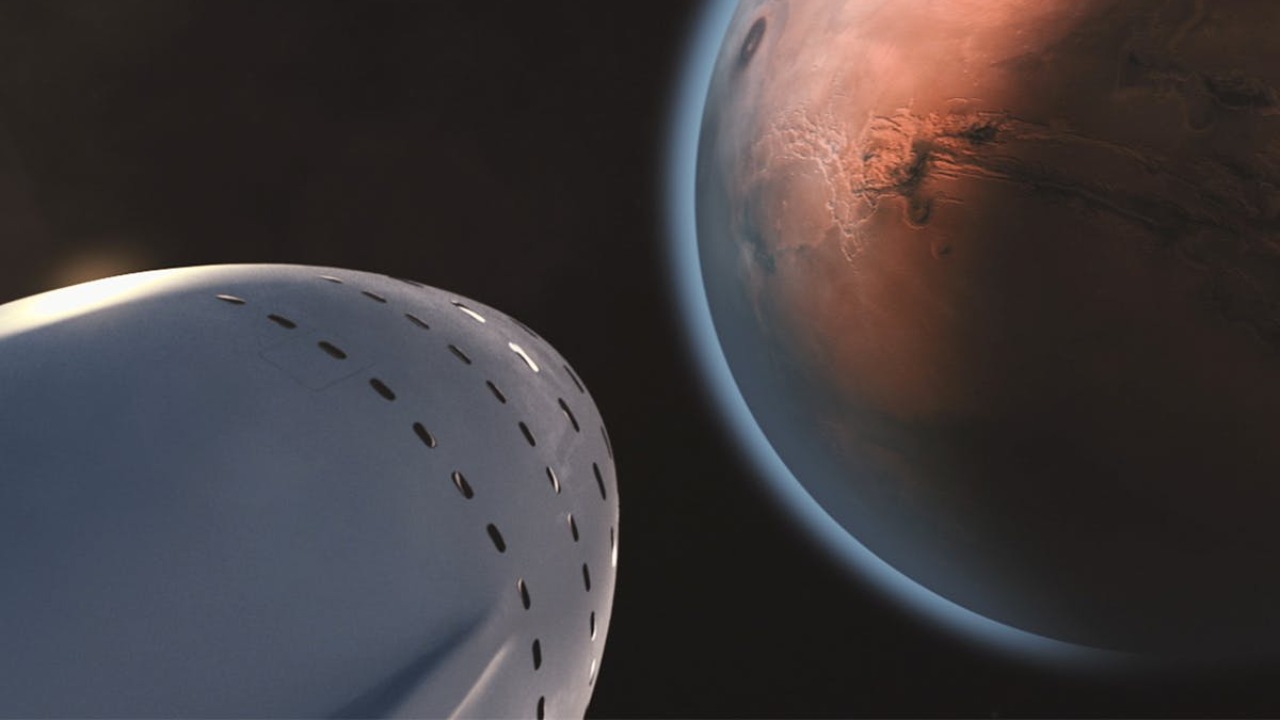
The creation of Starship by SpaceX represents a significant milestone in Elon Musk’s enduring goal of establishing a human presence on Mars. Investigating the reasons driving this bold endeavor and the technological advancements that enable it provides a glimpse into a future where traveling between planets may be feasible.
The Vision Behind Starship
Elon Musk’s Vision for Colonizing Mars
Elon Musk frequently expresses his dream of building a self-sustaining city on Mars as a contingency plan for Earth. This goal goes beyond a technical hurdle and represents a philosophical pursuit that reflects his conviction about the survival of the human race. Through developing a presence on multiple planets, Musk seeks to protect humanity from catastrophic risks, including natural calamities or worldwide wars, that might erase life on our planet.
The desire to colonize Mars is fueled by both philosophical reasons and real-world factors. Musk imagines a future where Mars becomes a new area for human society, encouraging scientific progress and financial possibilities. The concept of Mars as a “backup” for Earth is just as much about securing the continued existence of humanity as it is about the drive for exploration and excitement.
The Function of Starship in Establishing a Colony on Mars
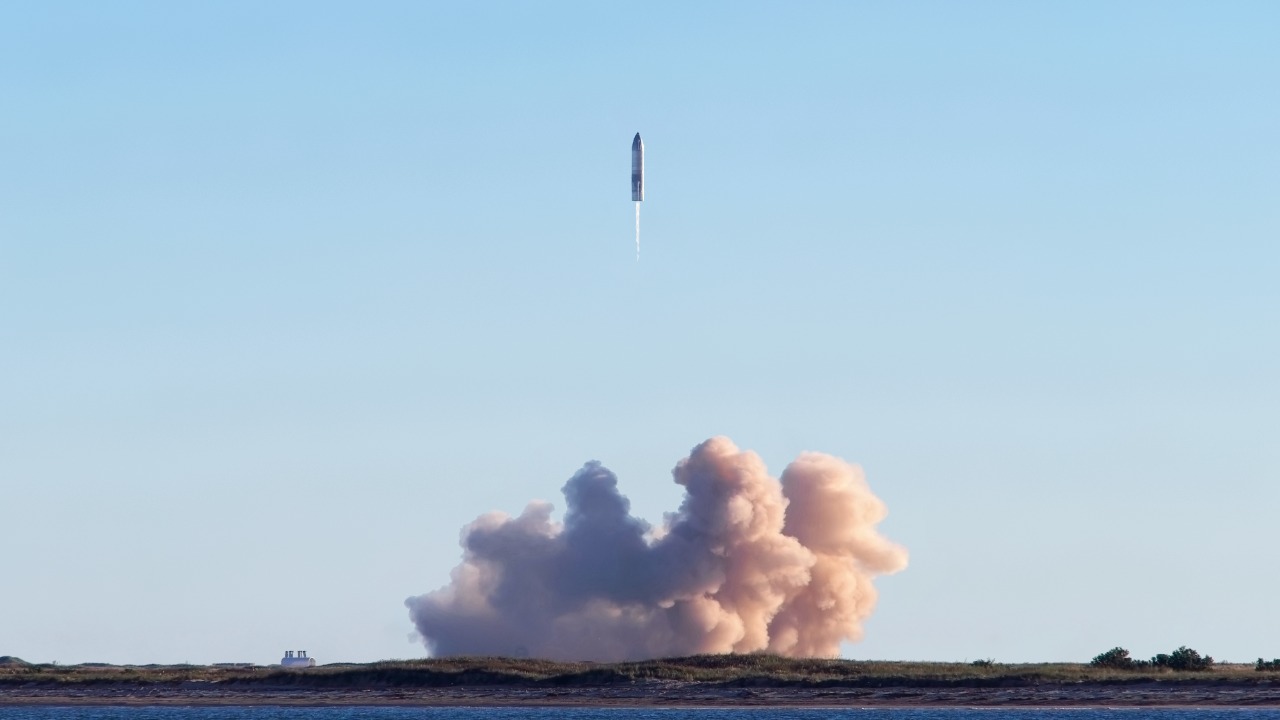
Starship is built as a recoverable spacecraft that plays a crucial role in making interplanetary travel more affordable. The design seeks to transform space travel by facilitating the movement of large numbers of people and cargo between Earth and Mars. Through an emphasis on reuse, SpaceX hopes to significantly lower the expenses involved in space travel, making it more attainable and practical for long-term missions.
The ability of Starship to facilitate extensive human movement and transport substantial cargo is vital for creating a long-term settlement on Mars. This vehicle is built to accommodate as many as 100 individuals, along with required provisions, fuel, and tools, which are necessary for setting up and sustaining a human presence on the Red Planet.
Technological Innovations of Starship
Reusability and Cost Efficiency
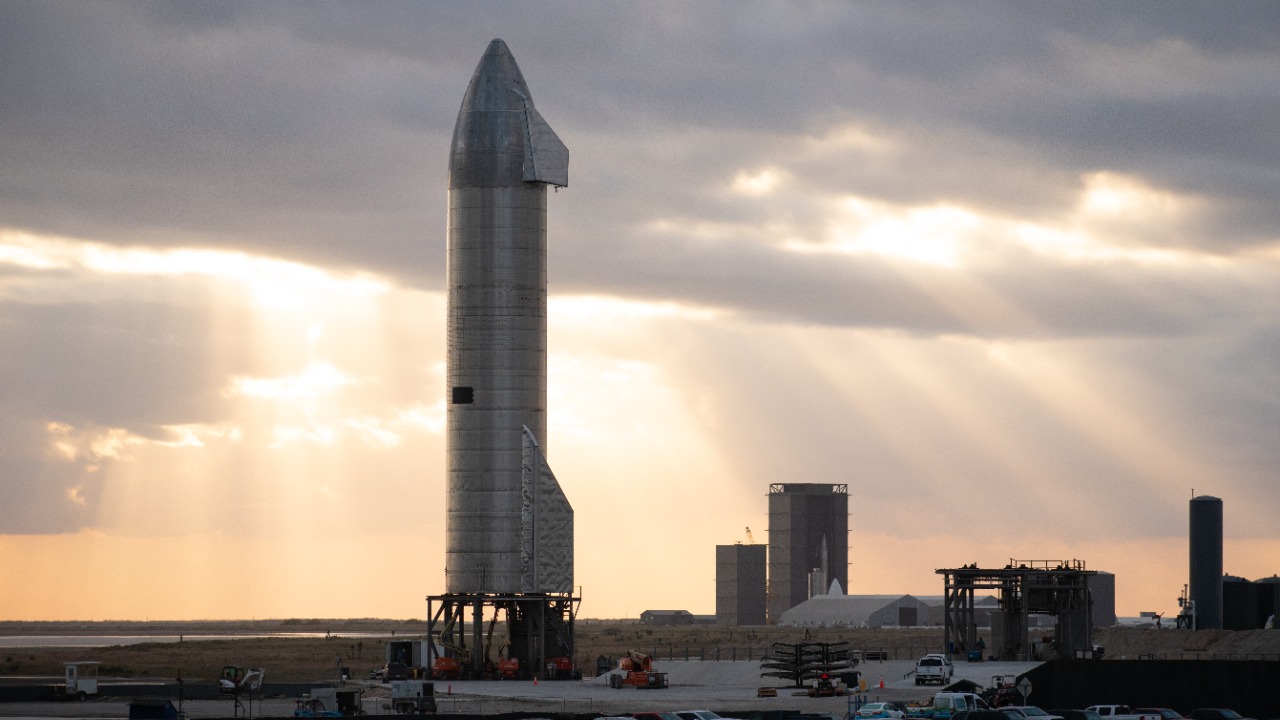
The completely reusable structure of Starship represents a major breakthrough in cutting down the expenses associated with space exploration. In contrast to conventional spacecraft that are thrown away following one mission, Starship can be launched again and again, greatly decreasing the cost per mission. This capability is made possible by cutting-edge technology and new materials, making Starship different from earlier spacecraft that had more restrictions.
In comparison, previous spacecraft like the Space Shuttle were only partially reusable and still faced significant maintenance and restoration expenses. Starship’s method of reusability plays a key role in making travel between planets financially feasible, advancing SpaceX’s mission toward establishing a self-sustaining colony on Mars.
Advanced Propulsion Systems
The creation of the Raptor engines marks a major advancement in propulsion systems. These engines are built to utilize liquid methane and liquid oxygen, which could possibly be generated on Mars, making it easier to refuel and support long-term mission viability. The exceptional efficiency and thrust-to-weight ratio of the Raptor engines allow Starship to carry out prolonged space travel and missions into deep space.
The propulsion systems of Starship are designed to enable extended and more efficient space travel, bringing the goal of traveling to Mars closer to reality. These engines offer the required power and adaptability for different mission types, playing a crucial role in addressing the difficulties posed by large interplanetary distances.
Challenges and Criticisms
Technical and Logistical Hurdles
Although it holds great potential, the journey toward colonizing Mars is filled with complex technical and logistical obstacles. Successfully landing on Mars demands accurate navigation and control, while supplying fuel and sustaining life on the planet bring further complications. The extended space travel required to get to Mars also introduces major technical issues, such as radiation exposure and mental impacts on crew members.
Tackling these issues demands creative approaches and thorough investigation. The difficulties involved in maintaining life on Mars, including developing a suitable atmosphere and cultivating crops, are areas of continuous exploration. Conquering these obstacles is crucial for bringing Musk’s dream of a human colony on Mars to life.
Skepticism and Ethical Concerns
Although the idea of colonizing Mars is motivating, it faces opposition. Critics challenge the practicality of creating a human habitat on Mars, pointing to the huge technological and monetary demands. Moral issues also emerge, with discussions about whether space exploration should take precedence over tackling urgent problems on our planet, like poverty and environmental changes.
The discussion involves the moral consequences of possibly modifying Mars’ environment and the duties of humans as caretakers of other planets. These issues emphasize the importance of thoughtful evaluation and fair conversation as the global community advances toward space exploration.
Influence on Space Exploration and Further Fields
Impact on International Space Programs
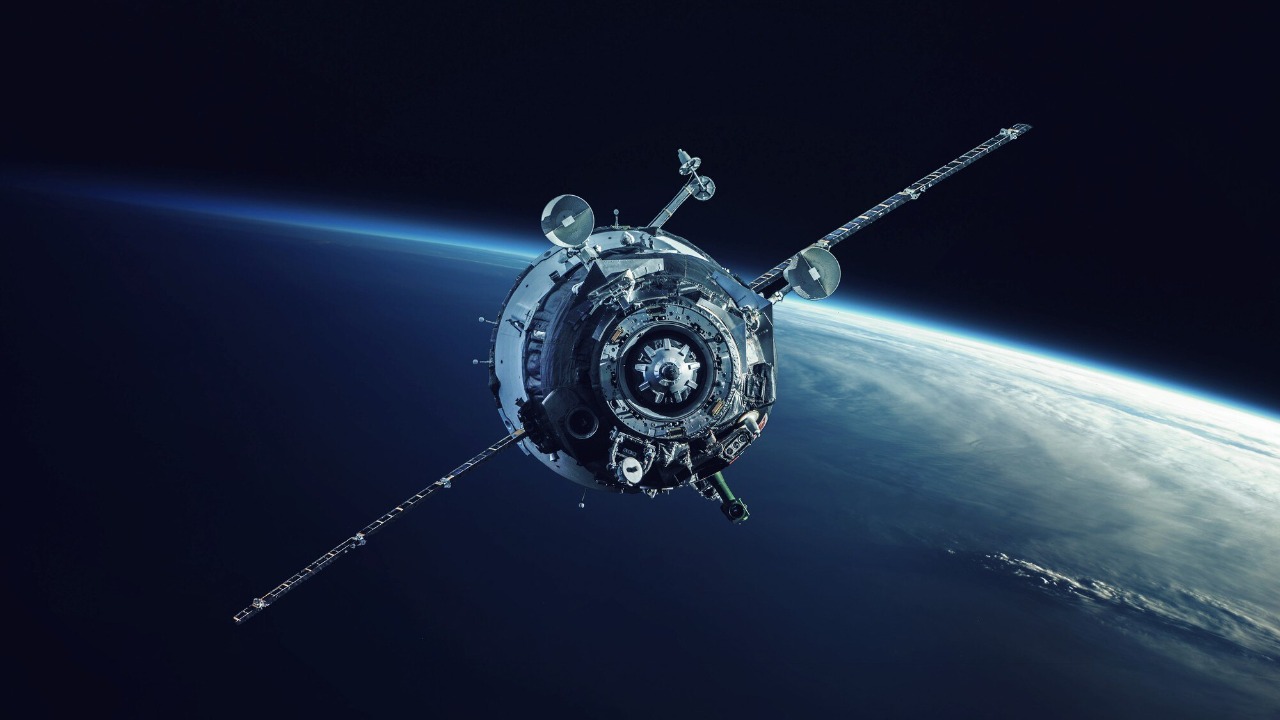
Starship is transforming the global scene of international space exploration. The progress of this project has generated both cooperation and rivalry among countries and companies involved in space, encouraging advancement and financial support within the industry. Nations such as China and Russia are increasing the pace of their own space initiatives, while alliances with NASA and other organizations demonstrate the cooperative possibilities of space exploration.
The impact of Starship goes beyond SpaceX, sparking a new age of space exploration where private enterprises are essential. This change is altering the space industry’s structure and promoting a more worldwide perspective on cosmic exploration.
Societal and Economic Implications
The significant economic advantages of a developing space economy are considerable. The growth of space tourism and the creation of technologies for missions to other planets may lead to the emergence of new sectors and employment, enhancing economic development. As humans venture further from Earth, the potential for extracting resources and conducting scientific studies could open up fresh prospects for progress.
The influence of human exploration beyond Earth is immense. It marks a fresh era in human history, encouraging future generations to aspire higher and strive farther. As we approach the possibility of becoming a species that inhabits multiple planets, the effects on society are significant, prompting us to rethink our role in the cosmos.
For further information on the reasons and difficulties involved in settling Mars, you can exploreThe future of human space travel as envisioned by SpaceX. Additionally, the SpaceX Mars colonization programprovides a detailed look at the strategies and advancements made toward this significant objective. To grasp the wider effects of this initiative,learn more about the renewed fascination with Mars exploration.