Understanding the Challenges of Cast-Iron Cookware
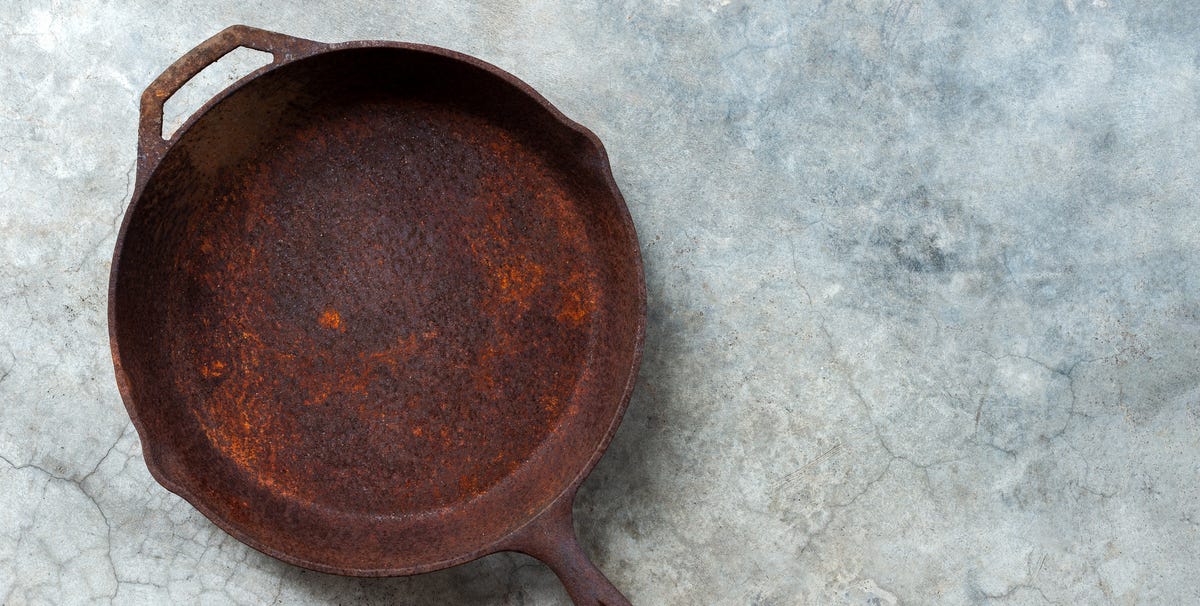
Cast iron is a versatile and durable material that has been used in kitchens for generations. However, its natural porosity makes it susceptible to rust if not properly maintained. While rust itself isn’t inherently dangerous, it can significantly affect the performance of your cookware. The presence of rust can lead to an unpleasant metallic taste and make the pan harder to use, especially when cooking delicate foods like pancakes or searing a steak.
Many home cooks find the care and maintenance of cast-iron pans confusing, particularly when it comes to issues like rust. This confusion often stems from conflicting advice found online, making it difficult to know what steps are truly necessary. Questions such as whether it’s safe to use soap and water, how to season the pan, and what to do with a rusty surface are common among users.
The Problem with Rust on Cast-Iron Pans
Rust typically forms when the protective layer of seasoning on a cast-iron pan is compromised. Seasoning is a thin layer of polymerized oil that helps protect the metal and provides a nonstick surface. Without this layer, the pan becomes vulnerable to moisture and oxygen, which can cause rust to form.
According to the United States Department of Agriculture, rust is not considered food-safe and should be avoided. However, a lightly rusted pan is unlikely to pose a significant health risk. Small particles of rust may end up in your food, but the quantities are usually negligible. That said, cooking on a rusted surface is still not recommended due to the potential for an off-putting metallic flavor and the difficulty of cleaning the pan effectively.
How to Fix a Rusty Cast-Iron Pan
If your cast-iron pan has developed rust, don’t throw it away just yet. In most cases, it’s possible to restore the pan to its original condition with some effort and the right tools. Here’s a step-by-step guide:
-
Scrub Off the Rust
Begin by using dish soap and steel wool to thoroughly scrub the entire pan. Focus on removing all visible rust, including the top, bottom, sides, and any crevices. Rinse the pan with warm water and repeat the process if needed. -
Dry Completely
After scrubbing, wipe the pan dry with paper towels. Then place it on the stove over medium heat for about five minutes to ensure all remaining moisture evaporates. -
Reseason the Pan
Once the pan is completely dry, it’s time to reseason it. Add a small amount of high-heat cooking oil, such as vegetable or canola oil, to the pan. Use a clean paper towel to evenly coat the interior and exterior surfaces. Place the skillet upside down on the oven’s bottom rack and bake at 400°F for one hour. Afterward, turn off the oven and allow the pan to cool before handling.
For a stronger seasoning layer, you can repeat the oil-and-bake process a few more times. If the pan only needs a light touch-up, you can heat the oiled pan on low on the stove until it warms through.
Preventing Future Rust
To avoid future rust buildup, always dry your cast-iron pan completely after washing. Additionally, it’s a good idea to reseason the pan after each use to maintain its protective layer. Regular maintenance will help ensure your cast-iron cookware remains in excellent condition for years to come.