
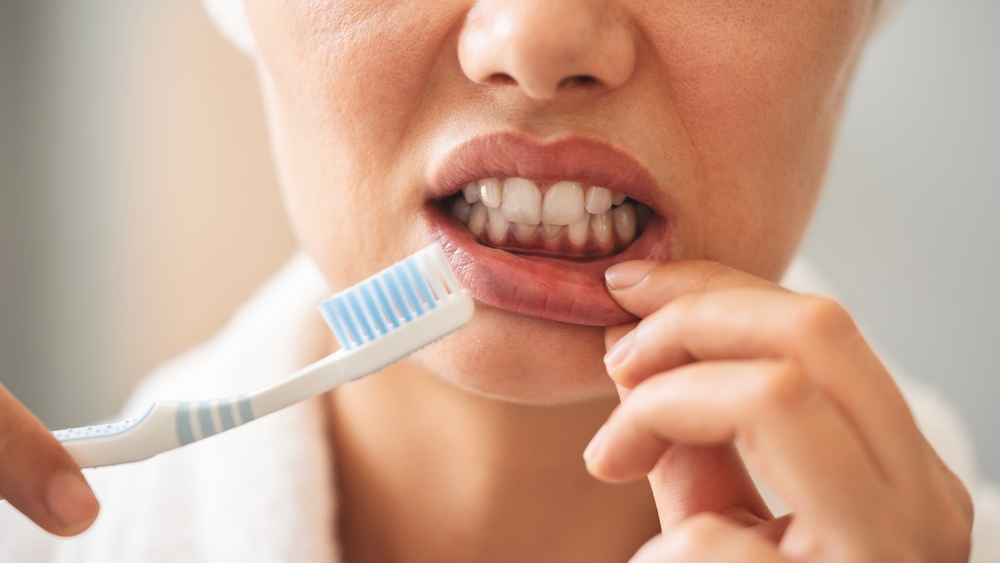
Brushing your teeth may appear to be one of the easiest routines to perform. Grab a toothbrush, apply some toothpaste, brush for a few minutes, and then rinse. Many individuals believe they have been performing this task correctly since they were young, but the reality is that several typical methods can actually do more damage than good. Incorrect brushing techniques can erode enamel, cause gum irritation, and leave plaque that results in cavities. Knowing the proper way to brush can help safeguard your teeth throughout your life.
Using the Wrong Toothbrush
The kind of toothbrush you select has a greater impact than you might realize. Toothbrushes with stiff bristles can potentially harm your enamel and cause your gums to recede over time. A toothbrush with soft bristles is mild enough to clean efficiently without wearing down the protective layers of your teeth. The size of the brush head is also significant. A smaller head provides better access to hard-to-reach areas in the back of your mouth. Electric toothbrushes tend to be more efficient than manual ones since they provide steady pressure and movement. Picking the appropriate brush is the initial step in safeguarding your teeth.
Brushing Too Hard
Some individuals believe that applying more force results in cleaner teeth. However, too much pressure can wear down the enamel and lead to gum pulling back. After enamel is damaged, it cannot regenerate. Using soft movements is better for eliminating plaque than vigorous scrubbing. Consider brushing as a polishing action instead of a scrubbing one. Holding the toothbrush with just a few fingers can assist in minimizing the pressure applied.
Ignoring the Gums Area
Plaque accumulates at the point where teeth meet the gums, but many individuals overlook this area. Positioning the brush at a 45-degree angle against the gums allows the bristles to access beneath the gum line. Using soft circular movements helps remove bacteria without causing harm to the delicate tissues. Neglecting the gum line may result in swelling and ultimately gum disease. Concentrating on this region significantly improves the effectiveness of your brushing.
Brushing Too Fast
Hurrying through the process is a common error. A brief 30-second brushing session isn’t sufficient for proper cleaning. Dental professionals advise brushing for a minimum of two full minutes. Splitting the mouth into four areas and dedicating 30 seconds to each can help achieve balanced cleaning. Using a timer or an electric toothbrush that has a built-in timer can simplify maintaining this routine.
Only Brushing the Front
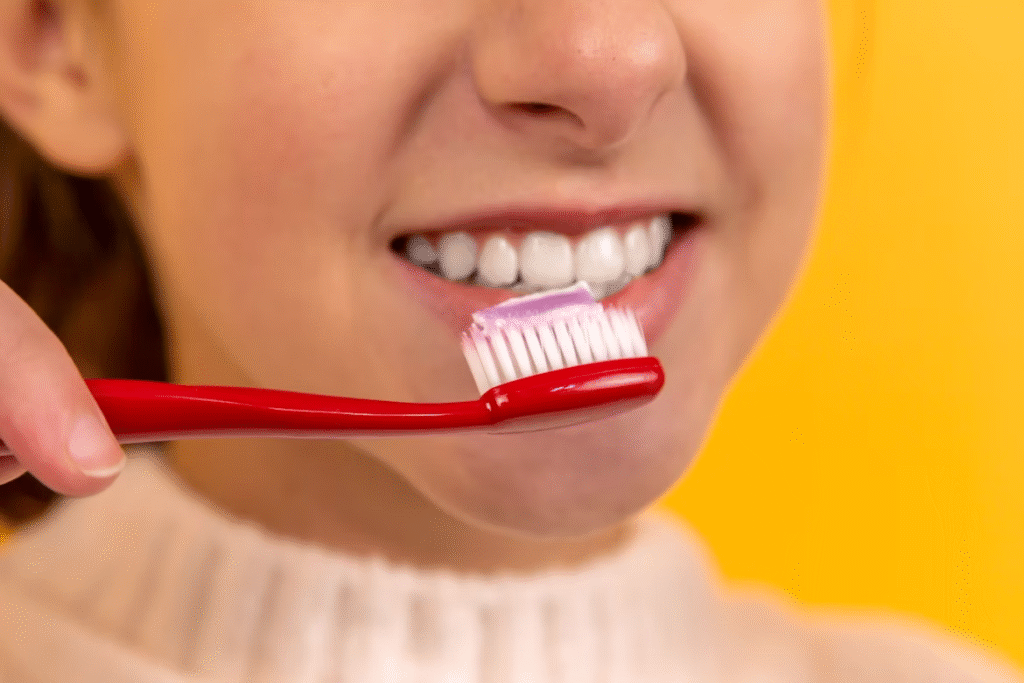
It’s simple to concentrate on the teeth visible when you smile, but plaque builds up in all areas. The inner sides of teeth, particularly behind the front ones, are frequently overlooked. Food debris can also remain on the biting surfaces of molars. Ignoring these spots results in incomplete cleaning and eventual tooth decay. A thorough brushing technique ensures all areas are cleaned, including those that are more difficult to access.
Using Too Much Toothpaste
More foam does not necessarily lead to cleaner teeth. For adults, a small amount of fluoride toothpaste, about the size of a pea, is sufficient. Children require even less, roughly the size of a grain of rice. Applying too much toothpaste results in more foam, which may cause individuals to spit and rinse before the fluoride has had time to work. This decreases the amount of fluoride that remains on the teeth to help strengthen the enamel. In fact, using less paste can provide better protection.
Brushing Right After Eating
It might seem instinctive to brush your teeth right after eating, but this can harm the enamel. Acidic foods and beverages make the enamel softer. Brushing immediately can push these acids deeper into the tooth, leading to more damage. Waiting for at least 30 minutes gives saliva time to balance the acids and strengthen the enamel. Sipping water after meals helps remove food debris and makes brushing safer later.
Skipping Tongue Cleaning
Your tongue can host bacteria that lead to bad breath and impact general oral health. Cleaning your tongue through brushing or scraping eliminates debris and helps maintain a fresh mouth. Some individuals focus only on their teeth, yet the tongue is crucial for proper oral care. Incorporating tongue cleaning into your daily routine requires just a few additional seconds but offers significant advantages.
Rinsing Excessively Following Brushing
Rinsing with a lot of water immediately after brushing can wash away the protective fluoride layer from toothpaste. Just a small amount of water to spit out the excess foam is sufficient. Some individuals choose not to rinse at all, allowing the fluoride to remain on their teeth for a longer period. If you use mouthwash, it’s advisable to wait a short time after brushing. Prolonging the contact of fluoride with the enamel can help reinforce it over time.
Not Changing the Toothbrush Frequently Enough
Toothbrushes tend to degrade quicker than many individuals recognize. After approximately three months, the bristles begin to curve and become less efficient. A used toothbrush struggles to access tight areas and can potentially hold bacteria. Changing your toothbrush every three months, or earlier if the bristles become frayed, leads to improved cleaning. New bristles significantly impact the protection of your teeth.
The Proper Method for Brushing
The proper technique is straightforward but demands regular practice. Keep your brush angled at 45 degrees relative to the gumline, apply light circular movements, and ensure all areas are reached. Dedicate two minutes to this routine, giving equal attention to the front, back, and biting surfaces. Choose a toothbrush with soft bristles and a compact head, along with a small amount of toothpaste. Don’t forget to clean your tongue and limit excessive rinsing after. By following these steps, you provide your teeth with the genuine care they require.
The Essentials of Tooth Brushing
Brushing your teeth is a daily routine, yet common errors can reduce its effectiveness. Minor adjustments such as using the correct toothbrush, changing your brushing angle, and spending enough time on each session can significantly enhance your dental health. Positive habits help prevent cavities and gum issues, while also preserving your smile for years to come. If you’ve been brushing improperly, it’s never too late to refine your method.
Note: This article was developed using AI support and reviewed by a person to ensure correctness and readability.
The article You’ve Likely Been Brushing Your Teeth Incorrectly All Your Life was originally posted onThe Amazing Times.