In a high-stakes move, President Donald Trump is set to meet Russian President Vladimir Putin in Anchorage, Alaska, on Friday, August 15, 2025, to discuss the ongoing war in Ukraine. Described by the White House as a “listening exercise,” the summit aims to gauge Putin’s intentions and explore paths to end the conflict that has ravaged Ukraine since Russia’s 2022 invasion. However, with Ukrainian President Volodymyr Zelenskyy absent from the talks, Kyiv and its European allies are mobilizing to ensure their voices are heard, fearing a deal that could sideline Ukraine’s interests. The meeting, a pivotal moment in Trump’s second term, has ignited a firestorm of debate about its potential to reshape global alliances and the war’s trajectory.
A Summit Born of Urgency
The Anchorage summit follows months of Trump’s diplomatic push to broker peace in Ukraine, a promise central to his 2024 campaign. White House Press Secretary Karoline Leavitt framed the meeting as a chance for Trump to gain “a more firm and better understanding” of how to end the war, emphasizing its one-on-one nature. “Only one party involved in this war is going to be present,” Leavitt told reporters on August 12, 2025, signaling that the focus will be on Putin’s perspective. The choice of Alaska, a neutral yet symbolically significant U.S. location, underscores the meeting’s gravity, with preparations confirmed by a Tuesday phone call between Secretary of State Marco Rubio and Russian Foreign Minister Sergei Lavrov.
Trump’s approach has evolved since his earlier calls for a swift resolution. Initially, he suggested a 24-hour fix, later extending to six months, and issued ultimatums for Putin to agree to a ceasefire or face sanctions. His July 29 deadline for a ceasefire passed without Russian compliance, prompting a shift to direct talks. “It’s gonna be up to him,” Trump said of Putin on August 7, expressing disappointment but openness to dialogue. The summit, initially floated as a trilateral meeting with Zelenskyy, now excludes Ukraine, raising concerns about a bilateral deal that could favor Moscow.
Kyiv’s Exclusion Sparks Alarm
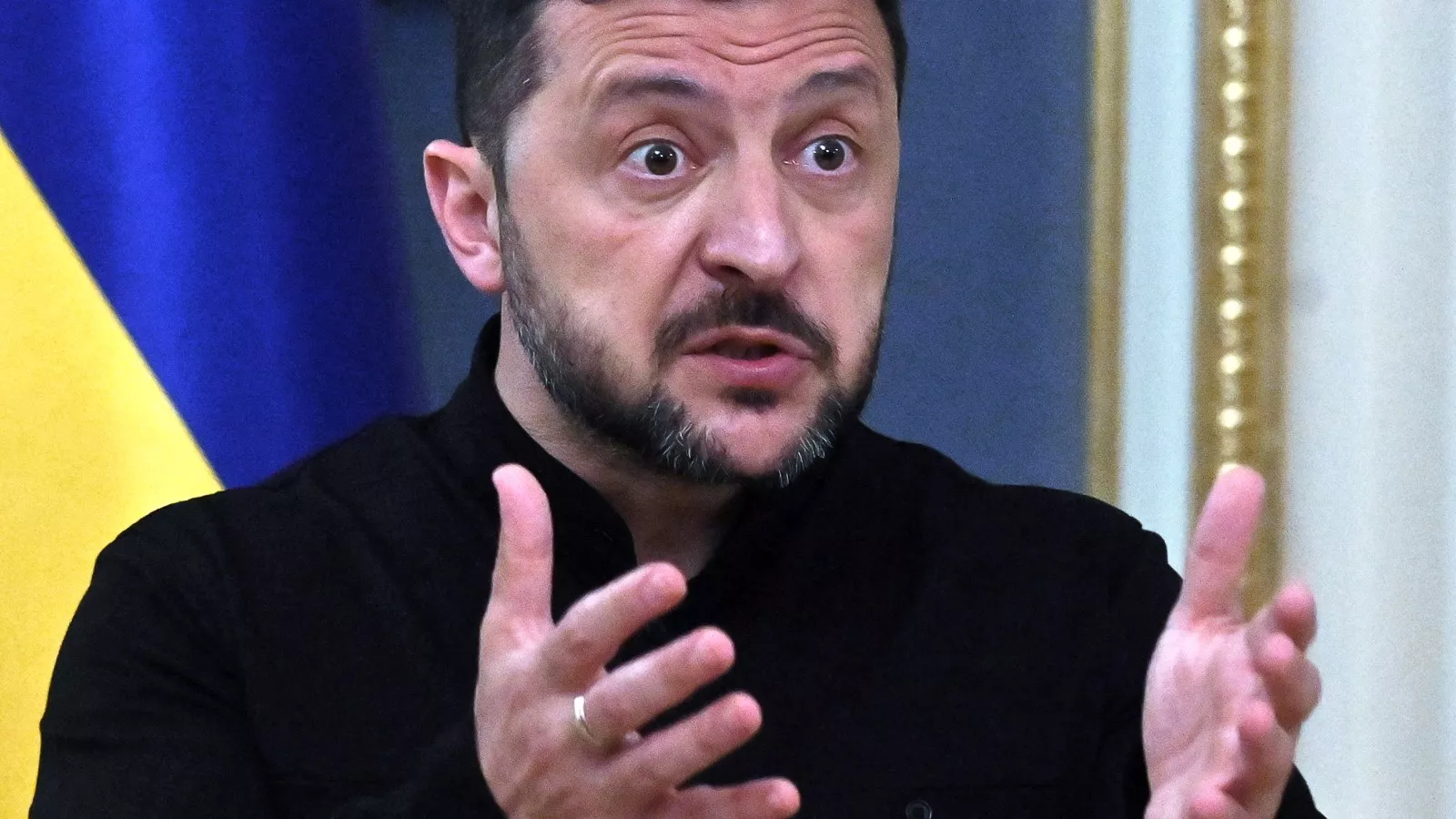
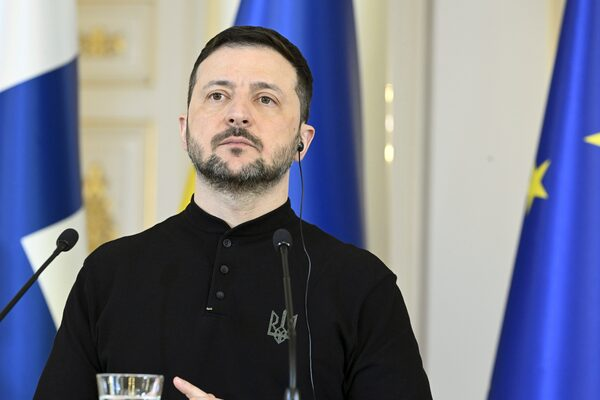
Zelenskyy, absent from Anchorage, is not standing idle. On August 13, he traveled to Berlin to meet German Chancellor Friedrich Merz and other European leaders, rallying support for Ukraine’s role in any peace process. In a Telegram post, Zelenskyy stressed the need for “coordinated efforts” with the U.S. and Europe to pressure Russia for an “honest peace.” He’s also set to join a virtual call with Trump and Vice President JD Vance, a last-ditch effort to influence the talks. “Ukraine is not afraid of meetings,” Zelenskyy wrote, urging Russia to match that bravery.
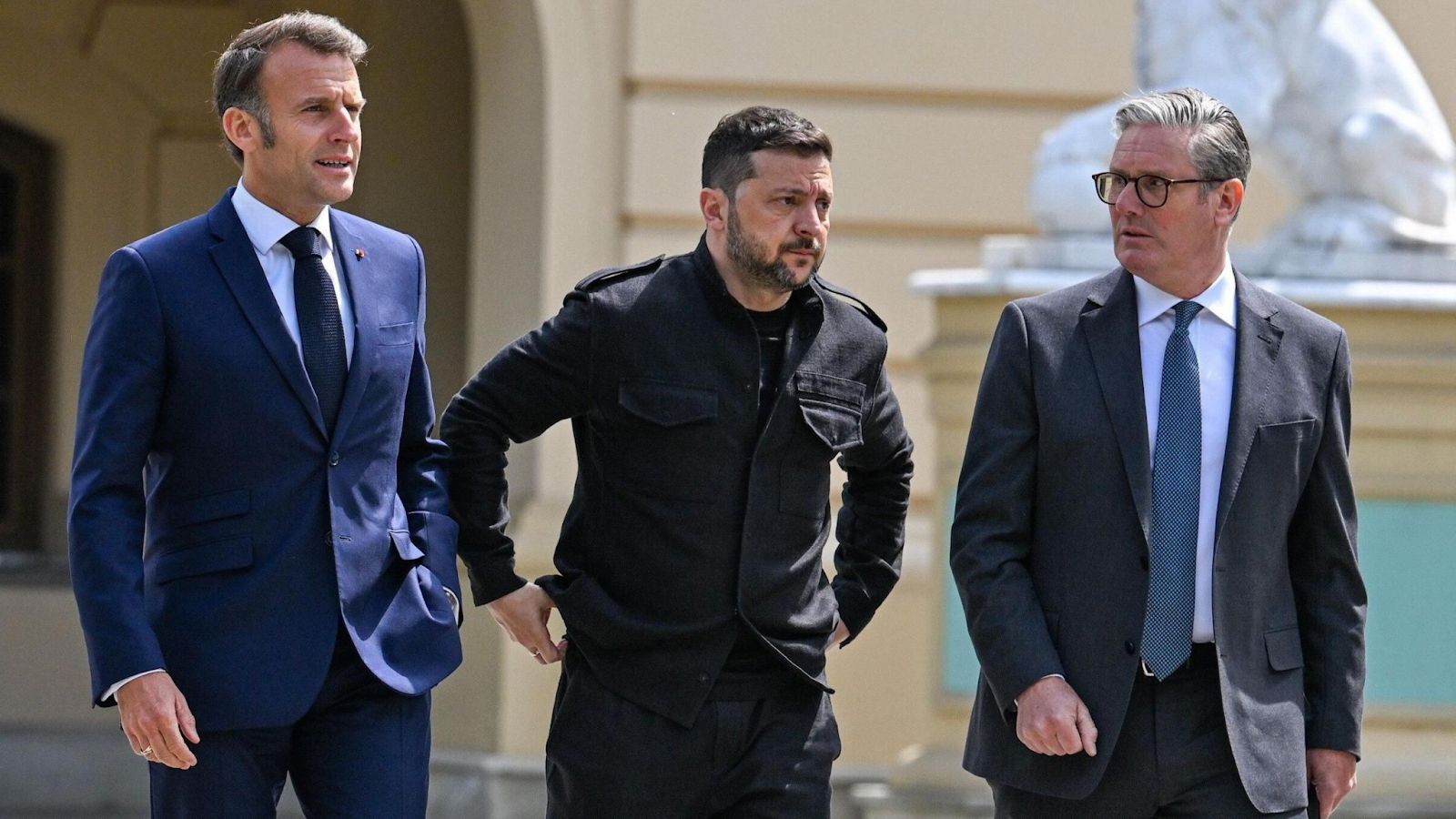
European allies share Kyiv’s unease. Leaders like France’s Emmanuel Macron and the UK’s Keir Starmer have insisted that Ukraine must be central to negotiations, warning that excluding Zelenskyy risks a “half-baked compromise.” Analysts, like Jonathan Eyal of the Royal United Services Institute, fear Trump’s eagerness for a deal could lead to concessions that allow Russia to retain occupied Ukrainian territory—about 20% of the country, including parts of Donetsk, Luhansk, Zaporizhzhia, and Kherson. “The danger for Ukraine is actually quite grave,” Eyal said, noting alarm in European capitals.
A Diplomatic Win for Putin?
For Putin, the summit is already a victory. Once an international pariah due to a 2023 International Criminal Court warrant for war crimes, he gains legitimacy by sitting with Trump. The meeting, following a series of phone calls described as “friendly” by U.S. officials, could normalize Russia’s global standing. Critics argue this plays into Putin’s hands, allowing him to stall while consolidating battlefield gains. “A meeting with Trump—no matter the outcome—is a big diplomatic victory for Putin,” said Gabriella Ramirez of Hope for Ukraine, warning that it could “stroke his ego” and embolden further aggression.
Trump’s leverage, however, is not insignificant. He’s threatened tariffs and sanctions on Russian oil importers like China and India, a move that could strain Moscow’s economy. Yet, Russia’s ability to skirt sanctions, coupled with Putin’s unchanged war goals—annexation, Ukraine’s demilitarization, and NATO exclusion—suggests he’s unlikely to yield easily. “Russia wants to avoid direct confrontation with Trump,” said analyst Oleg Ignatov, but “they’re not ready to make serious concessions.”
Ukraine’s Fight Continues
As the summit looms, the war rages on. Overnight into August 13, Russia launched 49 drones and two North Korean-made ballistic missiles at Ukraine, with 32 drones and both missiles downed, per Ukraine’s air force. Russia, in turn, reported intercepting 63 Ukrainian drones targeting its Bryansk region. The violence underscores the stakes in Anchorage, where Trump’s push for peace could either de-escalate or embolden Putin’s ambitions.
Zelenskyy’s absence from the talks stems from a strained relationship with Trump, highlighted by a February 2025 Oval Office shouting match where Trump accused him of obstructing peace. “You see the hatred he’s got for Putin? It’s very tough for me to make a deal,” Trump said then. Zelenskyy, meanwhile, has called Putin a “terrorist,” urging Trump to take a hard line. The rift complicates negotiations, with Kyiv insisting on security guarantees and no territorial concessions.
A High-Stakes Gamble
The Anchorage summit is a gamble for Trump, whose approval ratings on the Ukraine issue lag at 64% among his base, per a recent poll. A successful deal could bolster his image as a peacemaker, potentially eyeing a Nobel Peace Prize nod by January 2026. But a misstep risks alienating allies and emboldening Putin. “If Trump stands up to Putin and demands a just peace, it could change the narrative,” said Senator Chris Coons. “But a weak deal would be the worst of both worlds.”
For Ukraine, the stakes are existential. Zelenskyy’s push for European and U.S. unity reflects fears of being sidelined in a deal that sacrifices territory for peace. As Trump prepares to listen to Putin, the world watches, wondering if this “exercise” will bring resolution or deepen the conflict’s scars.